

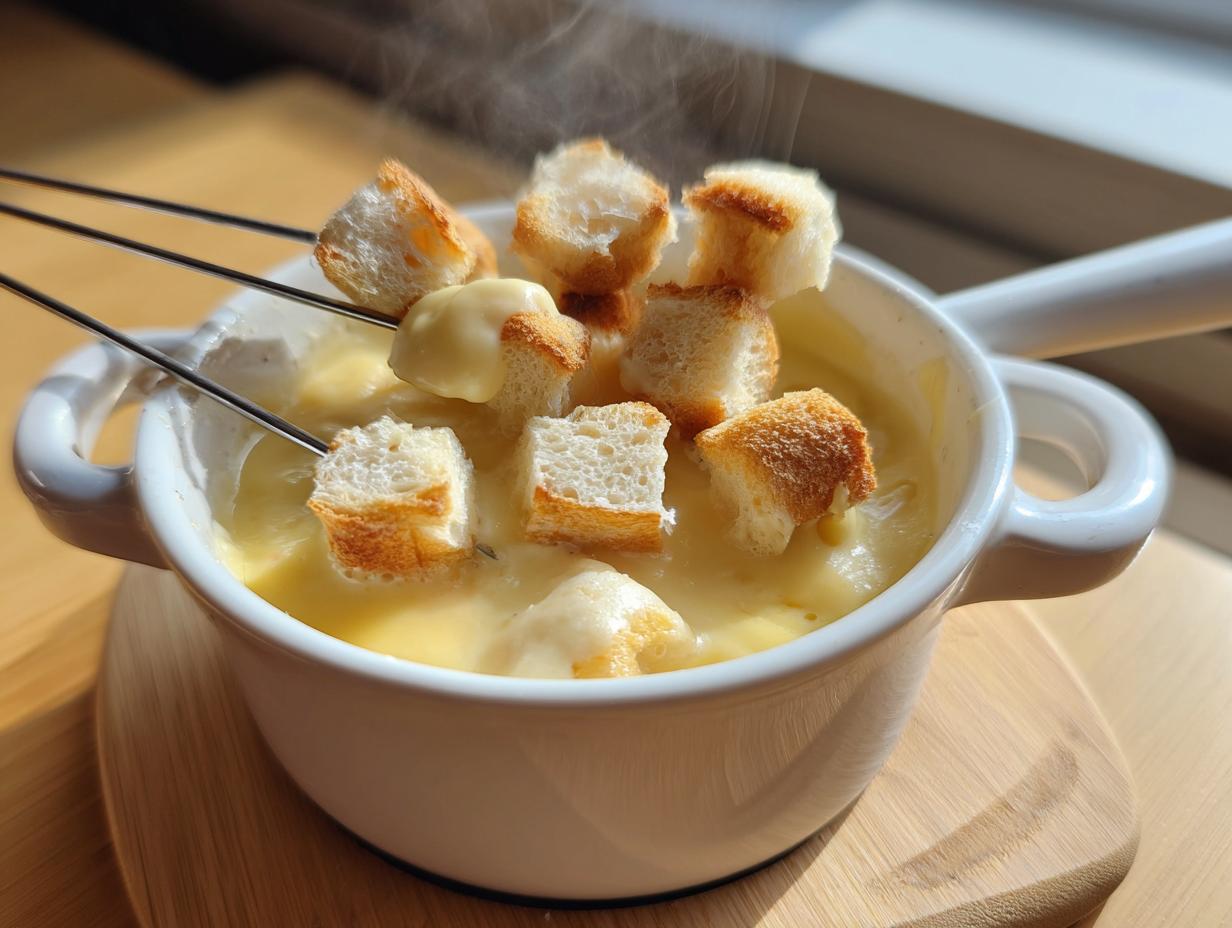
When the air gets chilly and you need a reason to get everyone huddled close—maybe for a big night like New Year’s Eve—nothing beats digging into a communal pot. Forget fancy sit-down meals; we’re talking about real connection! And that connection starts with the perfect, glorious, stringy experience of good, hot Fondue. I remember hosting a party where the cheese seized up, and honestly, it ruined the whole vibe. Never again! This recipe is my secret weapon to guarantee a perfectly smooth, luscious cheese fondue every single time. Trust me, watching friends gather around, dipping crusty bread, is pure, cozy joy.
- Why This Smooth Cheese Fondue Recipe is Perfect for Your Gathering
- Essential Ingredients for Authentic Swiss Fondue
- Step-by-Step Guide to Making a Luscious Cheese Fondue
- Tips for Maintaining Perfect Fondue Heat and Consistency
- What to Serve with Your Cheese Fondue Recipe
- Equipment Needed for a Great Fondue Experience
- Storage and Reheating Your Leftover Fondue
- Frequently Asked Questions About Making Cheese Fondue
- Estimated Nutritional Information for This Fondue
- Share Your Fondue Experience
Why This Smooth Cheese Fondue Recipe is Perfect for Your Gathering
I know the fear—that moment when you stir your cheese and it turns into a grainy, oily mess. Ugh, no thank you! That is why I developed this method. This recipe guarantees that rich, velvety mouthfeel you dream about when you think of a classic Swiss melted cheese dip. You won’t have to apologize to your guests for this texture, I promise.
- Keeps that beautiful, fluid emulsion without separating, even if it sits on the warmer for a while.
- Uses acidity from wine and lemon juice to perfectly cut the richness of the Gruyère.
- It’s honestly just fun! Who doesn’t love to sit around a bubbling pot eating bread?
Achieving the Ultimate Creamy Fondue Texture
The absolute secret weapon here is tossing the shredded cheese with the cornstarch *before* it ever sees the wine. It sounds like such a tiny extra step, but that little bit of starch coats every piece of cheese. It acts like a delicious little security blanket, preventing the proteins from clumping up. It’s the easiest insurance policy you’ll ever take out in the kitchen!
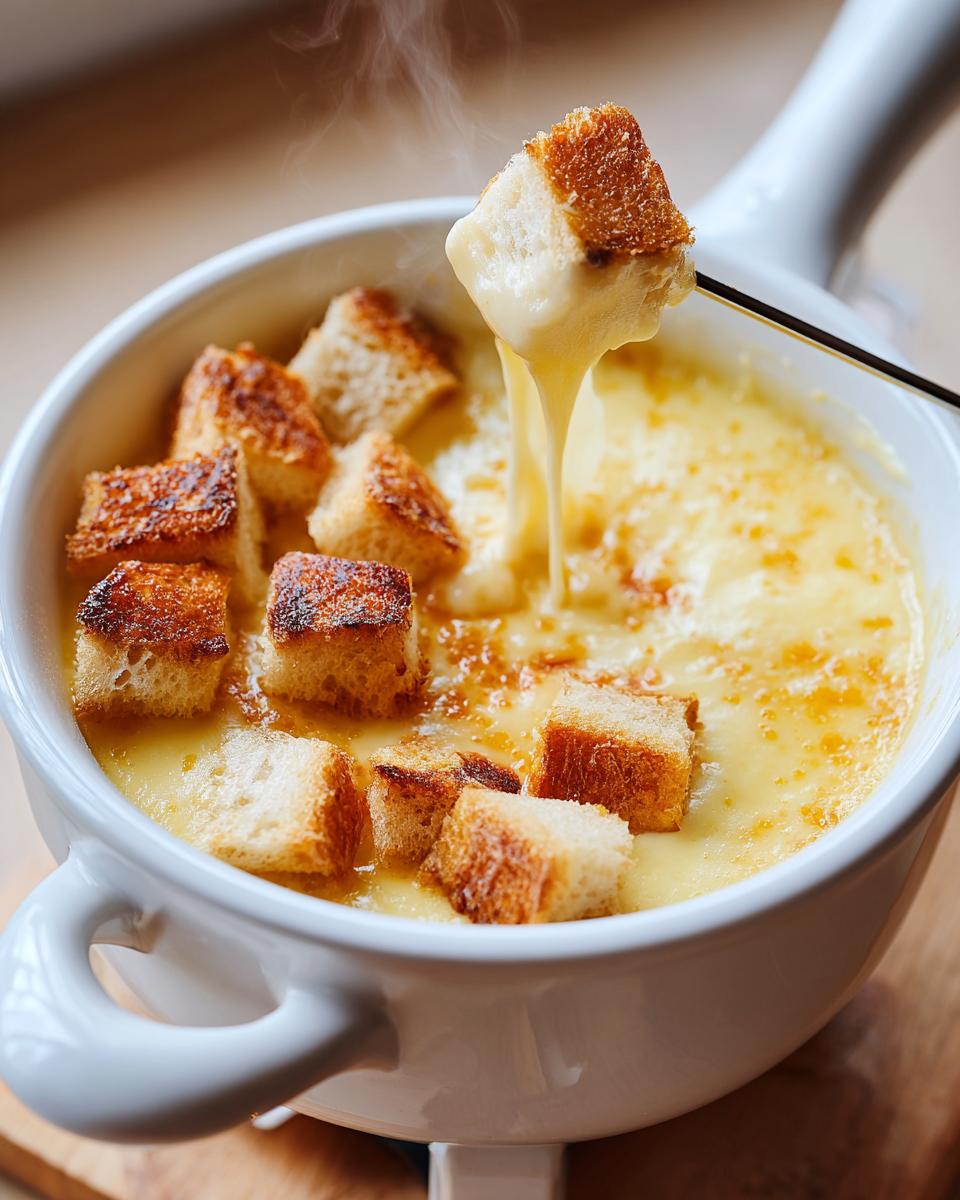
Ideal Fondue for New Year’s Eve Fondue Celebrations
If you are hosting guests, whether it’s a casual Friday night or a fun New Year’s Eve fondue countdown, this makes the centerpiece. It’s interactive, it pairs perfectly with bubbly, and it forces everyone to slow down and actually talk to each other. It’s the definition of convivial dining.
Essential Ingredients for Authentic Swiss Fondue
You can’t fake the deep, nutty flavor of real Swiss cheese, and honestly, trying to skip quality here is how you guarantee a sad, oily dip. This isn’t the time for the pre-shredded bags, folks. I need you to trust me on this one simple step: grate your own cheese! It makes all the difference in how smoothly this melts together into that beautiful, rich base.
Cheese Selection and Preparation for Your Fondue
For this classic recipe, we rely on the dynamic duo: one pound of nutty Gruyère and one pound of slightly milder Emmental. If you buy them in a block, they melt beautifully. When you grate them fresh—using the large holes on your box grater—the coating of cornstarch adheres perfectly. That pre-shredded stuff is often dusted with anti-caking starches that can actually make your fondue gritty instead of gloriously smooth. Don’t skimp here; the cheese is the star!
Liquids and Seasonings for Perfect Fondue Balance
We need acid to balance that fat, which is why the dry white wine and a splash of lemon juice are non-negotiable. Aim for something crisp, like a Sauvignon Blanc. My secret spice combination includes a little ground nutmeg for warmth—it just sings with Swiss cheese. And of course, if you want that classic, deep flavor kick, stir in a tablespoon of Kirsch right at the end. It warms up the whole scene!
Step-by-Step Guide to Making a Luscious Cheese Fondue
Okay, here is where the magic happens, and trust me, timing is everything! If you rush this, you’ll end up with that hard sludge nobody wants. We need to be patient and work low and slow. Think of this as a romantic dance between the wine and the cheese. Don’t try to sneak steps or blast the heat; the texture depends on respecting the ingredients.
Preparing the Base for Your Fondue
First things first, grab that garlic clove. Take the cut side and rub it all over the inside of your fondue pot or heavy saucepan. You just want a little whisper of garlic flavor, not an overpowering punch, so discard the rest of the clove immediately after rubbing. Next, pour in your dry white wine and the lemon juice. Set the heat to medium-low. You are looking for those tiny little bubbles forming around the edges—that means it’s warm enough to melt the starch and cheese, but I’m warning you now: **Do not let this wine bubble and boil!** If it boils, the cheese will seize up before it even gets to the pot.
Incorporating Cheese for a Smooth Fondue
This is the most important part for achieving that perfect, smooth cheese fondue consistency. Once your wine base is just warm and shimmering, start adding your cheese and cornstarch mix, but only a small handful at a time. You must stir constantly until that handful is completely melted smooth before adding the next bit. I find a slow, deliberate figure-eight stirring motion works best. It keeps everything moving and helps emulsify the fats beautifully. Keep that heat the absolute lowest it can go. This process takes patience, but when that last shred melts and you have zero lumps? You’ll cheer, I certainly do every time!
Tips for Maintaining Perfect Fondue Heat and Consistency
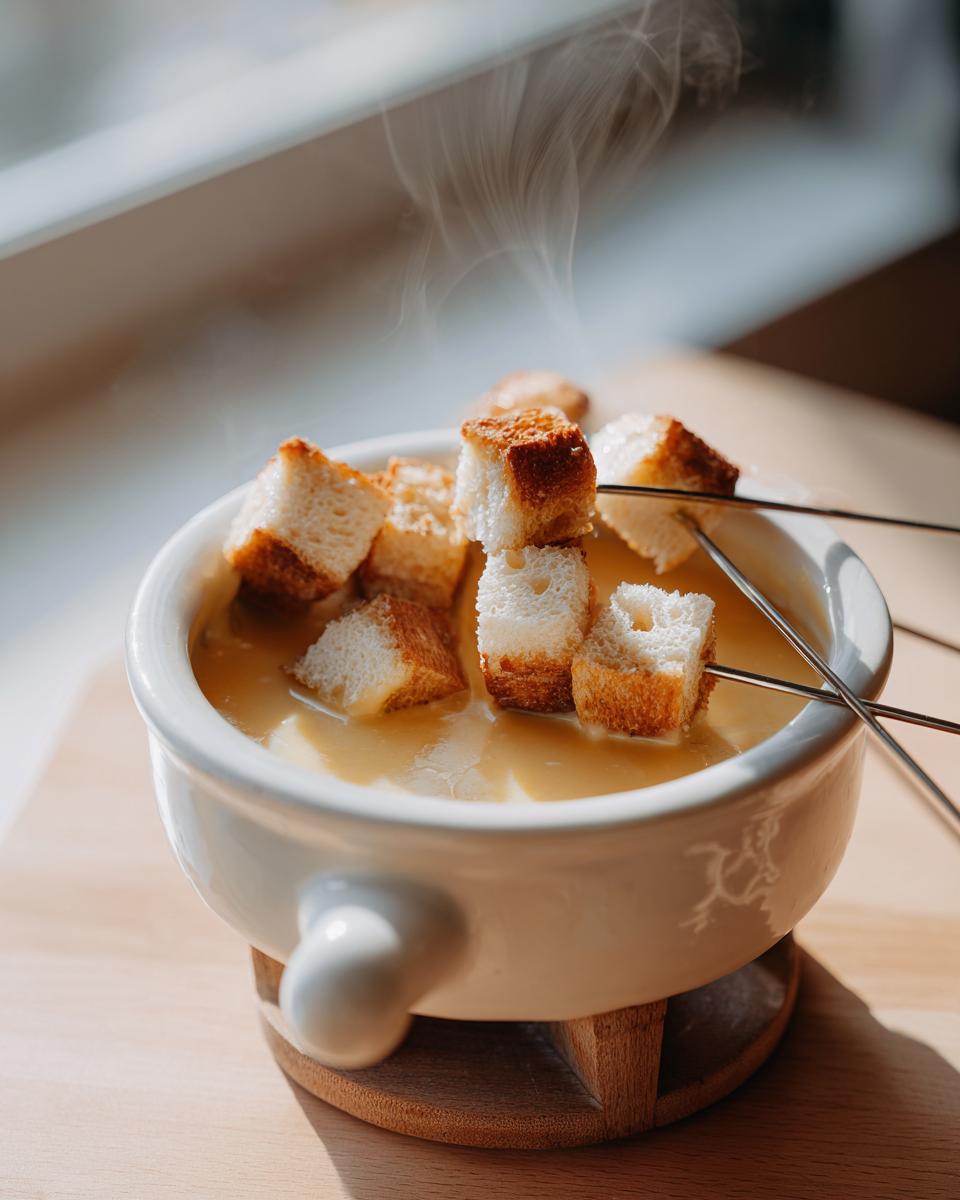
So, you’ve got the perfect, glistening pot of melted goodness, and the party is in full swing! Now comes the management phase. The entire trick to a successful Fondue experience is keeping that heat incredibly low once the cheese moves over to the little burner ring at the table. If you let it sit too long or the flame gets too high, the texture will tighten up on you before anyone has had enough dippers!
If you notice the dip gets too thick—maybe Uncle Bob tried to reheat his forkful a few too many times—don’t panic and don’t add cold liquid! Just stir in a tiny splash of warm white wine. I mean just a spoonful at a time! This gently loosens up those cheese proteins without shocking the emulsion. This little maintenance trick has saved my New Year’s Eve gatherings more times than I can count and keeps that velvet texture going strong until the very last crouton is dipped.
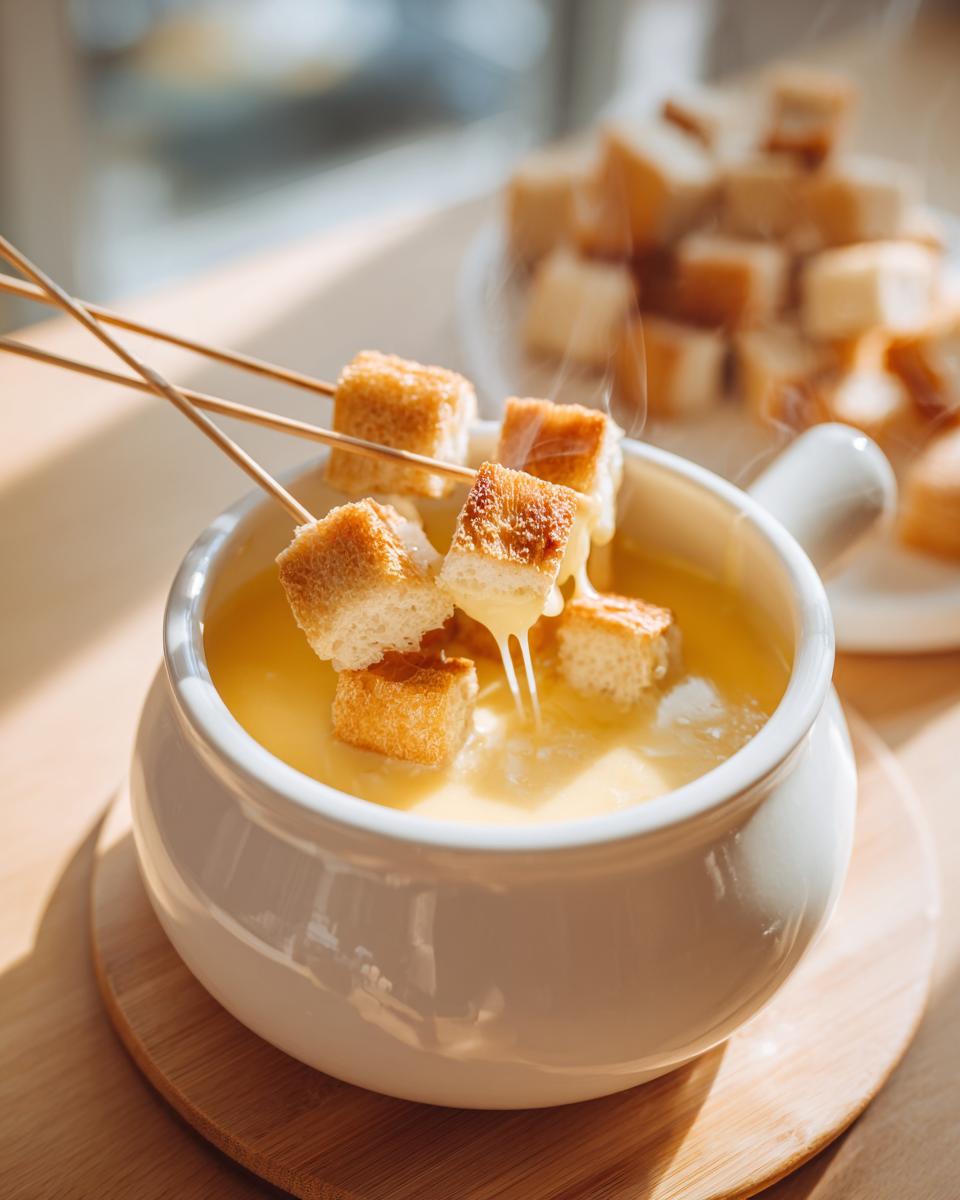
Remember, low and slow is the mantra. We want warm, not hot! This ensures everyone can relax and enjoy the communal spirit.
What to Serve with Your Cheese Fondue Recipe
Half the fun of making a gorgeous melted cheese dip like this is deciding what vehicles you’re going to use to get that cheesy goodness into your mouth! You can’t just serve the pot alone, right? Preparation for the dippers should almost be as serious as grating the cheese itself. The key here is structure—you need things that can handle the weight and heat of that gorgeous, rich fondue without immediately dissolving into a soggy mess.
My number one, can’t-live-without dipper is crusty bread. You absolutely need something sturdy! Day-old baguette cubes are my favorite because they are firm enough to scoop up a generous amount of cheese, but they still toast up nicely when dipped. Cut everything into about one-inch cubes, and if you have time, toast them lightly in the oven first—it gives them extra backbone!
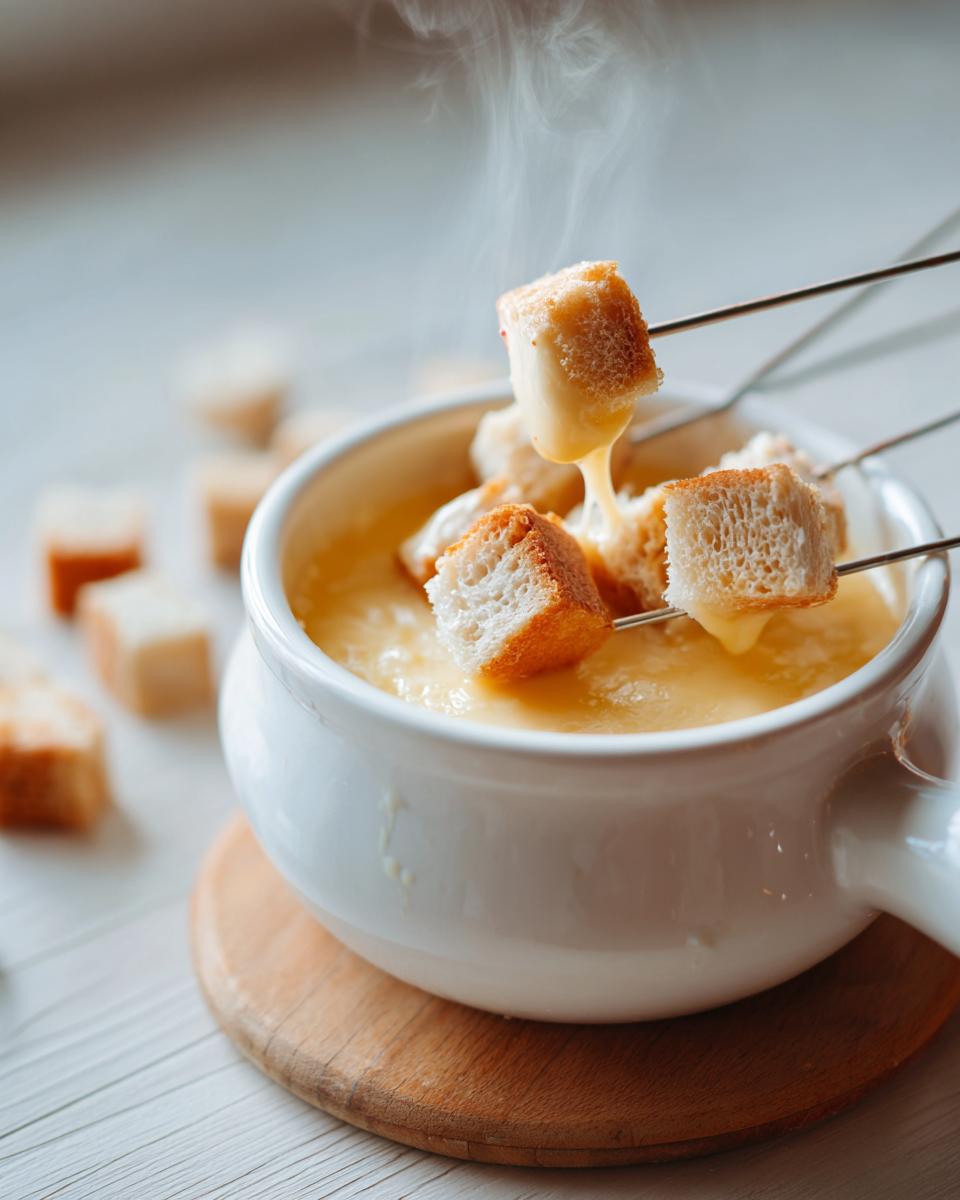
But we can’t just stop at bread, right? Once you have your bread situation handled, branch out a little! I love chopping up some crisp Granny Smith apples; the tartness is an amazing counterpoint to the salty, heavy cheese. Steamed new potatoes, firm broccoli florets, and even thin slices of pickles have all made an appearance at my table. Just make sure whatever you serve is roughly bite-sized so it’s easy for everyone to manage while they are chatting away. Don’t forget cornichons—they are wonderful for resetting your palate!
Equipment Needed for a Great Fondue Experience
Look, I love my heavy-bottomed stainless steel saucepan—it’s a workhorse in my kitchen! But when you’re making a cheese fondue recipe, you have to think about maintenance once it leaves the stovetop. The whole joy of this dish is that it’s supposed to stay melted and pourable while everyone dips away for an hour or more. If you just try to keep it hot on a regular burner, you’re going to scorch the bottom and ruin the beautiful emulsion we worked so hard to create in the previous steps!
That’s where the dedicated gear comes in handy. If you host gatherings often, investing in the right setup is really worth it, even if it seems a bit retro. It just keeps the flow going smoothly until the very last piece of bread is used up. But if you’re making this for the first time and testing the waters, don’t run out and buy specialty gear just yet—there are definitely workarounds available!
Selecting the Right Swiss Fondue Pot
When you look at dedicated pots, you’ll notice they almost always come with a little stand and a tiny heat source underneath, usually a small burner using denatured alcohol or a tea light candle. That low, steady heat applied directly to the base of the ceramic or cast-iron pot is exactly what you need to keep the cheese perfectly warm without cooking it further. It takes the guesswork out of it entirely. If you don’t have one, you can sometimes carefully balance your medium-sized saucepan over a very low tea light warmer, but you have to watch it like a hawk to make sure the bottom isn’t burning.
The important thing about the pot itself—whether it’s a classic Swiss fondue pot or just your trusty Dutch oven—is that it’s ceramic, thick-bottomed, or cast iron. These materials retain heat evenly. Thin metal pots will cook the cheese sticking to the bottom immediately, leading to lumps and scorching. We want creamy dreams, not chunky nightmares!
Storage and Reheating Your Leftover Fondue
Now, let’s be real: there’s rarely leftover Fondue! But if you’re lucky enough to have some lingering in the pot after the party winds down, we absolutely have to save it correctly. You can’t just stick the whole pot in the fridge and walk away, not if you want that velvet texture back later. If you try to treat it like a regular leftover dip, the cheese will harden into a brick and try to separate when you reheat it.
The key to saving your beautiful emulsion is keeping it away from extreme temperature changes. Carefully scrape any leftover cheese into an airtight container immediately after the party cools down a bit. Don’t worry if it looks oily or separated when cold; that’s normal for dairy-based sauces.
When it’s time to enjoy the leftovers, you have to reheat this gently. Set the container right on the stovetop over the absolute lowest heat setting you can manage, or use a double boiler if you have one. Whisk it slowly, adding just a teaspoon or two of *warm* white wine or milk until it loosens up and smooths out. Seriously, warm liquid only! Boiling it will break the emulsion instantly, and you’ll be back to square one with grainy cheese. Take your time with the reheating; a rescued, perfectly creamy pot of Fondue is so worth that little bit of extra attention the next day!
Frequently Asked Questions About Making Cheese Fondue
I get so many messages asking for clarification on the texture because, let’s face it, if that cheese fondue recipe goes sideways, it’s a disappointment everyone can taste! I gathered the top questions I usually get about keeping this dish perfect. It’s all about the details, and I want you to succeed on the first try!
Can I use pre-shredded cheese in this cheese fondue recipe?
Oh, I wish you could, but please resist that urge! No, you really shouldn’t use pre-shredded cheese for this classic Swiss dip. Those bags are coated with starches—stuff like potato starch or cellulose—to keep them from clumping in the bag. When you melt them, those anti-caking agents don’t dissolve well, and they interfere with the smooth emulsion we are going for. For a truly luscious melted cheese dip, you have to grate the Gruyère and Emmental fresh off the block. It takes two extra minutes, and I promise, it’s the difference between divine and disaster!
What happens if my fondue separates or becomes grainy?
Separation happens for two main reasons, and both usually trace back to heat control! If you let that wine boil before you add the cheese, the proteins lock up—that’s what causes the graininess. Also, if you add the cheese too fast, it overwhelms the wine, and boom, separation! If it does happen, stop stirring immediately. Turn the heat down to the absolute lowest setting and try to carefully whisk in a small splash of warm white wine or a tiny squeeze of lemon juice. Sometimes it saves it, but prevention is always better than cure!
Estimated Nutritional Information for This Fondue
I know while we’re focused on having fun and eating amazing cheese, some of you are curious about the macros—it’s all part of planning those big gatherings, especially around the holidays. Here is the breakdown of what you can generally expect from one serving of this rich, shareable dip, based on the ingredients listed in the recipe.
Remember, this is an educated guess! If you use a different type of wine, or if your Gruyère block was slightly fattier than mine, the numbers will shift a bit. That’s just the nature of cooking with real dairy and alcohol! This estimate is based on yielding six good-sized servings.
- Calories: About 450 per serving
- Total Fat: Around 30 grams (Be aware, a good chunk of this is Saturated Fat because of the cheese, which is where the flavor lives!)
- Protein: A solid 30 grams—you definitely get your fill here!
- Carbohydrates: Roughly 10 grams
On the bright side, this recipe is super low in sugar, which is a nice surprise when you look at all that cheese goodness. If you are watching your sodium, though, keep that in mind. Cheese is salty, and this is a savory appetizer designed for grazing all evening long!
Share Your Fondue Experience
Honestly, seeing your faces gathered around the pot is what makes all this effort worthwhile! This Fondue isn’t just a recipe; it’s an event, a connection point, and I absolutely love hearing how you make it your own. Did you try adding smoked paprika? Did you serve it with grilled shrimp instead of bread? I want to know everything!
If you’ve tried this guide to getting that perfectly smooth cheese blend, please do me a huge favor: come back here and give it a star rating! It helps other folks who might be nervous about tackling a homemade Fondue recipe feel confident jumping in. Your feedback keeps the community sharing warmth and comfort.
And if you snapped a picture of your amazing Fondue spread at your last gathering or New Year’s Eve party, please tag me on social media! Seeing that beautiful, gooey cheese being enjoyed is the best reward a home cook like me can ask for. Happy dipping, everyone!
PrintClassic Smooth Cheese Fondue for Gathering

Make a rich, smooth cheese fondue perfect for sharing at your next gathering. This recipe uses traditional Swiss cheeses and wine to create a luscious dip that stays creamy.
- Prep Time: 15 min
- Cook Time: 20 min
- Total Time: 35 min
- Yield: 6 servings 1x
- Category: Appetizer
- Method: Stovetop
- Cuisine: Swiss
- Diet: Vegetarian
Ingredients
- 1 pound Gruyère cheese, shredded
- 1 pound Emmental cheese, shredded
- 1 1/2 cups dry white wine (like Sauvignon Blanc)
- 2 tablespoons cornstarch
- 1 clove garlic, halved
- 1 teaspoon lemon juice
- 1/4 teaspoon ground nutmeg
- 1 tablespoon Kirsch (optional)
Instructions
- Toss the shredded cheeses together with the cornstarch in a medium bowl. This step helps prevent separation.
- Rub the inside of your fondue pot or heavy-bottomed saucepan with the cut side of the garlic clove. Discard the garlic.
- Pour the white wine and lemon juice into the pot. Heat over medium-low heat until small bubbles form around the edge. Do not boil.
- Gradually add the cheese mixture to the wine, a handful at a time, stirring constantly in a figure-eight motion until each addition is fully melted and smooth before adding more. Keep the heat low.
- Once all the cheese is melted and the mixture is smooth, stir in the nutmeg and Kirsch, if using.
- Transfer the pot to a fondue burner set to low heat to keep the mixture warm. If the fondue becomes too thick, stir in a splash of warm wine.
- Serve immediately with cubed bread and your preferred dippers.
Notes
- For the best texture, grate the cheese yourself rather than using pre-shredded cheese.
- Keep the heat low during the entire process; boiling the wine will cause the cheese to seize.
- Use firm bread cubes that hold up well when dipped, like day-old French bread.
Nutrition
- Serving Size: 1/6 of recipe
- Calories: 450
- Sugar: 2
- Sodium: 650
- Fat: 30
- Saturated Fat: 18
- Unsaturated Fat: 12
- Trans Fat: 0
- Carbohydrates: 10
- Fiber: 1
- Protein: 30
- Cholesterol: 90