
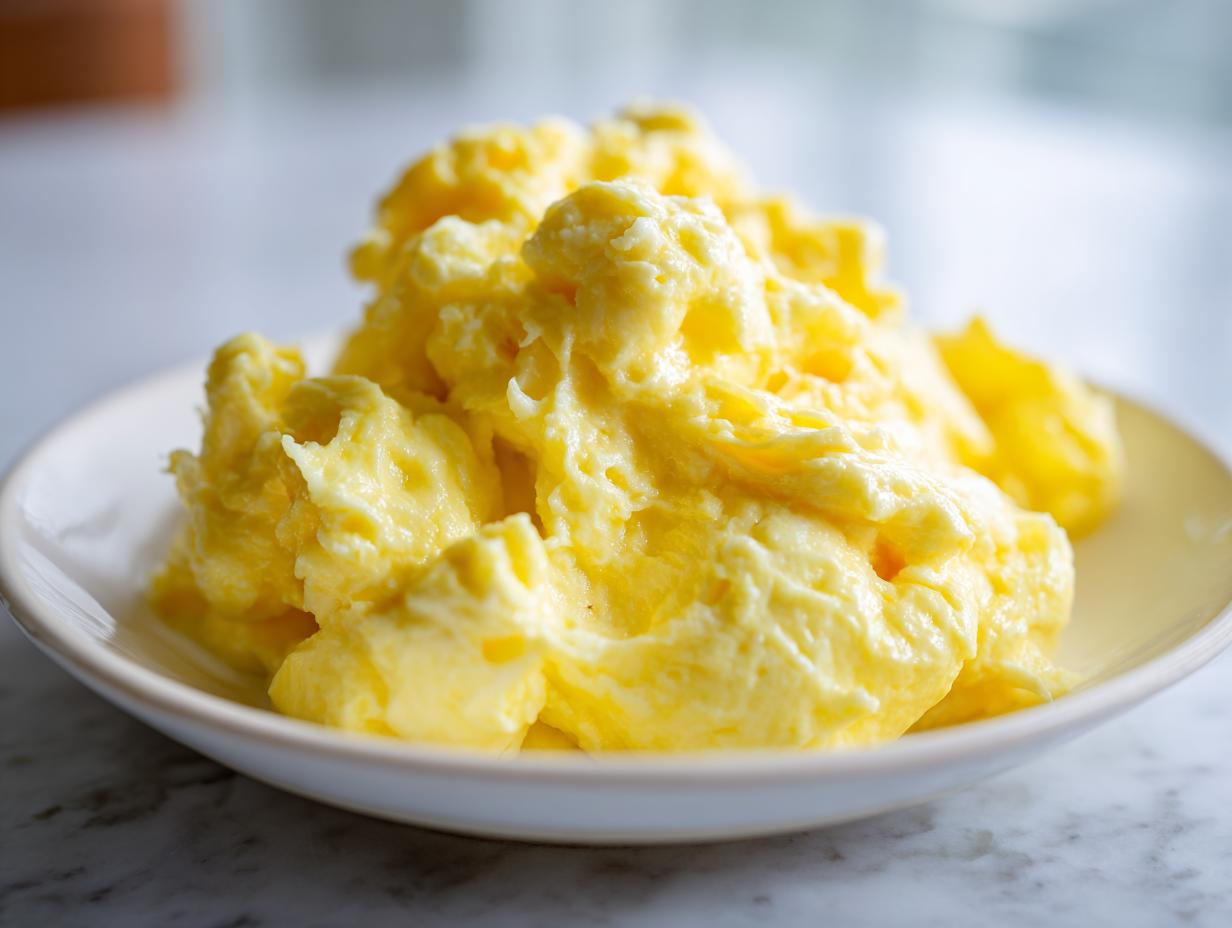
If your morning routine involves tough, rubbery scrambled eggs that taste like they were cooked too fast, I want you to stop right there! When I started Mia’s Meals, my main goal was simplifying the comfort foods we love, and honestly, nothing is more fundamental than perfect breakfast eggs. That’s why I developed this foolproof low-and-slow technique. Forget that quick scramble you’re used to; we are going for an ultimate soft, velvety, and fluffy result every single time. Trust me, once you master these few gentle steps, you’ll never look at simple scrambled eggs the same way again.
- Why This Low and Slow Method Creates the Best Scrambled Eggs
- Gathering Ingredients for Fluffy Scrambled Eggs Recipe
- The Foolproof Instructions for Perfect Scrambled Eggs Technique
- Tips for Success When Making Your Best Breakfast Eggs
- Making Scrambled Eggs for Easy Weekend Brunch Ideas
- Storage and Reheating Instructions for Leftover Scrambled Eggs
- Frequently Asked Questions About Perfect Scrambled Eggs
- Estimated Nutritional Data for Creamy Scrambled Eggs
- Share Your Perfect Scrambled Eggs Results
Why This Low and Slow Method Creates the Best Scrambled Eggs
You know that feeling when you bite into an egg that’s cooked perfectly—it just melts? That’s what we’re after! The absolute enemy of a creamy, pillow-y curd is high heat. When you cook your eggs hot and fast, the proteins seize up immediately, turning them tough and dry. We want velvety texture, and that requires patience. This whole process is based on the Low and Slow Egg Cooking Method, which gently coaxes the proteins to set, maintaining moisture throughout.
This emphasis on gentle cooking is the secret to the Perfect Scrambled Eggs Technique. Also, please make sure you use a good quality non-stick skillet. If your pan sticks, you’ll end up fighting the eggs, which means you’ll stir too aggressively and break their delicate structure. A nice smooth surface lets you push those soft curds cleanly.
Achieving Restaurant Style Scrambled Eggs at Home
Honestly, everyone wants to make those incredible eggs you get at fancy brunch spots, right? Those chefs aren’t using huge flames; they’re using low temperatures and constant, gentle movement. Think of it like coaxing them along instead of forcing them to cook. While some methods, like the famous one by Gordon Ramsay, involve taking the pan on and off the heat, our Low and Slow Egg Cooking Method keeps everything consistent on the burner, just set very low. The result is that silky, barely-set texture that is just divine.
Gathering Ingredients for Fluffy Scrambled Eggs Recipe
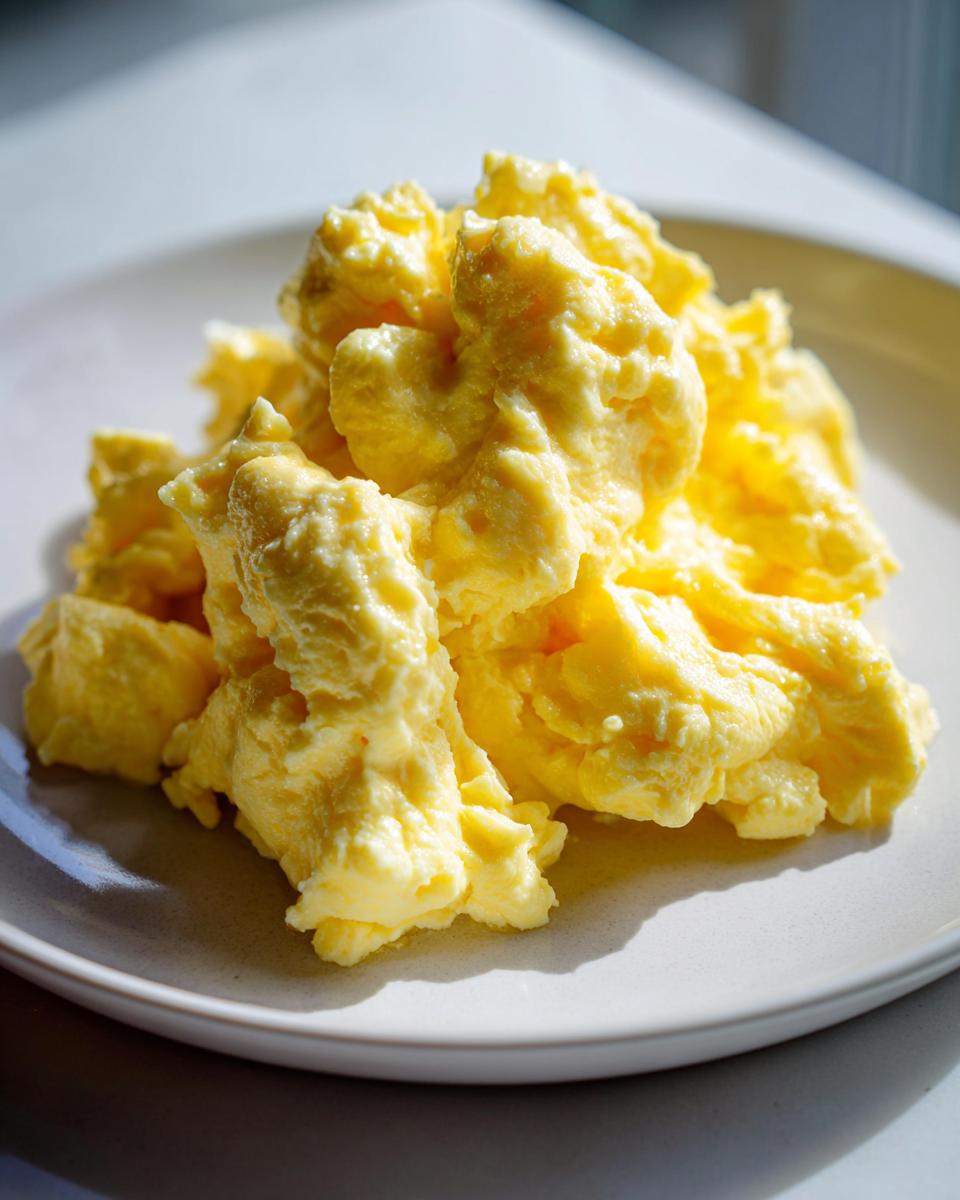
When aiming for that light, wonderful texture in your Fluffy Scrambled Eggs Recipe, the ingredients matter more than you think. We aren’t doing anything complicated here, just using quality staples to get the very best flavor and structure. We need six large eggs—make sure they are cold, fresh from the fridge!
For richness, we rely on 3 tablespoons of heavy cream. This is important, folks! The fat in the heavy cream is what really helps create those velvety curds, making them incredibly luxurious. We also use 1 tablespoon of good quality, unsalted butter for flavor and to prevent sticking on our non-stick pan. Finish it with just a pinch of salt and pepper.
Ingredient Notes and Substitutions for Creamy Scrambled Eggs Easy
If you don’t keep heavy cream around, you *can* swap it for whole milk, but these will be slightly less rich—it’s still good, just not quite as decadent as the creamy scrambled eggs easy version. For an extra punch of luxury on a weekend morning, try swapping out the last tablespoon of heat-off stirring for a small dollop of crème fraîche! It adds a beautiful tanginess.
Now, if you’re craving those Simple Cheesy Eggs, this is the time to add them. Stir in about 1/4 cup of shredded sharp cheddar or Gruyère right at the very end, just as the eggs leave the heat. The residual warmth melts them perfectly without scrambling the cheese!
The Foolproof Instructions for Perfect Scrambled Eggs Technique
Alright, ditch your aggressive whisking and forget what you know about cooking eggs fast! This is where our perfect scrambled eggs technique really shines. Remember that mixture of eggs and cream we made? Make sure they are combined well but not airy—we want smooth texture, not foam. We are moving slowly now; remember the mantra: low and slow!
First things first: heat control. Find the lowest setting on your stove—seriously, turn it down until it feels almost too low. Melt your tablespoon of unsalted butter until it’s completely liquid and just starts to get foamy. Now, pour in your egg mixture. Let it sit completely still for about 30 seconds. Don’t panic, don’t touch! This initial rest begins setting the very edges, which is crucial for forming those big, soft curds we want in our finished scrambled eggs.
Once you see just the slightest bit of setting on the perimeter, grab your silicone spatula. You are not stirring; you are *gently pushing*. Push the set egg mass slowly from the edge of the pan toward the center. You need to actively tilt the pan so that the liquid egg flows smoothly underneath the cooked part. Repeat this gentle pushing and folding motion every 10 to 15 seconds. Keep that heat level consistent.
Step-by-Step Guide to Making Soft Scrambled Eggs
This movement is the secret to creating the incredible texture you see in professional breakfast egg presentations. The entire process of cooking should take about 8 to 10 minutes, maybe longer, but you will be rewarded! You are watching the eggs transform from liquid into glossy, soft ribbons of cooked egg. When the eggs look mostly cooked—they should still be incredibly wet, shiny, and glossy—it is time to get them off the heat immediately.
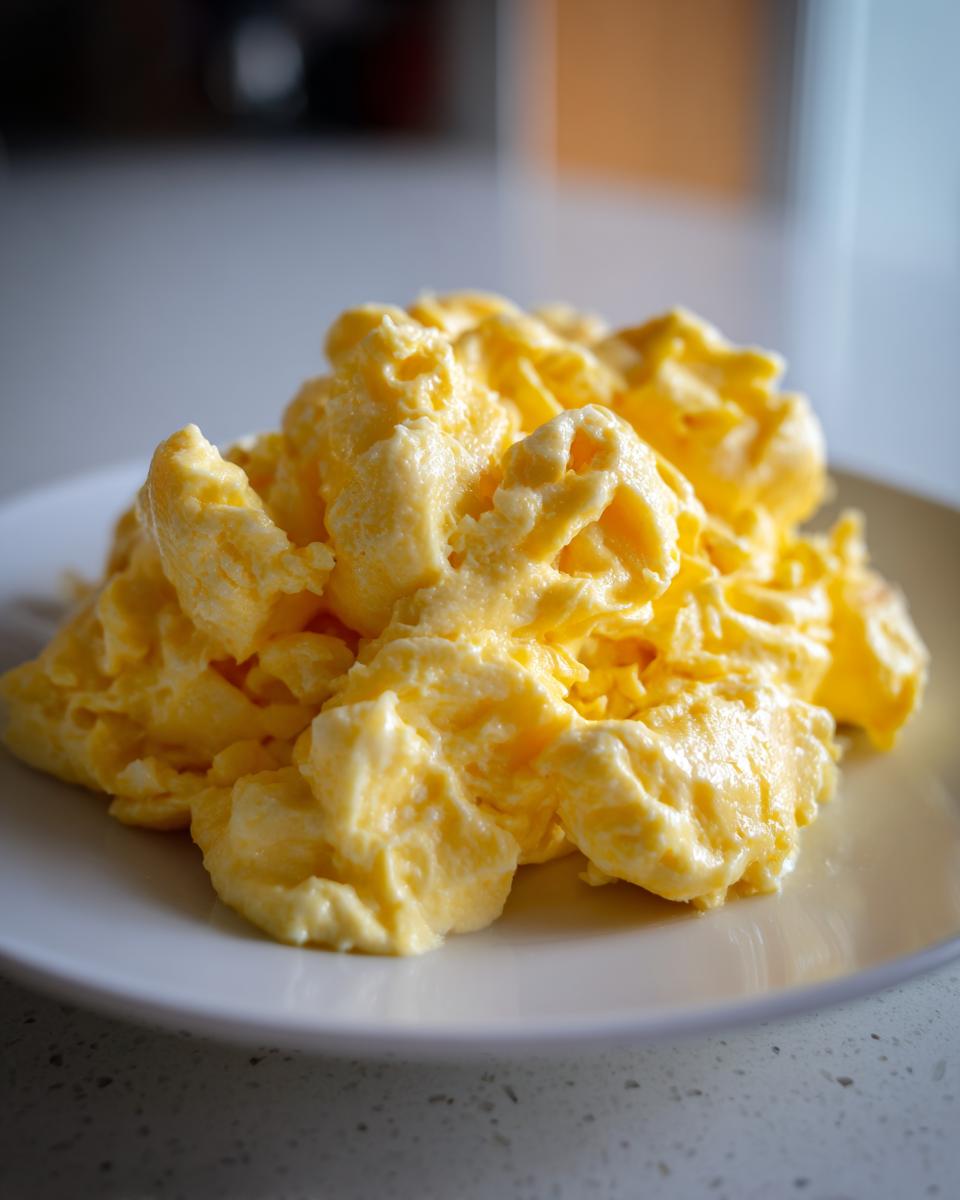
This is the biggest trust jump you have to make! If they look done in the pan, they are overcooked on the plate. Keep them glossy because the residual heat in that pan is still actively cooking them off the burner. As soon as you pull them off, stir in your salt and pepper. This stops the cooking right away and seasons them perfectly. Serve these soft scrambled eggs immediately while they are at their peak creaminess!
Tips for Success When Making Your Best Breakfast Eggs
We’ve mastered the low and slow cook, but a few extra finishing touches can really elevate these from great to truly exceptional, especially if you’re trying to whip up Quick Egg Recipes for the family!
My number one tip, which I learned from watching my mother, is *when* you salt them. You must salt them almost at the very end, right when you take the pan off the heat. If you add salt too early, it can actually start to break down the proteins in the eggs prematurely, leading to a weeping or slightly watery texture, which defeats the whole purpose of this creamy method. We want that velvety texture, so seasonings go in last.
Also, remember that serving temperature is key to enjoying the texture. If you let these perfect scrambled eggs sit on a plate for five minutes while you slice your avocado, they will firm up on you. You need to serve them immediately! If you are cooking for a crowd and can’t serve them all at once, you can transfer the cooked eggs to a warm (not hot!) bowl placed over a pot of barely simmering water. This creates a gentle hot bath that keeps them soft while you finish the rest of the plating.
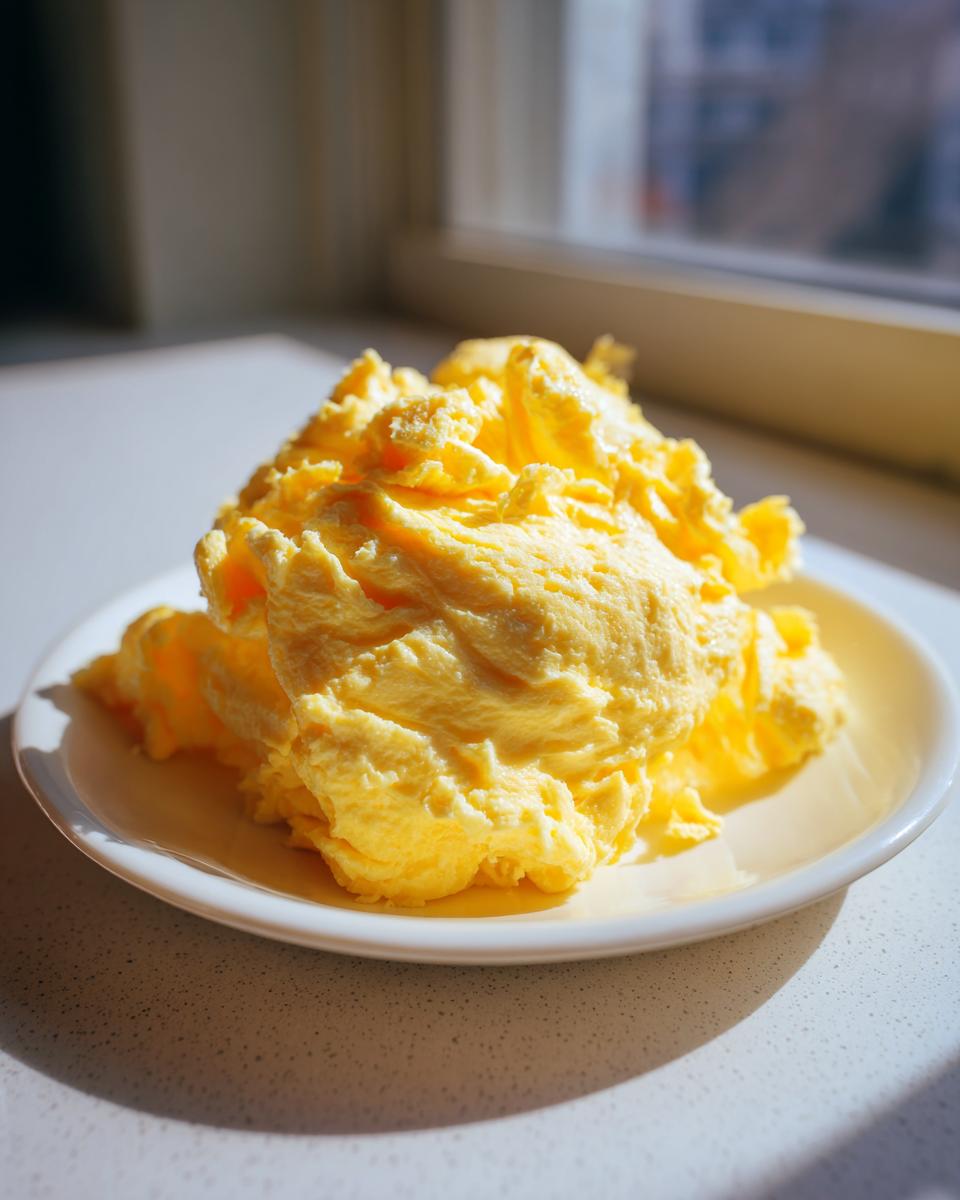
For a slightly richer, fluffier set, try breaking your eggs into the bowl and whisking them *lightly* with a fork rather than a balloon whisk. You just want to break up the yolks and combine them with the cream; too much air incorporated at the start just makes them more prone to drying out later on. A gentle mix gets you the best texture for your breakfast eggs!
Making Scrambled Eggs for Easy Weekend Brunch Ideas
The beauty of this low and slow egg cooking method is that it doesn’t rely on complicated gadgets, which means scaling it up for a weekend brunch is surprisingly simple! If you need to feed four people instead of two, just double the ingredients—the eggs, the cream, the butter—all of it doubles nicely. Remember, even when you double the batch, you absolutely must keep the heat on low. It might take you 15 minutes instead of 10, but trust me, those extra slow moments ensure you get beautifully consistent, fluffy scrambled eggs for everyone.
This preparation is my go-to when I’m looking for easy weekend brunch ideas because it feels elevated but is secretly very hands-off once you get the rhythm going. You mostly just need to watch the edges!
Serving Suggestions for Fluffy Scrambled Eggs Recipe
These creamy scrambled eggs are the perfect anchor for any brunch plate, truly. Since the texture is so rich and velvety, they pair beautifully with something crisp or fresh to cut through that creaminess. Forget dry toast; try thick slices of sourdough rubbed with garlic and drizzled with olive oil.
For toppings, creamy scrambled eggs absolutely adore slices of fresh avocado—a little bit of healthy fat on fat! If you’re feeling fancy, a little smoked salmon scattered over the top elevates this dish instantly. If you need a starchy side, toss some potatoes in the oven while you cook the eggs, or just serve them alongside some perfectly crisp bacon. They really shine when they aren’t over-seasoned by heavy sides.
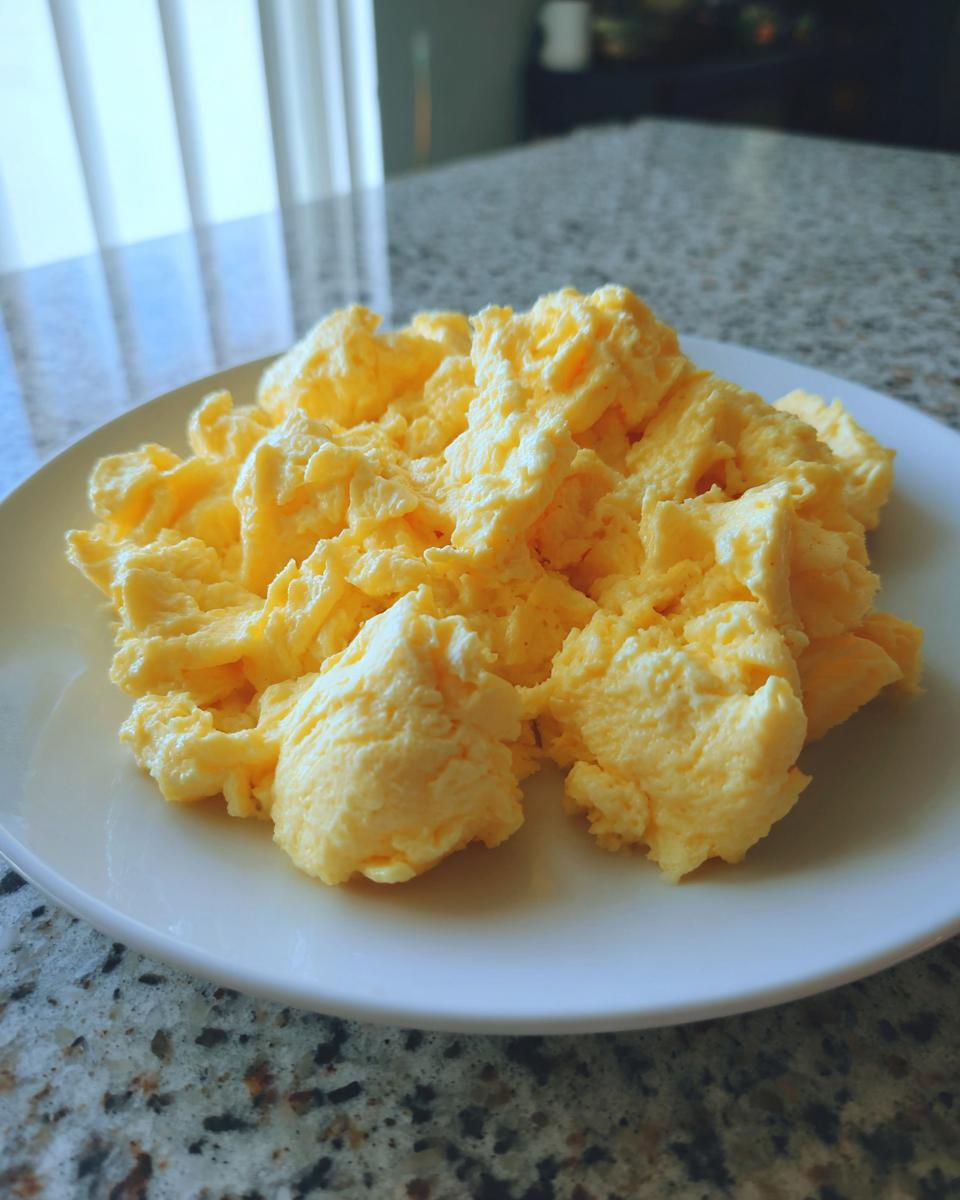
Storage and Reheating Instructions for Leftover Scrambled Eggs
Okay, let’s be honest: the magic of these creamy scrambled eggs is really best enjoyed fresh off the heat. Leftovers rarely taste as amazing, and that’s just the truth of a good egg dish! If you absolutely must save some, make sure they are cooled quickly and stored in an airtight container right away. I find they get a little tight and firm once refrigerated.
When you go to reheat them later—maybe for a fast second breakfast—do it gently. Never microwave these beauties! Put them in a small non-stick pan over very low heat. The trick to salvaging that lost moisture is adding a tiny splash of heavy cream or whole milk while they warm through. You just need to stir them continuously until they are warm enough. This little trick helps bring back some of that velvety texture we worked so hard to achieve.
Frequently Asked Questions About Perfect Scrambled Eggs
I get so many questions about this recipe, and honestly, that’s a good sign! It means you’re all trying to elevate your morning routine, and I love helping you get there. Here are the biggest things people ask me about when trying to master these restaurant-style scrambled eggs.
Can I use milk instead of heavy cream in these scrambled eggs?
You absolutely can, but you need to know the trade-off! Heavy cream is thicker because it has more fat, and that fat traps air and moisture beautifully, giving you those super rich, velvety curds we talked about when we were aiming for creamy scrambled eggs easy. If you swap the heavy cream for regular milk, the eggs will still be tender because of the low-and-slow cooking, but they won’t have that signature richness. They’ll be light and fluffy, but maybe less decadent. For a happy medium, just use whole milk!
What is the secret to making Protein Packed Breakfast Eggs fluffy?
The fluffiness comes almost entirely from the technique, not necessarily the protein type! Whether you’re making the Fluffy Scrambled Eggs Recipe as written or trying to boost the protein, the biggest secret is keeping that heat low and steady. That low and slow egg cooking method prevents the proteins from crashing them into rubbery bits. If you want to make them Protein Packed Breakfast Eggs, the main thing is to avoid over-whisking your initial mix. If you want an added protein boost without changing the whole recipe structure, try adding about a half cup of small-curd cottage cheese right in with the eggs before you start cooking. It melts down and gives a fantastic cloudy texture!
If you have other questions about substitutions, just reach out to me anytime through the contact page! I love hearing from you all.
Estimated Nutritional Data for Creamy Scrambled Eggs
When we focus on making creamy scrambled eggs that are rich and satisfying, it naturally means we are probably using a bit more fat than if we were just throwing plain eggs in a hot pan. I like to be upfront about what goes into these recipes because I want you to feel good about what you’re feeding your family!
Based on the six large eggs, heavy cream, and butter used in this specific version of the perfect scrambled eggs technique, here is the estimated nutritional breakdown per serving (assuming two servings for the total recipe):
- Calories: 305
- Fat: 24g
- Protein: 19g
- Carbohydrates: 2.5g
- Sugar: 1.5g
- Cholesterol: 550mg
Now, please remember this is just an estimate from my kitchen! The actual numbers can shift a little bit depending on the exact brand of heavy cream you use or if you decide to add those yummy cheese curds we talked about earlier. This breakdown gives you a solid idea of why these are such a wonderful, filling start to your day!
Share Your Perfect Scrambled Eggs Results
I truly hope this recipe changes the way you think about making breakfast! This low-and-slow approach isn’t just a trick; it’s a commitment to good, wholesome food, and I’d absolutely love to hear how it turned out for you. Did you achieve that restaurant-style fluffiness you were hoping for? Did your family notice the difference in texture?
Please take a moment to leave a rating right here on the site. It helps me know which recipes are becoming staples in your busy homes. If you have a little story about what you served alongside your perfect scrambled eggs, drop it in the comments below—I read every single one!
And if you snapped a picture of your beautiful, creamy plate, share it! Tag me on social media so I can see your success. It means the world to me when I see my tried-and-true family favorites like this one starting new traditions at your table. You can learn more about my journey here. Happy cooking, and I can’t wait to see your results!
PrintUltimate Fluffy and Creamy Scrambled Eggs: Low-and-Slow Technique
Learn the foolproof low-and-slow technique to achieve the ultimate soft, velvety, and fluffy scrambled eggs every single time. This easy breakfast recipe delivers restaurant-style texture.
- Prep Time: 5 min
- Cook Time: 10 min
- Total Time: 15 min
- Yield: 2 servings 1x
- Category: Breakfast
- Method: Stovetop Cooking
- Cuisine: American
- Diet: Vegetarian
Ingredients
- 6 large eggs
- 3 tablespoons heavy cream
- 1 tablespoon unsalted butter
- 1/4 teaspoon salt
- 1/8 teaspoon black pepper
Instructions
- In a medium bowl, whisk the eggs and heavy cream together until the mixture is uniform and slightly frothy. Do not over-whisk.
- Place a non-stick skillet over low heat. Add the butter and let it melt completely until it foams slightly.
- Pour the egg mixture into the skillet. Let the eggs sit undisturbed for about 30 seconds until the edges just begin to set.
- Using a silicone spatula, gently push the cooked egg from the edge toward the center, tilting the pan so the uncooked egg flows underneath.
- Continue this slow pushing and folding motion every 10 to 15 seconds. Keep the heat low. This low and slow method prevents the eggs from becoming tough.
- When the eggs are mostly set but still look wet and glossy (this is key for creamy scrambled eggs), remove the pan from the heat immediately. The residual heat will finish cooking them.
- Stir in the salt and pepper. Serve immediately for the best texture.
Notes
- For extra richness, substitute half the heavy cream with whole milk or use a small dollop of crème fraîche at the end.
- If you want cheesy scrambled eggs, stir in 1/4 cup of shredded sharp cheddar or Gruyère cheese just before removing the pan from the heat.
- Do not use high heat; this method relies on gentle, consistent warmth for pillow-y curds.
Nutrition
- Serving Size: 1 serving
- Calories: 305
- Sugar: 1.5
- Sodium: 280
- Fat: 24
- Saturated Fat: 13
- Unsaturated Fat: 11
- Trans Fat: 0.5
- Carbohydrates: 2.5
- Fiber: 0.2
- Protein: 19
- Cholesterol: 550