

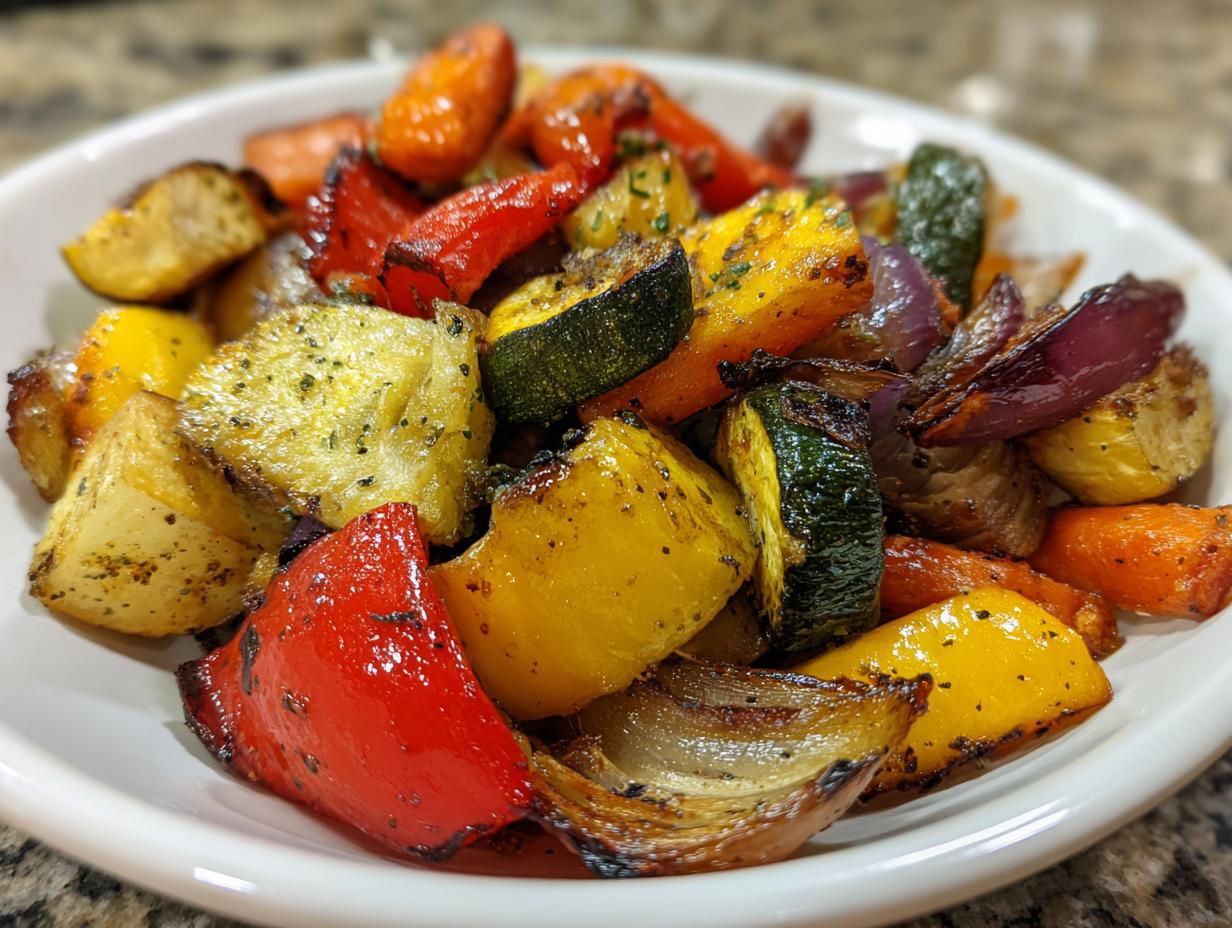
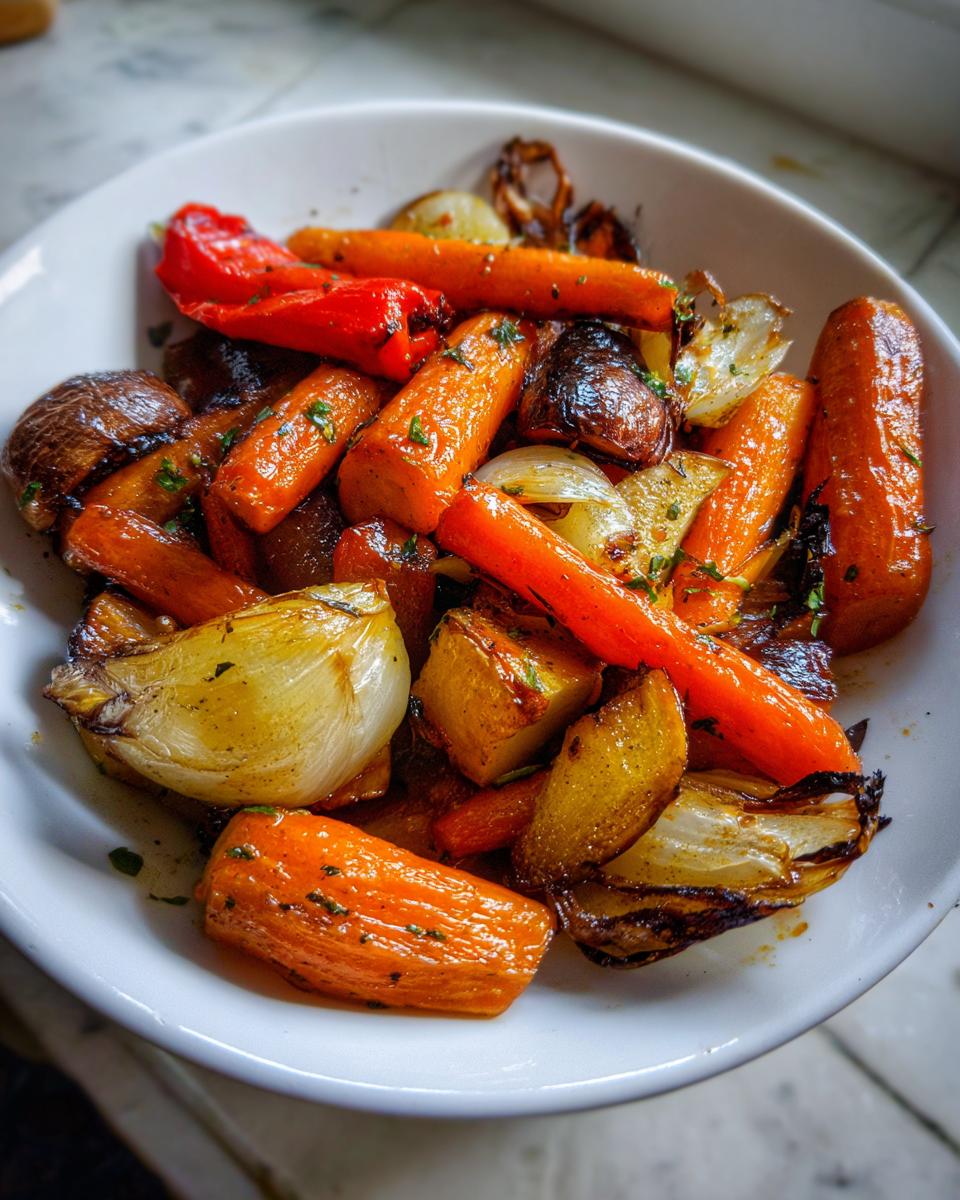
Oh, how I know the disappointment of pulling a pan out of the oven only to find floppy, steamed, sad-looking side dishes. If you’ve ever felt that way, trust me, I’ve been there! We want flavor, we want texture, and we definitely don’t want mush. That’s why I’m sharing my absolute core philosophy for making beautiful, satisfying roasted vegetables. This isn’t just a recipe; it’s the technique that guarantees those deeply browned, perfectly caramelized edges every single time. Bringing delicious food to the table doesn’t have to be a mountain to climb when you’re juggling work and family. Mastering this simple method means you always have a show-stopping, healthy side ready to go!
- Why This is the Best Roasted Vegetable Recipe for Weeknights
- Essential Ingredients for Flavorful Roasted Vegetables
- Oven Roasted Vegetable Techniques: Achieving Perfectly Caramelized Vegetables
- Step-by-Step Sheet Pan Roasted Vegetables Instructions
- Tips for Success: Mastering Roasted Vegetables Every Time
- Variations: Creating Custom Roasted Vegetable Medley Flavors
- Serving Suggestions for Your Roasted Vegetables
- Storage and Reheating for Leftover Roasted Vegetables
- Frequently Asked Questions About Roasting Vegetables
Why This is the Best Roasted Vegetable Recipe for Weeknights
Listen, in my house, anything that promises to be faster than 45 minutes total—prep included—is a weeknight hero. This approach to roasted vegetables is truly the best roasted vegetable recipe because it’s built for speed and flavor payoff.
When you follow this method, you get reliable results without fuss. It helps us turn simple produce into one of the most requested quick weeknight vegetable sides. Here’s what I love most:
- Zero Fuss Prep: We chop, toss, and done! True active prep time is minimal. You can check out more of my quick weeknight dinners ideas right here.
- Guaranteed Texture: You don’t get mush. You get fork-tender centers and those beautiful, crispy caramelized edges we all crave.
- Maximum Flavor: That dash of garlic powder and thyme goes a long way, making even boring broccoli taste amazing.
Essential Ingredients for Flavorful Roasted Vegetables
Okay, let’s talk about what goes onto that sheet pan. The success of your roasted vegetables absolutely hinges on the quality and the amount of fat you use. We aren’t trying to steam them; we are building structure and crunch! I always reach for a good, sturdy olive oil—it handles the high heat beautifully. And please, use kosher salt. It’s coarser, so you can see exactly how much you’re adding, which helps you avoid over-salting! If you are looking to elevate things, that small splash of maple syrup is pure magic for getting those deep, sweet mahogany spots on the edges.
Base Ingredients for Roasted Vegetables
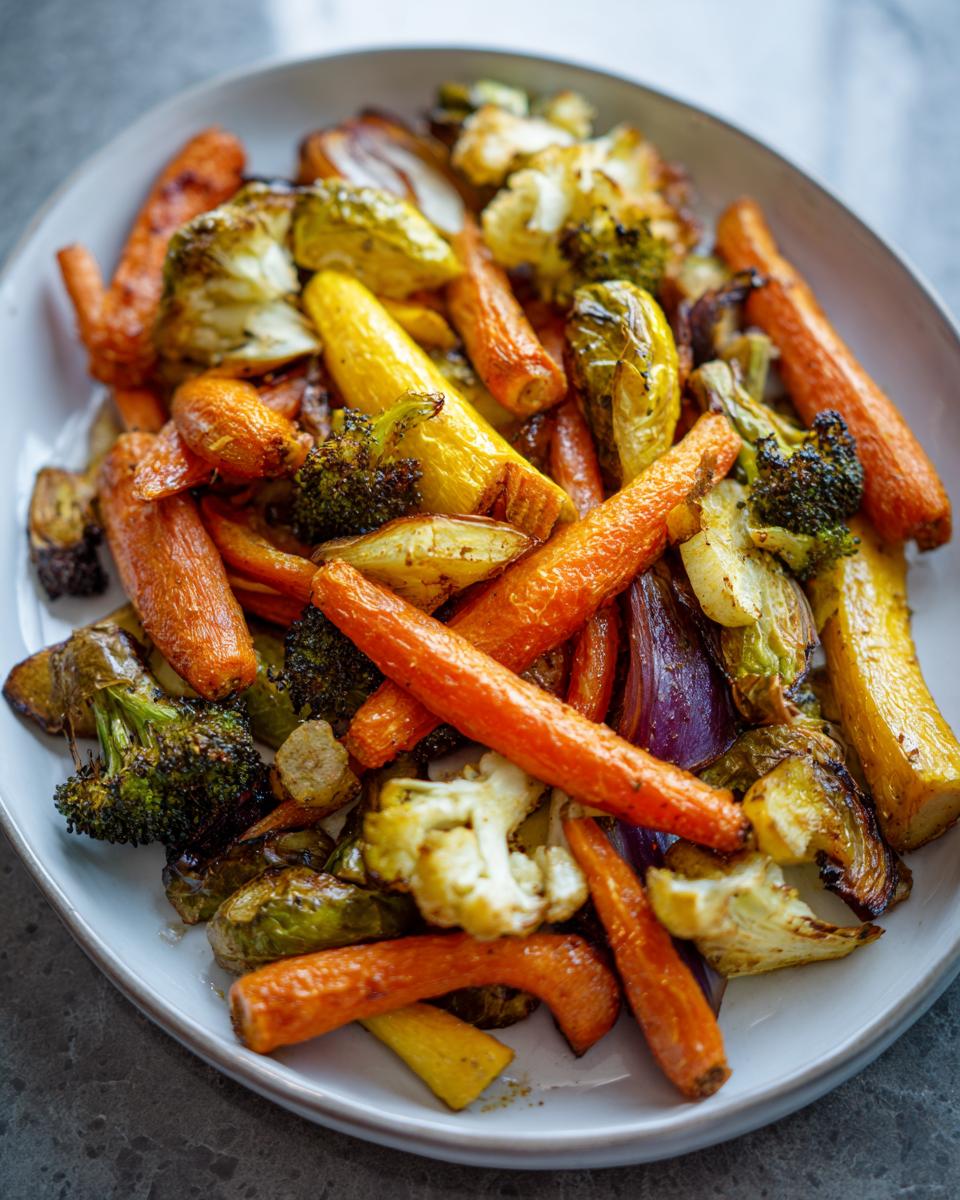
For our base, you’ll need about 3 pounds of whatever seasonal goodies you have—I mixed broccoli, carrots, and potatoes this time around. Make sure you wash and dry them completely, and this is my Expert Tip: cut harder vegetables, like carrots and potatoes, into uniform 1-inch pieces. If they’re uneven, one bite will be crunchy and the next will be practically powder! Don’t forget 3 tablespoons of olive oil, 1 teaspoon of kosher salt, and about half a teaspoon of black pepper to start everything off right.
Flavorful Roasted Vegetable Seasonings
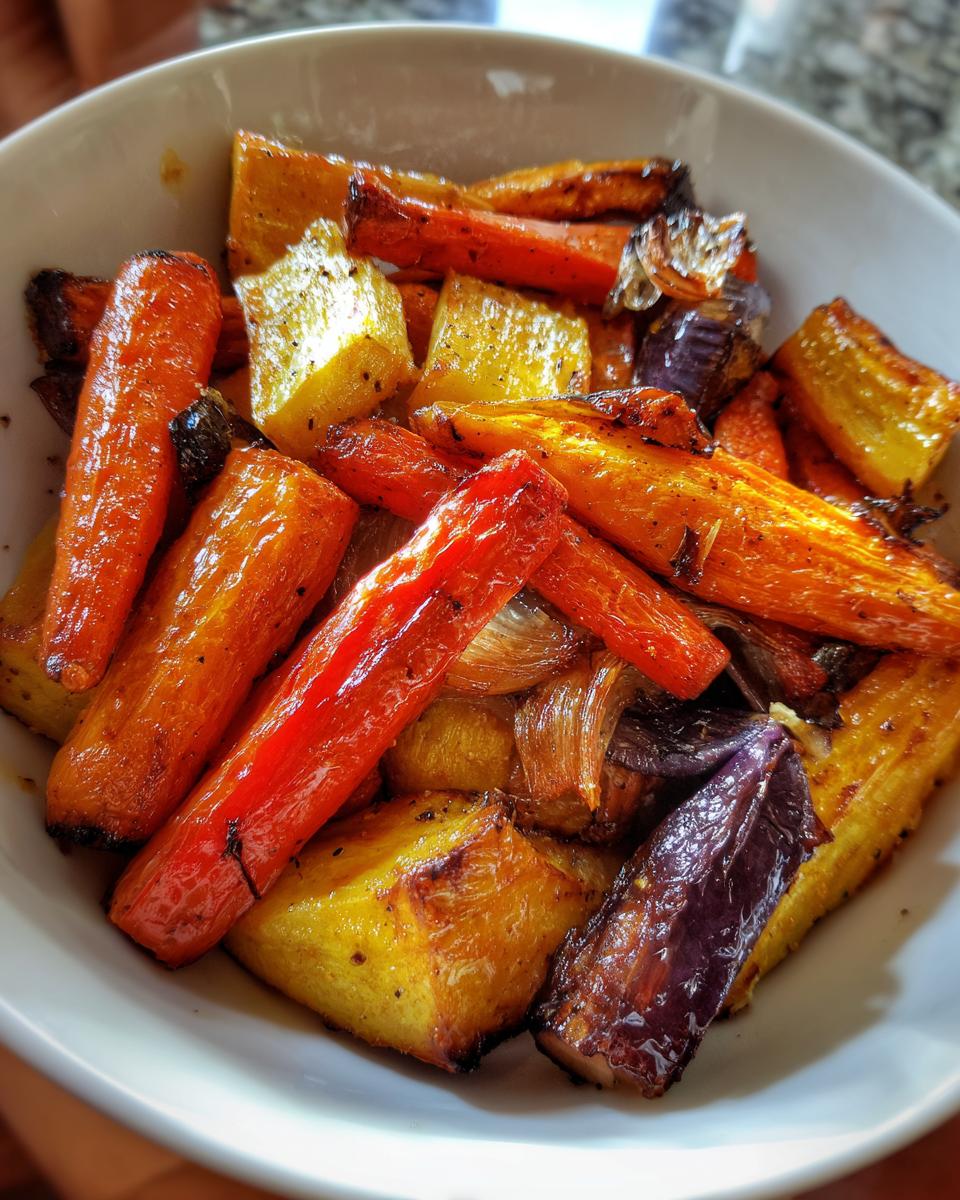
The aromatic backbone of this dish comes from simple cupboard staples which are the foundation for so many flavorful roasted vegetable seasonings. We are using 1 teaspoon of garlic powder—it toasts beautifully without burning like fresh minced garlic can—and just half a teaspoon of dried thyme for that herbaceous note. If you want that slight sweetness combined with tang, this is where you add that optional 1 tablespoon of maple syrup right here before they hit the oven. It really helps those edges caramelize nicely!
Oven Roasted Vegetable Techniques: Achieving Perfectly Caramelized Vegetables
If you’re ready to learn the secrets behind truly great roasted vegetables, this is where we dig deep. It’s all about applying the right oven roasted vegetable techniques at the right time. We aren’t just baking them; we are aiming for concentrated flavor and texture. To help you learn how to roast vegetables until tender without turning them into soup, we focus on high heat and separation. My mom always stressed that high heat is what coaxes out the sugars in the vegetables, leading to those gorgeous, perfectly caramelized vegetables.
The prep work might seem fussy, but trust me, drying them completely is non-negotiable. That water on the surface steams the vegetables first, and that’s how you get sides that are limp instead of crisp. Once they’re dry, the high heat of the oven does the heavy lifting!
Temperature and Pan Preparation for Crispy Roasted Vegetables
You absolutely must preheat your oven to 425 degrees Fahrenheit—no shortcuts here! That initial blast of heat is key to getting the exterior cooking quickly. When you spread them out on the baking sheet, you must give them space. I know, I know, you have a huge family, but if your vegetables are touching shoulder-to-shoulder, they are going to steam! This is the #1 way to figure out how to stop vegetables from getting mushy. You want air circulation around every single piece so they crisp up instead of sweating. If you have to use two pans, use two pans! I love using a large sheet pan for this job, and you can check out how I prepare them for my easy roasted carrots when you need that extra surface area!
Step-by-Step Sheet Pan Roasted Vegetables Instructions
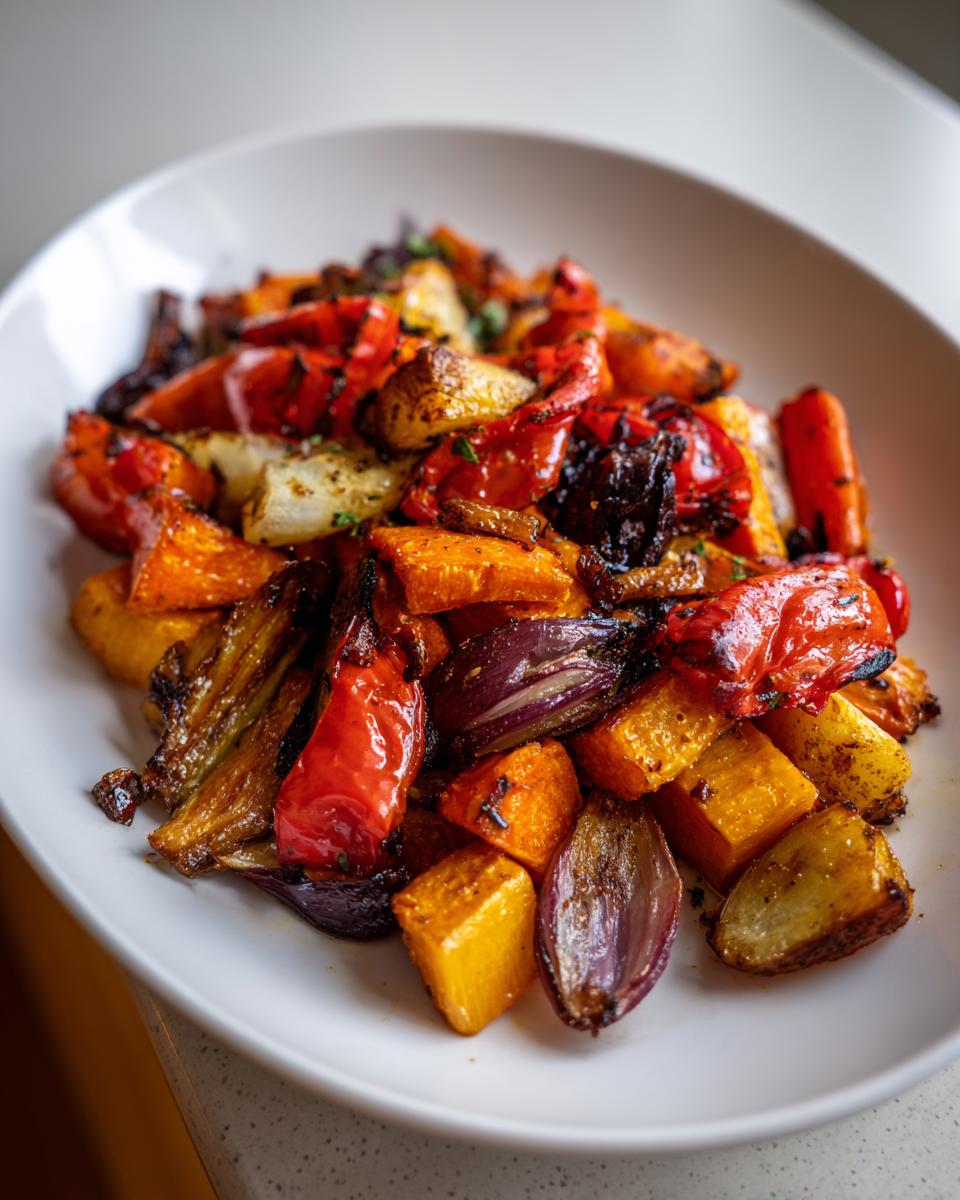
Now that we’ve covered the science of temperature and separation, let’s walk through the actual process for making these incredible sheet pan roasted vegetables. It’s super fast once that oven hits temperature! First thing first: make sure your oven is screaming hot at 425°F. We want to cook on the upper racks so the heat radiates down nicely.
Next, take your perfectly sized and bone-dry vegetables and toss them in that large bowl with the oil and all your seasonings. Don’t skip that toss! You want every chunk coated evenly before you spread them out. When you move them to the baking sheets, place them in a single layer—and I mean single layer! If you have to cram them in, grab a second pan! This separation is the key to success.
They go into the hot oven for about 20 to 30 minutes total. But here’s a crucial midpoint check: every 10 to 12 minutes, pull that pan out and give them a good toss. This ensures all sides get that beautiful browning. If you need other ideas on how to roast things up crisp—like how I handle my favorite roasted broccoli—always check those links!
Tips for Success: Mastering Roasted Vegetables Every Time
I want you to walk away from this guide feeling totally confident that you can produce crispy roasted vegetables tutorial quality sides whenever you want! While the basic steps are simple, these little insider details are what separate good results from truly amazing ones. This is the kind of knowledge my mom passed down to me—the real-deal stuff that saves weeknight cooking!
If you’re aiming for the absolute best texture, you’ve got to pay attention to the oil and the packing of the pan. I used olive oil in the main recipe because I always have it handy, but if your goal is maximum crispiness, swap it out for a high-heat oil like avocado oil. Trust me, it makes a difference when you’re pushing the oven hard!
Do you remember how I told you to mix your carrots and broccoli? Sometimes when you have a huge medley, it’s best to keep them separate. For instance, if you’re roasting denser items like just root vegetables, you might need an extra 5 to 10 minutes in the heat. If you cram them all onto one pan, the steam gets trapped, and suddenly, you’re making steamed veggies instead of the highly flavorful roasted vegetables we want!
I learned the drying lesson the hard way, probably the very first time I tried making roasted potatoes. I skipped the paper towel step because I was rushing to get dinner on the table, and what I got was a tray of spongy, pale lumps sitting in a puddle of water and oil. Never again! Now, I make sure every piece of produce is practically screaming dry before it ever touches the oil. It’s the simplest step for achieving that perfect, crunchy crust. For more ideas on blending your veggies perfectly, check out my guide on easy roasted potatoes and carrots!
Variations: Creating Custom Roasted Vegetable Medley Flavors
Part of what makes cooking for my family so fun is that we rarely make the exact same thing twice! Once you nail the technique for perfect roasted vegetables, you can start playing with flavor profiles. This is where you can customize your side dish based on what’s inspiring you that week. My base recipe focuses on dried thyme and powder, but you can riff on that all day long to create your favorite simple vegetable medley recipe.
For example, if you love that deep, savory taste, skip the garlic powder entirely and go for three cloves of fresh garlic, minced very fine, tossed in with the oil *at the very end* before roasting. That creates an amazing garlic roasted vegetables recipe that’s intensely aromatic. Or, if you want the sweet and savory punch we mentioned earlier, go heavy on that maple syrup glaze mentioned in the main recipe!
Vegan Roasted Vegetables and Dietary Adjustments
Here’s the best part for busy cooks like us: this recipe is fundamentally flexible! Good news—the base recipe using olive oil, salt, pepper, and dried herbs is already completely vegan roasted vegetables friendly and naturally gluten-free, too. That means no swaps needed for our plant-based friends!
If you were adding something creamy, like cheese or bacon fat (which is delicious, don’t get me wrong!), that would change things. But as written, it’s perfectly safe for almost everyone at the table. This adaptability means you can easily add nuts or seeds for a different texture or even toss these beauties into a grain bowl later. If you ever need a great sauce to go over them, check out my recipe for easy homemade cranberry sauce—it’s amazing drizzled over savory roasted root vegetables!
Serving Suggestions for Your Roasted Vegetables
Now that you have these perfectly crisp, tender, and flavorful roasted vegetables, what do you do with them? Honestly, they are so good they can almost be the star of the show! They partner up perfectly with those classic American comfort meals we all love. Think of them as the easiest side dish upgrade you’ll ever make.
They are fantastic next to crispy roast chicken or my amazing easy baked Caesar chicken. If you’re making something big for a holiday, they pair wonderfully with a juicy slow cooker turkey breast. They truly shine as one of those satisfying, wholesome easy vegetable side dishes that everyone actually eats!
Storage and Reheating for Leftover Roasted Vegetables
Even magic sides sometimes end up as leftovers, and we absolutely need to save them! Store any leftover roasted vegetables in a shallow, airtight container—don’t use plastic wrap directly on them, as that traps too much moisture. They stay good for about three to four days in the fridge.
When reheating, forget the microwave; it just brings back the steaminess! Pop them back on a sheet pan in a 400°F oven for about 8 minutes, or even better, toss them in an air fryer for just 3 minutes. That quick blast of dry heat brings back that awesome crispy edge we worked so hard to achieve!
Frequently Asked Questions About Roasting Vegetables
You’ve got the technique down, but sometimes questions pop up when you’re actually in the kitchen relying on a recipe! I love hearing from you all. Getting roasted vegetables perfect every single time means understanding why certain steps matter so much. If you’re trying to nail that simple vegetable roasting guide, these are the things folks ask me about most often!
What is the best temperature for roasting vegetables?
The key to getting those lovely, brown, perfectly caramelized vegetables is high heat, period! You really want to aim for your oven to be running between 400°F and 425°F. Lower temperatures are going to make your veggies just sit there and release moisture, which leads right back to that mushy texture we want to avoid. Crank that oven up!
How do I prevent my roasted vegetables from getting mushy?
This is probably the question I get asked the most, and it boils down to two culprits we discussed above, but they are worth repeating! First, you must dry your vegetables thoroughly—use paper towels, dry them until they feel a little fuzzy! Second, and this is huge, do not overcrowd the pan. Give every piece some space so they can roast, not steam. That’s the secret to crispy roasted vegetables.
Can I roast root vegetables and softer vegetables together?
Yes, you can, but only if you’re smart about it! Root vegetables like potatoes and carrots take way longer than, say, bell peppers or broccoli. If you put them all in together, the soft ones will burn before the hard ones are tender. My advice for a mixed batch is to cut the root veggies much smaller than the softer ones, or roast the hard stuff for about 15 minutes alone before adding the rest to the pan! It keeps your simple vegetable medley recipe perfectly balanced.
We cover so much more about keeping your vegetable sides flavorful and easy to prepare! If you want to learn more about how I approach my mission to simplify cooking for the modern home, you can always check out my About Page!
PrintThe Ultimate Guide to Perfectly Roasted Vegetables: Achieving Caramelized Edges Every Time
Learn the simple techniques to make flavorful roasted vegetables that are tender inside and perfectly caramelized outside. This guide ensures you stop serving bland sides and achieve delicious results for any weeknight meal.
- Prep Time: 15 min
- Cook Time: 30 min
- Total Time: 45 min
- Yield: 6 servings 1x
- Category: Side Dish
- Method: Oven Roasting
- Cuisine: American
- Diet: Vegan
Ingredients
- 3 lbs mixed seasonal vegetables (e.g., broccoli, carrots, potatoes, bell peppers)
- 3 tablespoons olive oil
- 1 teaspoon kosher salt
- 1/2 teaspoon black pepper
- 1 teaspoon garlic powder
- 1/2 teaspoon dried thyme
- Optional: 1 tablespoon maple syrup for sweet/savory glaze
Instructions
- Preheat your oven to 425 degrees Fahrenheit. Position racks in the upper third of the oven.
- Prepare the vegetables: Wash and thoroughly dry all produce. Cut harder vegetables (like potatoes and carrots) into uniform 1-inch pieces. Cut softer vegetables (like broccoli florets and peppers) into similar sizes so they cook evenly.
- Dry the vegetables completely using paper towels. This step is key to preventing mushy, steamed vegetables.
- In a large bowl, toss the dried vegetables with the olive oil until lightly coated.
- Add the kosher salt, black pepper, garlic powder, and dried thyme. Toss again until the seasonings distribute evenly. If using the maple Dijon variation, add 1 tablespoon of maple syrup now.
- Spread the seasoned vegetables onto one or two large, rimmed baking sheets. Do not overcrowd the pans; ensure vegetables have space between them for air circulation. This prevents steaming and promotes crisping.
- Roast for 20 to 30 minutes. For best caramelization, toss the vegetables halfway through the cooking time.
- Check for doneness: Vegetables should be fork-tender inside and show browned, slightly crisp edges. Adjust roasting time as needed based on vegetable density.
- Serve immediately as an easy vegetable side dish.
Notes
- For extra crispy roasted vegetables, use a high-heat oil like avocado oil instead of olive oil.
- If you use root vegetables only, increase the initial roasting time by 5 to 10 minutes.
- To achieve the best roasted vegetable medley, group vegetables with similar cooking times together on separate pans if necessary.
- To stop vegetables from getting mushy, always use the highest heat your oven allows (400°F to 425°F).
Nutrition
- Serving Size: 1 cup
- Calories: 110
- Sugar: 4
- Sodium: 350
- Fat: 6
- Saturated Fat: 1
- Unsaturated Fat: 5
- Trans Fat: 0
- Carbohydrates: 13
- Fiber: 4
- Protein: 2
- Cholesterol: 0