

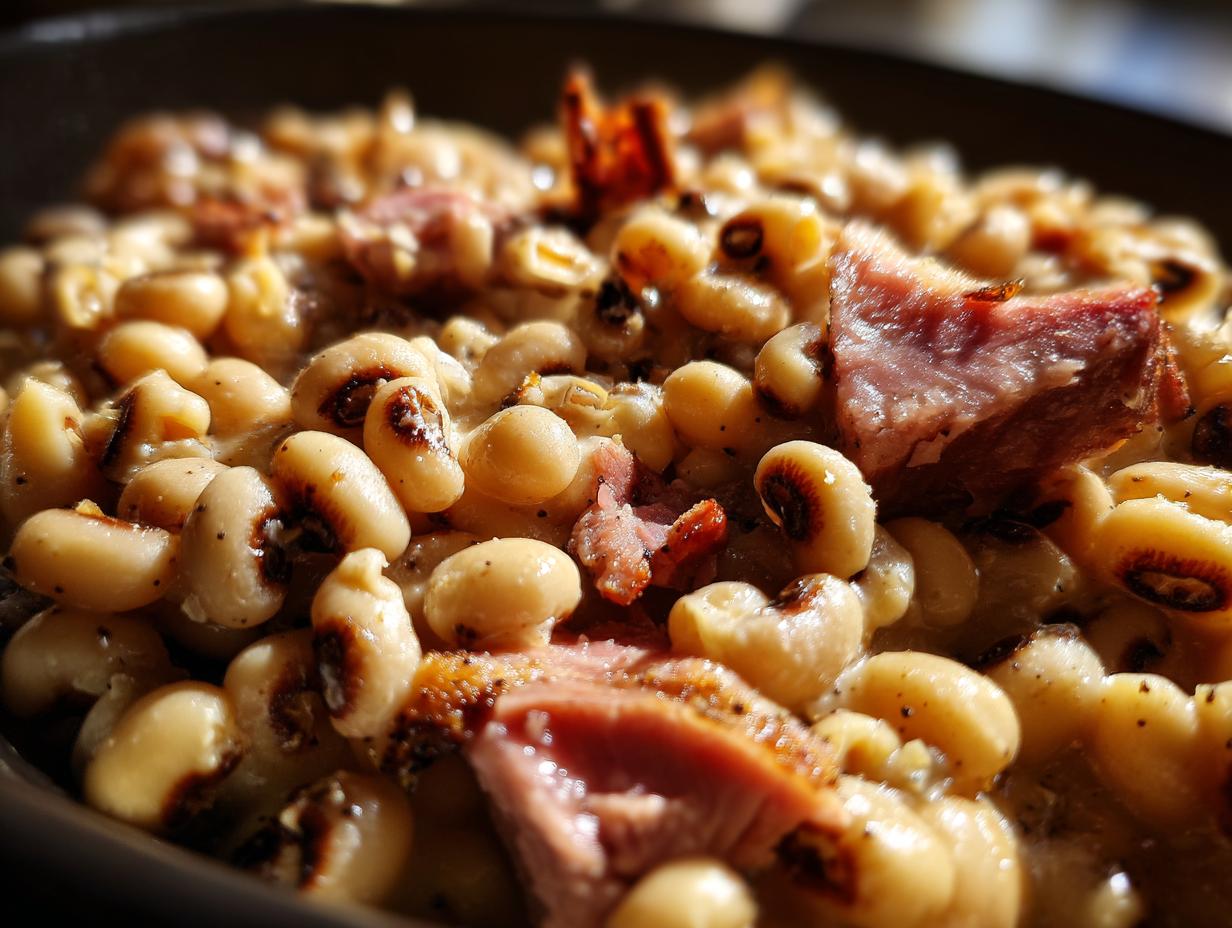
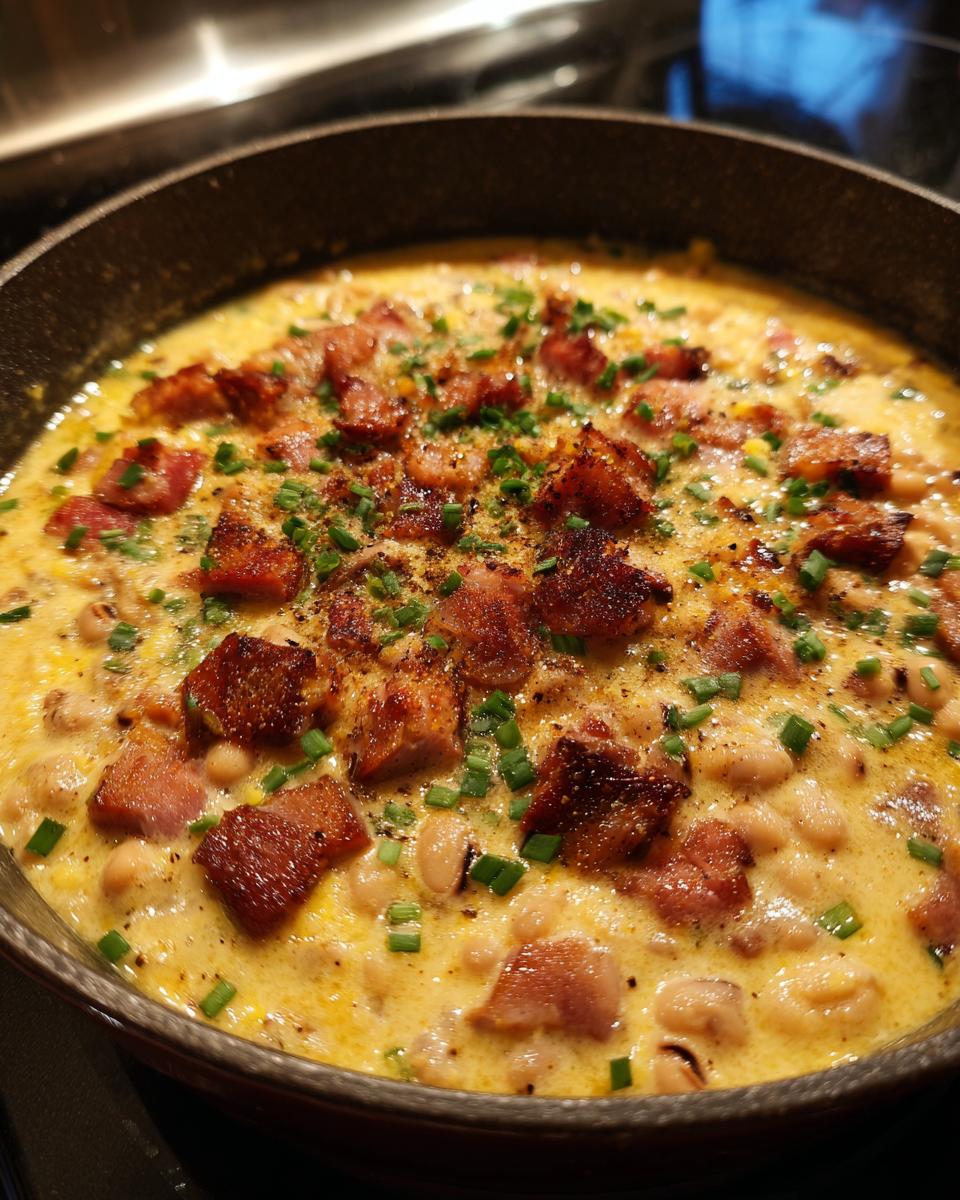
When I think about comfort, I immediately smell something smoky and rich simmering on the stove. That smell, my friends, is the essence of perfect, home-cooked black eyed peas. For so many of us, this dish isn’t just a side; it’s tradition, especially when that New Year’s Day clock strikes so we can snag some good luck for the year ahead! But let’s be honest, great flavor takes time. That’s why I’m sharing my secret way to make these Southern staples truly stand out. We get that deep, smoky flavor from a ham hock, but I’ve streamlined the process so you can still get that deeply satisfying, creamy black eyed peas texture without spending all day in the kitchen. Because that’s what Mia’s Meals is all about: simple food that brings people together.
- Why You Will Love This Southern Black Eyed Peas Recipe
- Ingredients for Classic Black Eyed Peas with Ham Hock
- How to Make Creamy Black Eyed Peas on the Stovetop
- Tips for Achieving Perfect Southern Black Eyed Peas
- Variations: Making Vegetarian Black Eyed Peas
- Serving Suggestions for Your Black Eyed Peas
- Storage and Reheating Instructions for Leftover Black Eyed Peas
- Frequently Asked Questions About Black Eyed Peas
- Estimated Nutritional Data for This Comfort Food Side Dish
- Share Your Experience Making These Black Eyed Peas
Why You Will Love This Southern Black Eyed Peas Recipe
I’ve made this Southern Black Eyed Peas Recipe dozens of times, and honestly, it never fails to impress. You don’t need to wait for a holiday either; this makes a phenomenal Comfort Food Side Dish any night of the week. Here’s why I think you’re going to save this one right away:
- Unbelievably Creamy Texture: We skip the tough, undercooked peas! A long, slow simmer breaks down just enough of the peas to create that velvety, thick pot liquor that makes Southern cooking so good.
- Deep, Smoky Flavor: Using a smoked ham hock (or turkey wing) is non-negotiable for me. It infuses every single pea with that wonderful, savory smokiness that canned versions just cannot replicate.
- True One Pot Magic: Everything goes into one big pot to start! This keeps your cleanup minimal, which is huge when you’re busy hosting or just want a simple weeknight meal.
- Honors Tradition: This is a fantastic New Year’s Day Recipe designed to bring prosperity! You get that authentic taste associated with the Good Luck Food Tradition without needing a complicated cookbook.
- Ready When You Are: Even though it takes a couple of hours, the hands-on time is maybe fifteen minutes total. It’s perfect for a slow weekend afternoon where you can let it bubble away quietly while you visit with family.
- Perfect for Pairings: These black eyed peas are fantastic served alongside my Southern Candied Yams or smothered in gravy!
Ingredients for Classic Black Eyed Peas with Ham Hock
When we talk about building flavor for these black eyed peas, the ingredients list is short but mighty. Remember, we are aiming for soulful comfort, so using quality components makes a huge difference. You’ll need to start with the dried peas, and please make sure you take a minute to sort them!
Here’s exactly what you need for this super Hearty Winter Peas Recipe:
- One pound of dried black eyed peas. This is important: make sure you rinse them really well and pick through them to remove any small stones or broken pieces you might find. Trust me, nobody wants a surprise crunch that isn’t perfectly cooked pea!
- Six cups of water or, if you want a little extra depth right from the start, low-sodium chicken broth.
- One smoked ham hock. This is our flavor centerpiece! If you’re doing the vegetarian route, we’ll talk about that later, but for the classic version, you need that smoky goodness. If you prefer poultry flavor, a smoked turkey wing works just as well—I sometimes swap it out if I’m making a slow cooker turkey breast later in the week and have an extra wing on hand.
- One medium yellow onion, finely chopped.
- Two celery stalks, chopped. I always say the trinity of onion, celery, and garlic is the secret base for almost all great Southern sides!
- Two cloves of garlic, minced super fine.
- One teaspoon of smoked paprika. This really boosts that smoky note we get from the ham hock.
- Half a teaspoon of dried thyme.
- One bay leaf. Don’t forget to take this out later!
- One teaspoon of salt, or just use salt to taste later on, since the ham hock adds a lot of seasoning naturally.
- Half a teaspoon of black pepper.
- One tablespoon of apple cider vinegar. This goes in at the very end, just to brighten everything up!
How to Make Creamy Black Eyed Peas on the Stovetop
Making truly creamy black eyed peas is a slow game, but my method keeps your activity low while the flavors build up beautifully in one pot. Forget fussing over every step; we’re aiming for rich, soulful results that whisper tradition. Just follow these steps for the best pot of peas you’ve ever made! This classic process ensures we get that deep, smoky flavor people rave about in a genuine Southern Black Eyed Peas Recipe.
Combining Ingredients and Initial Simmer for Black Eyed Peas
Grab your biggest, sturdiest pot or Dutch oven—this is where the magic happens! If you’ve ever made my one-pot sausage and rice skillet, you know I love a good all-in-one start.
- First up, toss in those rinsed and picked-over black eyed peas. Add your water or broth, that gorgeous smoked ham hock, the chopped onion and celery, minced garlic, smoked paprika, thyme, and the bay leaf. We want all those foundational flavors going in at once.
- Now, turn the heat up to high and bring the whole thing to a rolling boil. Don’t walk away just yet! We need that initial aggressive boil to get things moving before we settle in for the long haul.
Achieving Tender Black Eyed Peas and Flavor Infusion
This is the period where patience pays off big time. Resist the urge to constantly stir, but you can check in every 20 minutes or so!
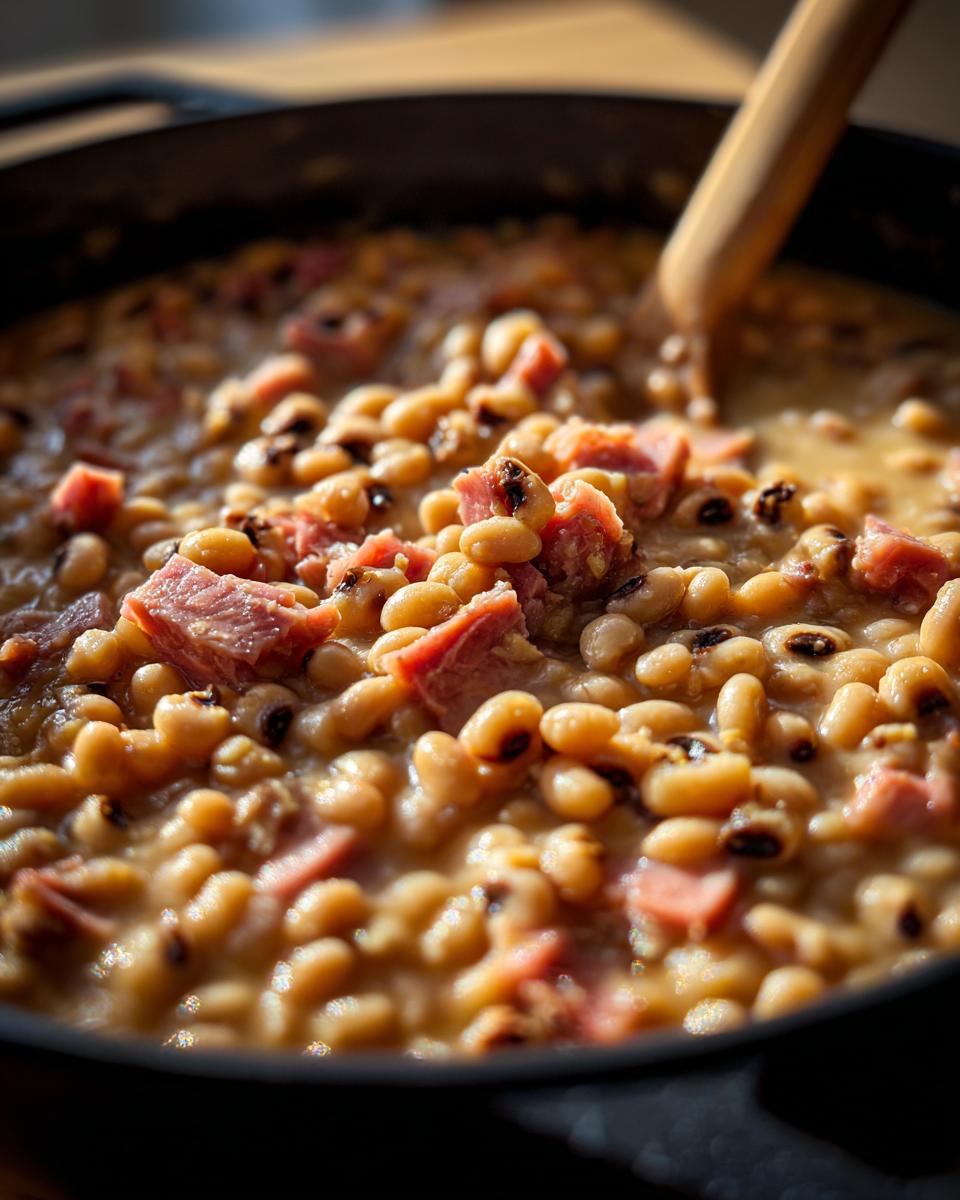
- Once it’s boiling nicely, bring that heat way, way down to low. Put the lid on securely and let it simmer slowly for anywhere from 1.5 to 2 hours. Keep checking it—you want the peas to be perfectly tender, soft, and starting to look nice and creamy. If you love a thick broth, give it a gentle stir now and then to help release some of that starch.
- When the time feels right, carefully pull out that ham hock and the bay leaf. You’ll need tongs for this part! Once it’s cool enough to handle, pull off all the yummy, smoky meat from the bone. Discard the bone, but put all that shredded meat right back into the pot with your black eyed peas with ham hock. Seriously, don’t skip shredding that meat—it’s flavor gold! Many folks love this deep flavor so much they make these every New Year’s; you can see how popular this deep flavor is right here.
Final Seasoning and Thickening the Black Eyed Peas
We are so close to serving time! A final touch of acid is what makes these peas sing.
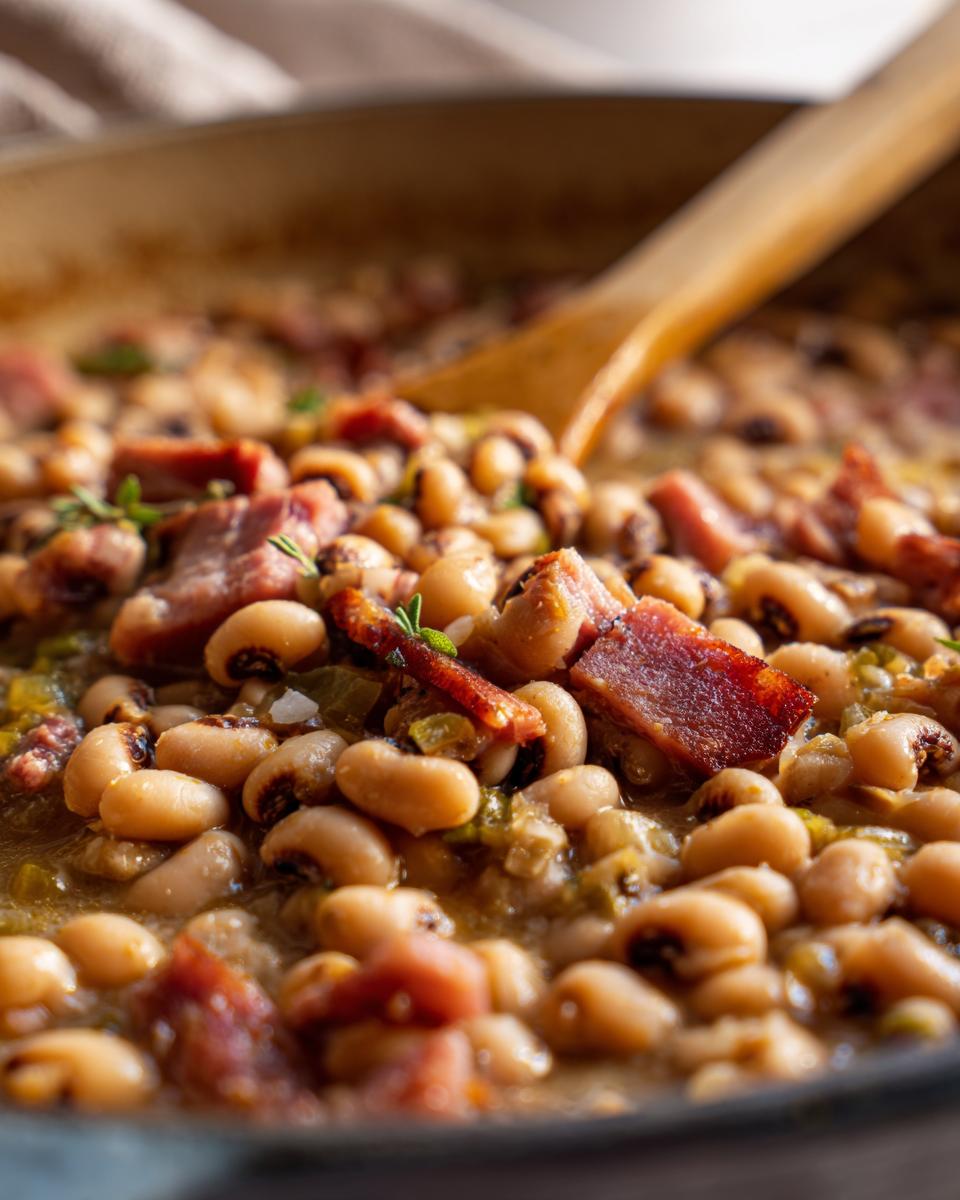
- Stir in your salt, pepper, and that tablespoon of apple cider vinegar. Give everything a good mix. Taste it here! Depending on how salty your hock was, you might need more salt or just a little more vinegar to brighten things up.
- Let it simmer uncovered for about 10 more minutes. This final little uncovered session helps the liquid reduce just a tiny bit so your final dish has that comforting, slightly thick gravy consistency instead of being too watery. This final simmer locks in the seasonings beautifully.
Tips for Achieving Perfect Southern Black Eyed Peas
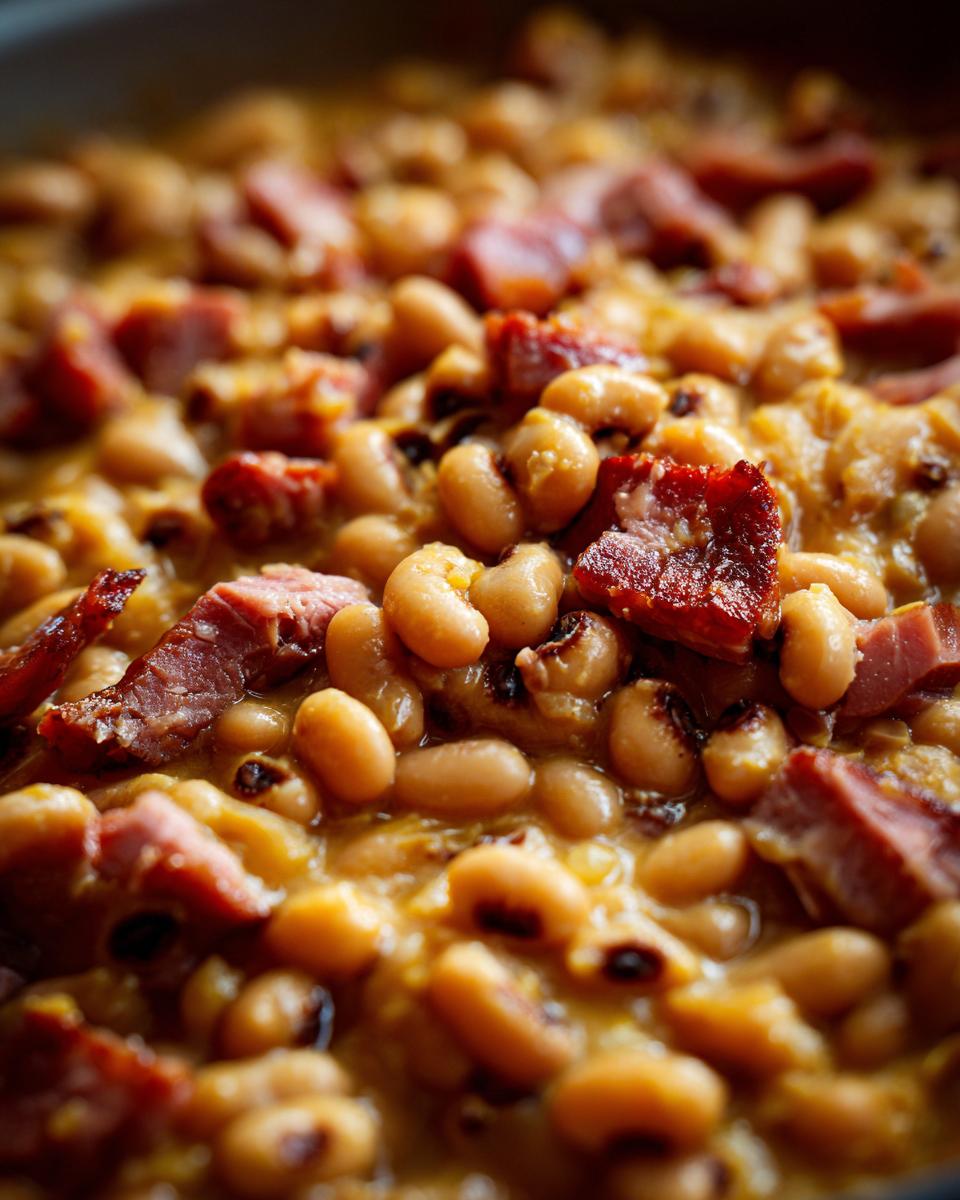
Cooking black eyed peas until they hit that perfect level of tender and creamy takes just a little bit of intuition beyond the recipe card. Since this is a Comfort Food Side Dish that people rely on for tradition, I want you to nail that texture every time. Don’t stress too much about the ham hock; I’ve got great swaps, but the long simmer is the real key here.
If your peas look a little too loose after the main simmer time, here is my little secret for instant thickness:
- Take about a quarter cup of the cooked peas—just scoop them out before you remove the ham hock—and mash them really well against the side of the pot with the back of your spoon. Stir those mashed bits back in. They dissolve beautifully and give you that luxurious, thick texture almost instantly!
- If you’re using canned peas instead of dried (I know, life gets busy!), make sure you add them in the last 20 minutes. They are already cooked, so boiling them for two hours will turn them into mush, and we want whole, tender peas, not paste.
- For an excellent side idea that pairs perfectly with these savory peas, try roasting up some garlic parmesan broccoli. The freshness balances the richness beautifully!
Also, if you’re looking for other great one-pot inspirations for winter legumes, check out this resource on the best black eyed peas recipe for flavor building tips.
Variations: Making Vegetarian Black Eyed Peas
I get asked all the time how to make this recipe work without the ham hock, especially for folks who aren’t eating meat or maybe just don’t have a hock handy. Trust me, you absolutely, positively can make these black eyed peas just as smoky and flavorful using vegetable broth instead!
The primary swap is easy: ditch that ham hock and use six cups of good quality vegetable broth. Since we’re losing that natural smoky foundation the pork provides, we have to compensate with spices. This is where we get creative!
I recommend adding an extra half teaspoon of smoked paprika—so you’d use 1.5 teaspoons total. That helps bring back that deep, slow-cooked aroma. But if you really want that blast of authentic flavor without meat, grab a bottle of liquid smoke.
Seriously, just half a teaspoon of liquid smoke goes a long way! It infuses that woodsy, smoky flavor right into the broth while the peas simmer. Remember, the goal is rich, savory, and maybe a little bit hearty, even if it’s only using veggies. It’s still going to be tender and delicious, perfect for serving up alongside my famous creamy roasted butternut squash soup on a cold night!
Serving Suggestions for Your Black Eyed Peas
Okay, so you have this incredible pot of smoky, tender black eyed peas simmering away—now what do we serve with them? In my family, these peas are never eaten alone! They are the centerpiece of a Southern comfort platter, and pairing them right is almost as important as the cooking itself.
For me, there are three things that always show up when I serve these, especially if it’s nearing New Year’s Day, because we all want that good luck charm on our plate!
First, you absolutely cannot skip the cornbread. I mean it! A slightly sweet, crumbly cornbread is perfect for soaking up every last bit of that flavorful, thick cooking liquid, which we affectionately call ‘pot liquor.’ I’m perfecting a super easy cornbread recipe now, but any classic recipe will do the trick. Just have it ready to tear apart while the peas are still piping hot.
Next, you need some greens. Collard greens are the traditional choice, seasoned simply with a little vinegar and maybe some of that leftover smoked meat if you used it. They add a beautiful earthy balance against the richness of the peas.
If you’re serving this as part of a bigger dinner, these black eyed peas pair universally well with simple, roast-style proteins. My easy baked Caesar chicken works surprisingly well because the bright, herb-y flavors cut through the smoke. Or, honestly, keep it totally classic with some simple baked ham or crispy fried chicken. Whatever you choose, make sure there’s room on the plate for a big spoonful of those savory legumes!
Storage and Reheating Instructions for Leftover Black Eyed Peas
Oh, leftovers! These are definitely one of those dishes that are even better the next day, aren’t they? They just deepen and get silkier overnight. When you’re done enjoying your black eyed peas, you need to treat them right so they taste just as good when you pull them out tomorrow.
First things first: you have to let them cool down a little bit before you seal them up. Letting hot food cool on the counter for about 30 minutes before putting them in the fridge is really important for food safety, even though it pains me to wait when they smell this good!
Make sure you remove that bay leaf completely before storing, and if you haven’t already, shred any leftover meat you might have left attached to the ham hock bone. You want everything ready to go for quick reheating.
Storing Your Leftover Black Eyed Peas
Pop your cooled peas into an airtight container. I prefer glass containers because they don’t seem to hold onto odors, but honestly, any sturdy container works fine. If stored correctly in the refrigerator, these wonderful Soul Food Legume Recipes will taste fantastic for up to four days. Seriously, four full days of easy, lucky goodness!
If you made a massive batch, like I usually do because it’s easier than making a small one—and if you want them to last longer than four days—you can absolutely freeze them! Separate them into single-serving portions before freezing in freezer-safe bags or containers. They hold up really well in the freezer for about three months, which is handy for realizing later that you need a quick option for a side dish.
The Best Way to Reheat Black Eyed Peas
When you’re ready to eat them again, reheating on the stovetop is always my top recommendation for getting back that creamy texture we worked so hard for. Transfer them to a saucepan over medium-low heat. Stir them gently every couple of minutes so they don’t scorch on the bottom.
Here’s the crucial part: dried peas absorb liquid as they sit, even in the fridge. If your leftover peas look a little too solid or thick when you start heating them, just splash in a little bit of water or broth—maybe a quarter cup at a time—until they get back to that perfect, loose gravy consistency. Don’t overheat them, though; just warm them through gently until they are steaming hot.
If you’re in a real rush and need them fast, the microwave works too, but keep stirring every 45 seconds or so. This keeps the peas from overheating in spots and helps them re-emulsify nicely. Think of it as a quick way to bring back the richness. You can use any leftovers to make a quick Hoppin John Recipe later by stirring in some leftover rice!
Frequently Asked Questions About Black Eyed Peas
I get so many questions about adjusting this beloved recipe, which is great because it means you’re excited to make these black eyed peas for your family! Whether you’re making them last minute or planning ahead for tradition, these little answers should help you get that perfect pot every time. I’ve tried to make this a truly Easy Black Eyed Peas method, but sometimes the dried beans need a little extra love.
Do I need to soak dried black eyed peas before cooking?
This is the age-old question, isn’t it? For this specific recipe, because we are cooking them for a good long time—we’re talking almost two hours with that ham hock flavor—you actually do not *have* to soak them. Rinsing and picking them over is the most important mandatory step! However, if you are short on time for the simmer (maybe you only have an hour), soaking them overnight really helps them soften faster and guarantees that ultimate tenderness. If you soak them, you might shave 30 minutes off the cook time!
Can I make this a Hoppin John Recipe?
That is such a fun idea, and obviously! A classic Hoppin John Recipe is essentially just **black eyed peas** served *with* rice, or sometimes the rice is cooked right in with the peas. Since my recipe is designed to produce a rich, thick pot liquor, you just add perfectly cooked white rice at the very end. After you’ve removed the ham hock and adjusted your seasonings, stir in about two cups of cooked long-grain white rice. Let it simmer uncovered for about 10 minutes so the rice soaks up all that smoky flavor. It turns your side dish into a fantastic, hearty main course! If you want more ideas on making this dish for prosperity, check out this classic take on the tradition here.
What is the secret to making them taste smoky if I skip the ham hock?
We talked about the vegetarian swap earlier, but if you’re just dodging pork for a day, the smoked paprika and a touch of liquid smoke are your best friends. When you use vegetable broth and add those smoky enhancers, you get a dish that still honors the New Year’s Day Recipe tradition for good luck without relying on meat. They won’t have the *exact* same depth as the ham hock version, but they will still be wonderfully savory and creamy.
Why does my pot liquor seem too thin?
Don’t panic if it looks thin initially! That’s why we simmer them uncovered for those final 10 minutes. The longer they simmer without a lid after the peas are tender, the more the starch releases and thickens the liquid. If you’re really impatient—I won’t judge!—remember that little trick I shared: mash a small scoop of the cooked peas against the side of the pot and stir them in. That instant starch thickens it right up! This works great for making sure your final side dish isn’t watery.
For more baking inspiration once your savory side is done, you can always check out my apple strudel recipe!
Estimated Nutritional Data for This Comfort Food Side Dish
When we talk about making food that brings comfort and tradition into our homes, flavor is usually front and center, right? But because I want you to feel good about serving these black eyed peas every time, I pulled the estimated nutritional facts right from the recipe testing. Keep in mind, since we are relying on a real, smoked ham hock, the exact sodium level can bounce around depending on how salty that specific piece of meat is!
These numbers are based on a single serving size of about one cup, which is a really hearty portion for a Comfort Food Side Dish. Here is what we are looking at:
- Serving Size: 1 cup
- Calories: Around 280
- Fat: 5 grams (Mostly unsaturated fat, which is great!)
- Saturated Fat: Just 1 gram
- Protein: A solid 18 grams—these peas are filling!
- Carbohydrates: 45 grams
- Fiber: Wow, 14 grams! That is fantastic for gut health.
- Sugar: Only 2 grams, mostly natural sugars from the peas themselves.
- Cholesterol: Approximately 15 mg
- Sodium: Roughly 450 mg (This is highly variable depending on your ham hock or broth)
See? This is substantial food that sticks to your ribs, great for a cold day. And if you’re serving a smaller portion, maybe just a dollop next to some greens, your numbers will obviously be lower. This recipe truly captures the spirit of soulful eating without being overly heavy, even with that smoky richness. If you’re looking for a sweet finish after eating these savory peas, you’ve got to try my maple brown sugar cookies!
Share Your Experience Making These Black Eyed Peas
I feel like cooking is a conversation, and I never want ours to end! I truly hope this straightforward, one pot black eyed peas method gives you the same cozy, familiar feelings it gives me every time I make it. Since this dish is such a cherished piece of southern tradition, I am just dying to know how it turned out at your table!
Did you use the smoked ham hock, or did you try my vegetarian black eyed peas version? Honestly, there’s no wrong way to enjoy this lucky supper.
When you get a moment, please come back and leave a quick star rating right here on the recipe cards above. It helps me know if this is providing the simple, dependable results I aim for here at Mia’s Meals. And if you have a spare second, tell me how you served your black eyed peas! Were they next to collards? Did you make a big pot of Hoppin John Recipe by adding rice? Or maybe you just had them with a massive hunk of warm cornbread?
Hearing from you truly makes my day and keeps this community feeling connected. If you have questions when you’re in the middle of cooking, please don’t hesitate to reach out to me via my contact page. Happy cooking, and I hope your year is filled with luck and good food!
PrintClassic Southern Black Eyed Peas with Ham Hock
Make rich, smoky Southern Black Eyed Peas that bring comfort to your table. This recipe uses a ham hock for deep flavor, resulting in creamy, tender peas perfect for a hearty side dish or New Year’s tradition.
- Prep Time: 15 min
- Cook Time: 120 min
- Total Time: 135 min
- Yield: 6 servings 1x
- Category: Side Dish
- Method: Stovetop Simmering
- Cuisine: American Southern
- Diet: Low Fat
Ingredients
- 1 pound dried black eyed peas, rinsed and picked over
- 6 cups water or low-sodium chicken broth
- 1 smoked ham hock (or 1 smoked turkey wing for an alternative)
- 1 medium yellow onion, chopped
- 2 celery stalks, chopped
- 2 cloves garlic, minced
- 1 teaspoon smoked paprika
- 1/2 teaspoon dried thyme
- 1 bay leaf
- 1 teaspoon salt (or to taste)
- 1/2 teaspoon black pepper
- 1 tablespoon apple cider vinegar
Instructions
- Place the rinsed black eyed peas, water or broth, ham hock, onion, celery, garlic, smoked paprika, thyme, and bay leaf into a large pot or Dutch oven.
- Bring the mixture to a boil over high heat.
- Once boiling, reduce the heat to low, cover the pot, and simmer for 1.5 to 2 hours, or until the black eyed peas are tender and creamy. Stir occasionally to prevent sticking.
- Remove and discard the ham hock and bay leaf. Shred any usable meat from the ham hock and return it to the pot. Discard the bone.
- Stir in the salt, pepper, and apple cider vinegar. Taste and adjust seasoning as needed.
- Simmer uncovered for another 10 minutes to allow the flavors to meld and the liquid to thicken slightly.
- Serve your Southern Black Eyed Peas hot, often paired with cornbread.
Notes
- For a vegetarian option, omit the ham hock and use 6 cups of vegetable broth. Add 1 teaspoon of liquid smoke or an extra 1/2 teaspoon of smoked paprika for smokiness.
- If you prefer a faster method, you can use 2 (15-ounce) cans of black eyed peas (drained and rinsed), adding them during the last 20 minutes of simmering.
- To achieve a creamier texture, mash about 1/4 cup of the cooked peas against the side of the pot and stir them back into the mixture.
Nutrition
- Serving Size: 1 cup
- Calories: 280
- Sugar: 2
- Sodium: 450
- Fat: 5
- Saturated Fat: 1
- Unsaturated Fat: 4
- Trans Fat: 0
- Carbohydrates: 45
- Fiber: 14
- Protein: 18
- Cholesterol: 15