

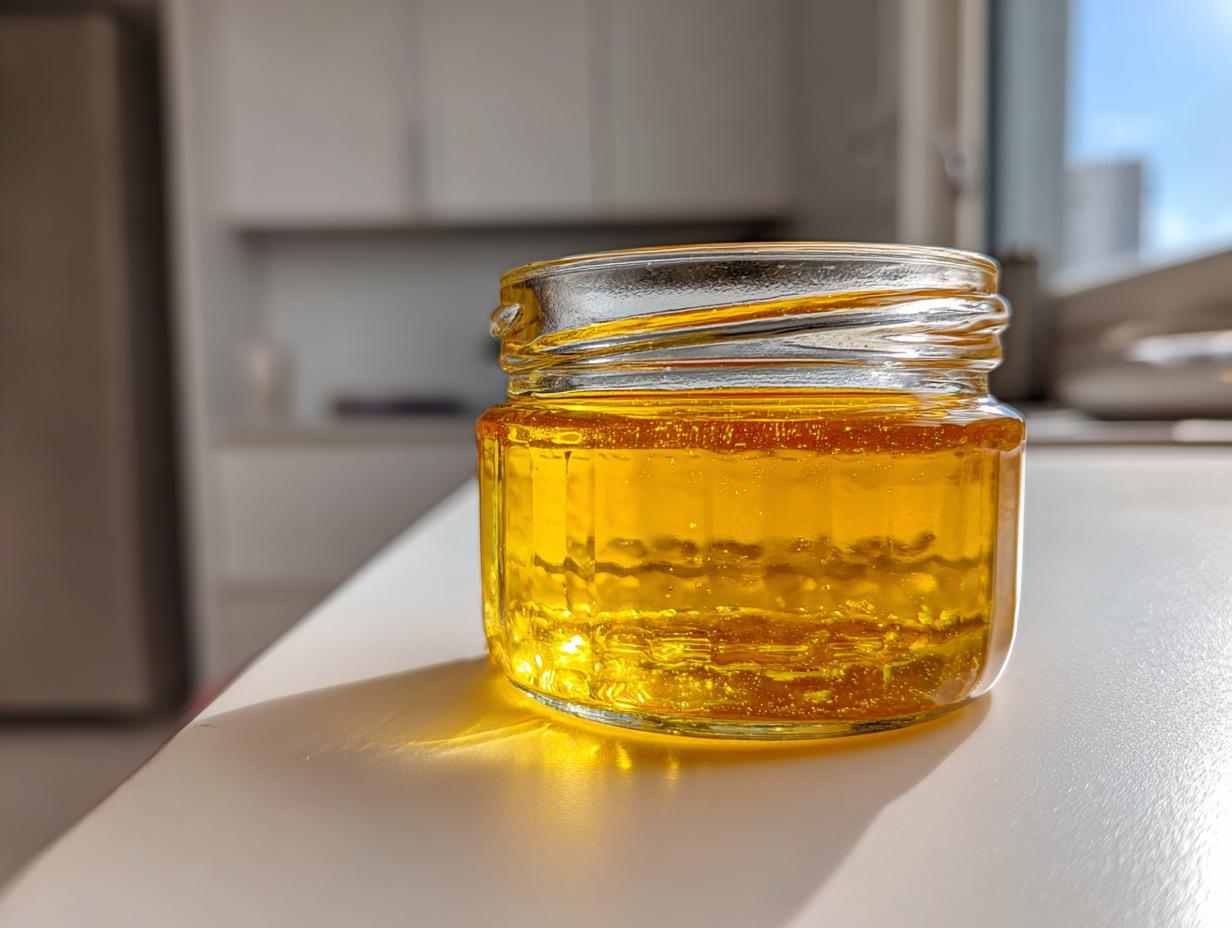
When spring finally bursts open here in Ohio, the first thing I look for aren’t tulips or daffodils—it’s those cheerful little yellow heads popping up everywhere! Sure, some folks see weeds, but I see nature’s little gold mines, especially when I’m dreaming up ways to make our meals just a little more connected to the earth. If you’re looking for a totally unique, vegan-friendly way to sweeten things up, you absolutely have to try making your own Dandelion Honey. Trust me, this simple process transforms those humble petals into a rich, golden syrup that tastes surprisingly close to the real thing. Here at Mia’s Meals, we’re all about transforming simple, wholesome ingredients—you can read more about my philosophy right here—and turning something we usually mow over into a gourmet natural sweetener? That’s pure connection right there!
- Why You Need This Recipe for Dandelion Honey
- Gathering and Preparing Dandelions for Dandelion Honey
- Ingredients for Your Dandelion Honey Recipe
- Step-by-Step Instructions: How to Make Dandelion Syrup
- Tips for Perfect Dandelion Honey Substitute
- Creative Uses for Your Homemade Vegan Honey
- Storage and Preserving Dandelions
- Frequently Asked Questions About Dandelion Honey Recipe
- Nutritional Estimate for Dandelion Honey
- Nutritional Estimate for Dandelion Honey
Why You Need This Recipe for Dandelion Honey
Honestly, I’m obsessed with this syrup because it ticks every box for simple, joyful cooking. It’s not just a fun spring project; it’s genuinely useful! When you’re done, you have something you can use all year long. Forget relying on the store!
- It’s a fantastic Homemade Vegan Honey substitute, perfect for everyone at the table.
- You connect directly with nature by using foraged ingredients—that feeling of making something from scratch is unbeatable.
- It’s technically a simple syrup, meaning the process is straightforward and doesn’t require any fancy techniques.
- The lemon juice and sugar create a rich texture that makes it a wonderful Natural Sweetener from Flowers.
Gathering and Preparing Dandelions for Dandelion Honey
Okay, listen up, because this is the most important part of the whole process: where and when you pick these beauties! You absolutely must avoid dandelions growing by the roadside or anywhere that might spray chemicals. I only pick mine from the back corner of my yard where the dog doesn’t go and I know we haven’t treated the lawn in years. For the best flavor and color in your syrup, follow my best Dandelion Harvesting Tips: pick them on a sunny day, after the morning dew has completely dried off, but strictly before noon. You want those flowers wide open and soaking up the sunshine!
Also, be diligent when cleaning them! We only want the sunshine yellow petals. You need four very packed cups of just the petals, so get ready for some tedious work separating them from the green base. Trust me, those green bits will make your beautiful syrup taste bitter, and we absolutely don’t want that when we are trying to capture pure spring flavor.
Equipment Needed for Making Dandelion Honey
Since we are making a syrup that needs to be nice and smooth, having the right gear makes things so much easier. Don’t scramble around looking for these things at the last minute!
- One large, non-reactive saucepan (no aluminum, please—it stains!)
- A fine-mesh sieve
- Cheesecloth to line that sieve
- A reliable candy thermometer (this is a lifesaver!)
Ingredients for Your Dandelion Honey Recipe
Getting the measurements right here is half the battle, just like with any good baking project. Since we are relying on the natural components of the flower, precision matters so we get that gorgeous, thick texture we are aiming for. You’ll be surprised how much sugar goes into transforming those delicate petals, but that’s what helps us get that honey-like consistency and allows for great drizzling later on!
Here is exactly what you need in your pantry for this batch. Remember, this recipe makes about three cups, which is perfect for keeping sealed in the pantry for months!
You will need:
- 4 cups packed dandelion flower heads (and I mean packed! Make sure you are using only the yellow petals here, not the green bits).
- 4 cups good old granulated sugar. Don’t try swapping this for something else unless you reinvent the entire cooking time, which isn’t worth the risk!
- 3 cups plain water—tap water is fine if it tastes good to drink.
- 1 large, bright yellow lemon. You need to juice this—we are looking for about 1/4 cup of fresh juice to give our syrup the needed acid balance.
Step-by-Step Instructions: How to Make Dandelion Syrup
Okay, now for the fun part! This is where those precious petals turn into something magnificent. If you follow these steps exactly for How to Make Dandelion Syrup, you won’t end up with flowery tea; you’ll get that thick, golden substitute we are looking for. Don’t rush the cooking times, or you’ll spend all that time picking petals for nothing!
Simmering the Petals and Extracting Flavor
First, get your clean petals, the water, and that fresh lemon juice into your saucepan. Bring that big pot up to a boil over medium-high heat. Once it starts bubbling vigorously, drop the heat right down—we want a gentle, happy little simmer for 30 minutes. You’ll know it’s working because the water will turn a beautiful, sunny yellow color, soaking up all that flower essence. After the simmer time is up, take it off the heat. Now, the critical straining step! Line your sieve with cheesecloth and pour everything through. You have to press on those spent petals really hard to get every last drop of liquid out. Seriously, squeeze that cheesecloth like you mean it, and then toss those solids—we don’t want any bitterness in our final product.
Achieving the Perfect Syrup Consistency for Dandelion Honey
Back into the clean pot goes that lovely strained liquid, right along with all 4 cups of that granulated sugar. Put it back on medium heat and stir constantly until that sugar is completely dissolved—you shouldn’t feel any grittiness on the bottom of the pan or your spoon. Once it’s dissolved, you bring it up to a steady, rolling boil. This is where the magic thickens! If you have a candy thermometer, aim for 220 degrees Fahrenheit. If you don’t have one—and I totally get it, sometimes they hide in the junk drawer—just drop a bit of the syrup onto a plate you chilled in the freezer. If that drop sets up fast and thickens without spreading too far, you are good to go! This usually takes about 20 to 30 minutes of steady boiling. I use the same concept sometimes when making cranberry sauce to test for thickness! Don’t forget to skim off any foam before jarring.
Tips for Perfect Dandelion Honey Substitute
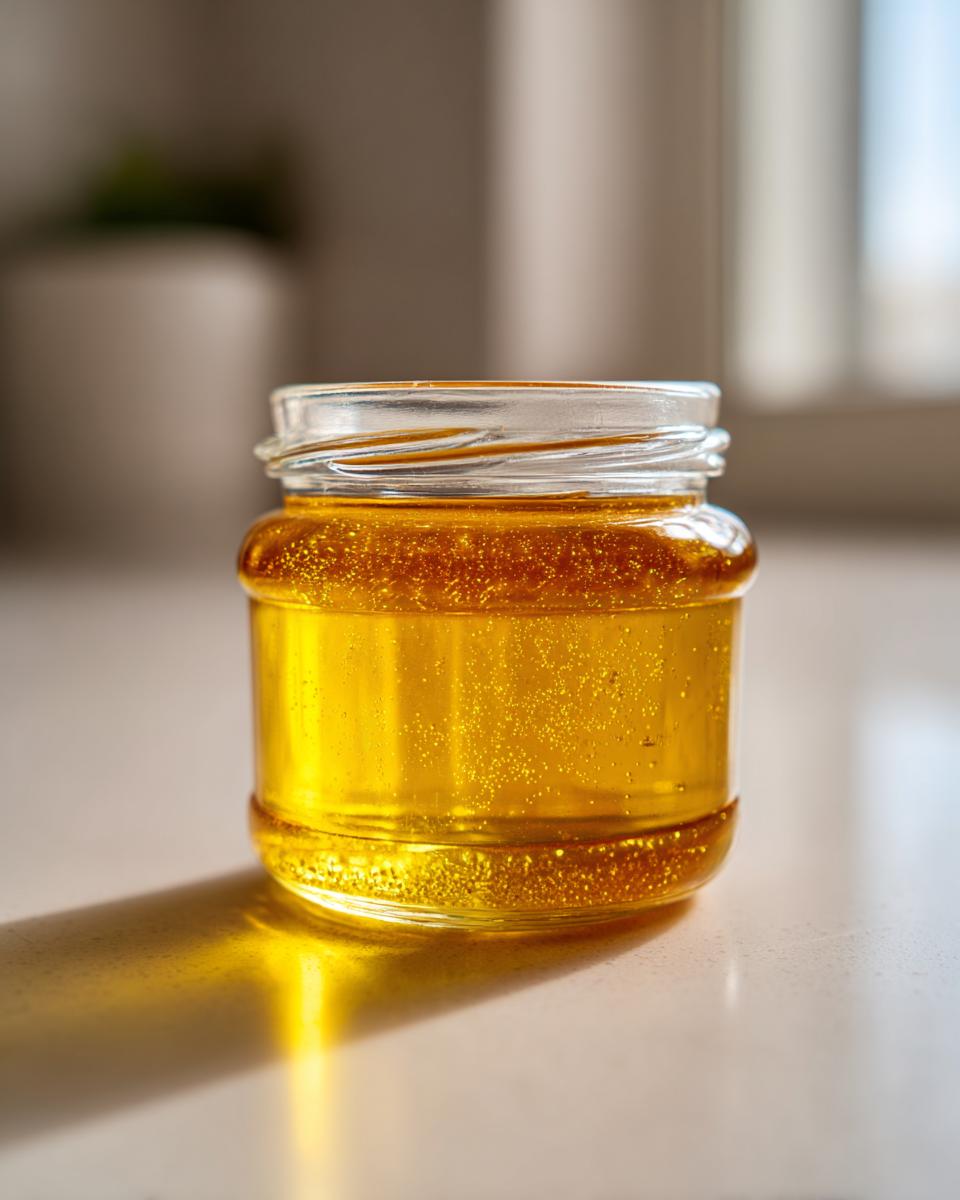
You’ve done the hard work of simmering and straining, so let’s make sure that jar of gorgeous Dandelion Petal Honey Substitute lasts and tastes amazing every time you use it. A little prep work before you store it goes a long way toward guaranteeing quality, whether you’re drizzling it over my roasted carrots or stiffening it up for baking.
My biggest tip, beyond picking on a sunny day, is remembering to sterilize your jars properly. Since this is a naturally preserved syrup, you want to make sure nothing is lingering in those jars to spoil your hard work. I just run my clean jars and lids through a hot cycle in the dishwasher and leave them in there until the syrup is ready to pour. That way, the jars are hot, and the syrup is hot—it creates a better seal!
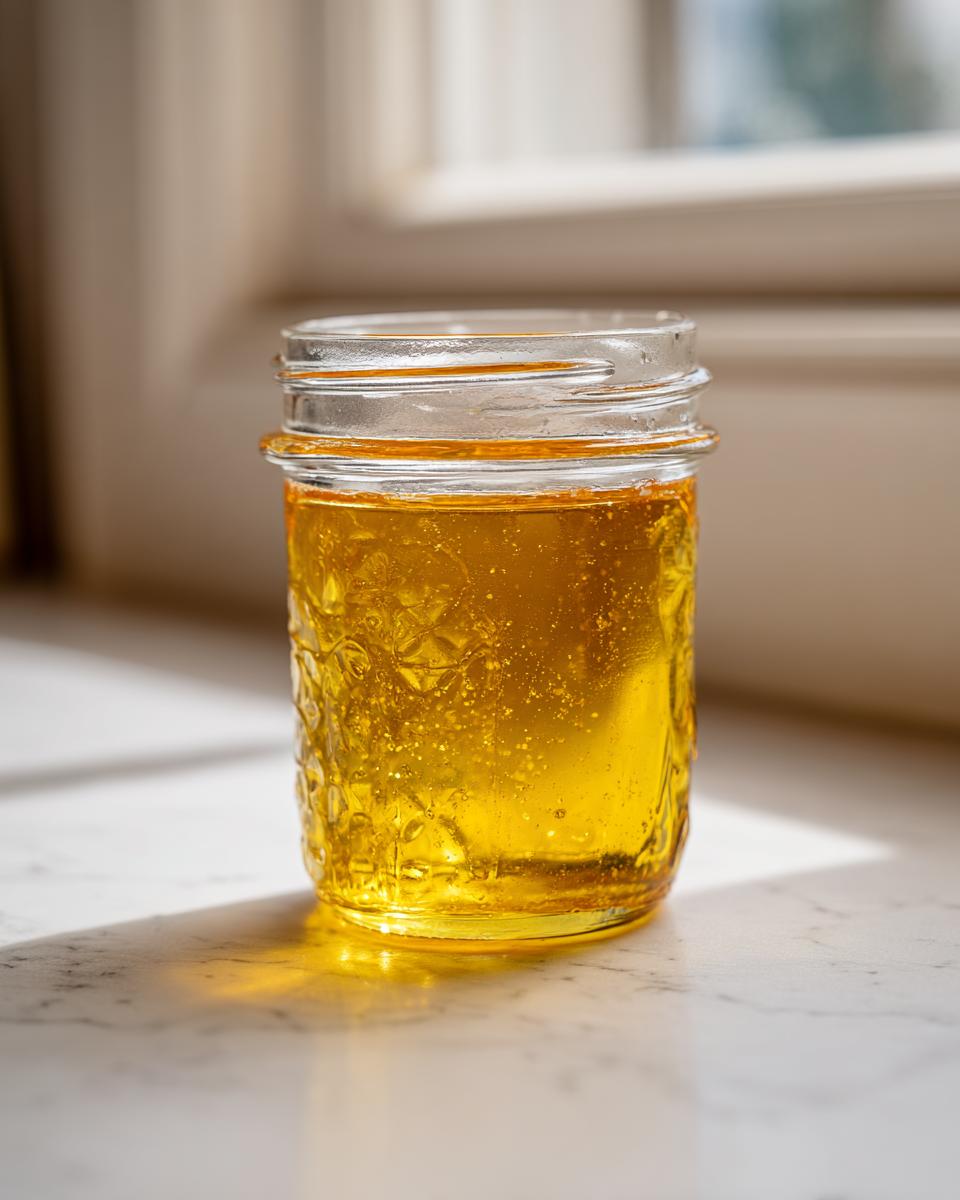
Another thing that always helps is skimming off that foam right after you take the syrup off the heat. It tends to look a little cloudy and can give the finished product a weird texture if you leave it in. A quick skim with a metal spoon, like I do when making sweet glazes, clarifies the top layer beautifully. It ensures that golden color stays perfectly translucent and inviting.
Finally, don’t be afraid to taste it just before you jar it up. If it tastes slightly too sweet, add just a tiny squeeze more lemon juice and stir it in quickly—it will cut that sweetness just enough. Since everyone’s dandelions have a slightly different flavor profile, a final taste check is your best friend!
Creative Uses for Your Homemade Vegan Honey
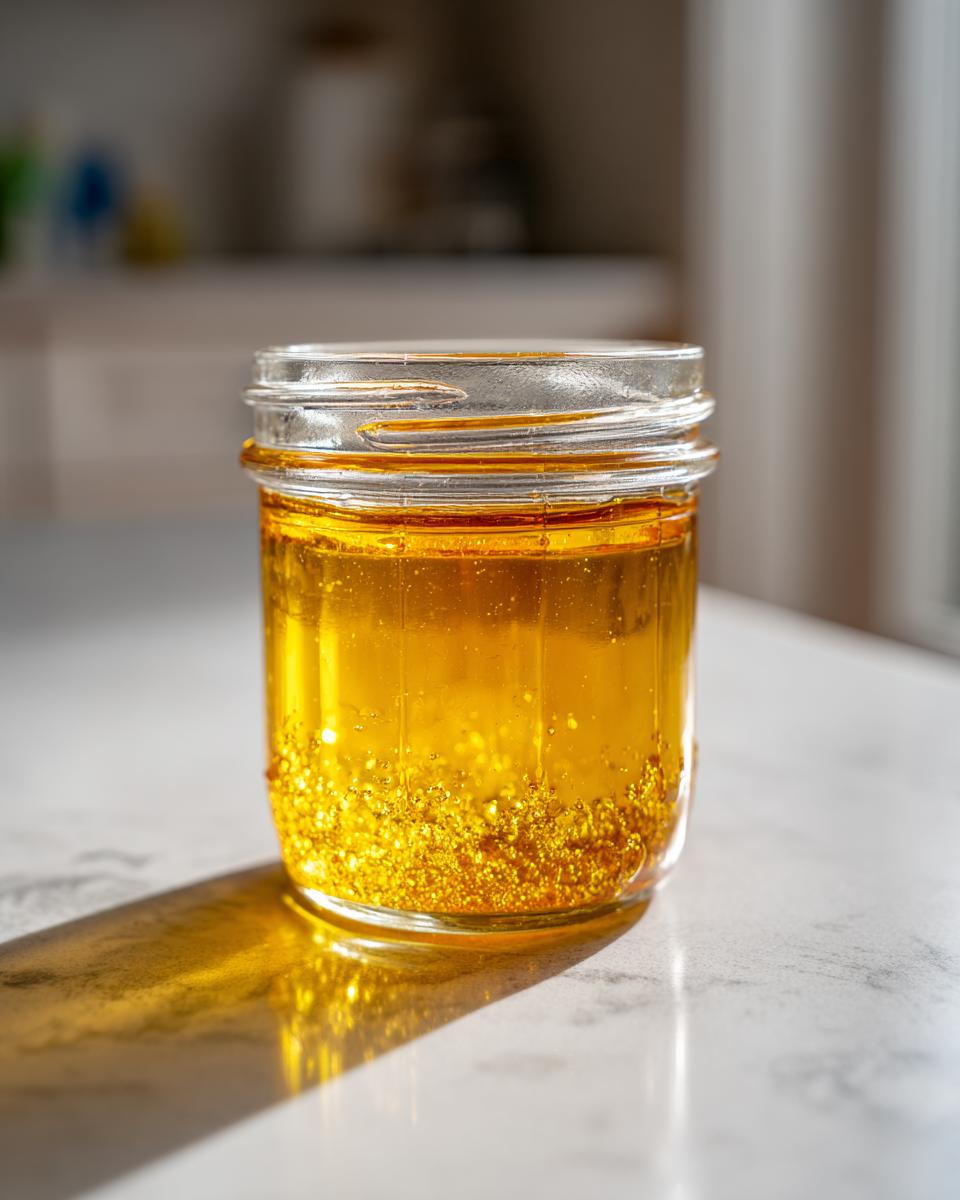
So now you have jars of this incredible, beautiful Natural Sweetener from Flowers! What do you even do with it besides stare at how golden it is? Well, the best part is that you can use it exactly like you would store-bought honey, but you get the satisfaction of knowing you made it yourself! It’s so versatile.
My favorite way to start the day is drizzling it generously over my morning stack of pancakes or waffles. It melts just perfectly. It also stirs beautifully into a warm cup of herbal tea when you need a soothing moment. And don’t forget about what you can do with it in the oven. I’ve been experimenting lately with swapping it into recipes where I normally use maple syrup or honey. Trying out Baking with Dandelion Honey is seriously fun—it gives baked goods a delicate, floral note the kids absolutely go wild for!
Storage and Preserving Dandelions
Now that you’ve gone through all the hard work of making this beautiful syrup, we need to talk about keeping it safe and tasting fresh for as long as possible. Good food storage is part of my simple philosophy here at Mia’s Meals—no need to waste any of that hard-earned flavor!
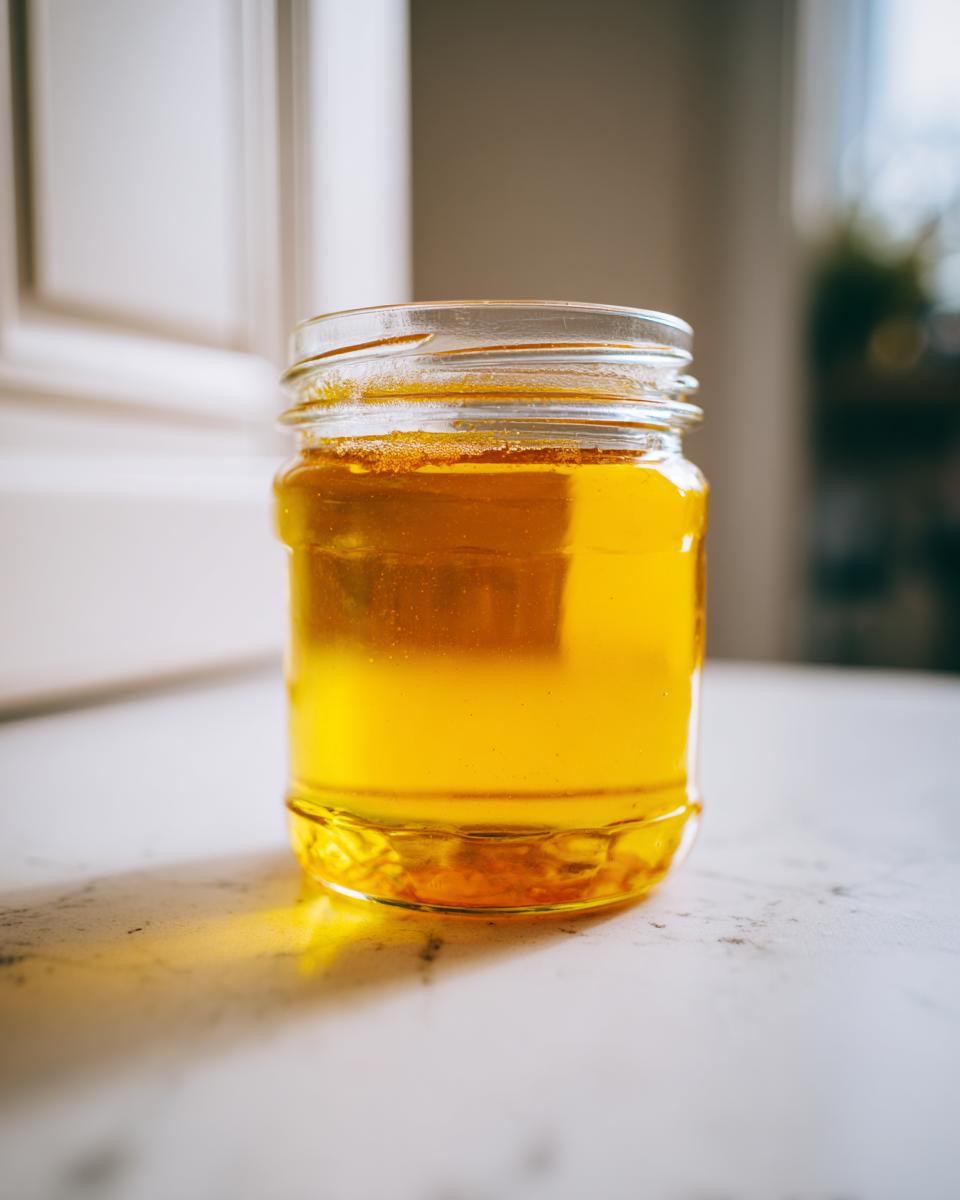
The great news about Preserving Dandelions this way, thanks to all that sugar and lemon juice, is that it has a long shelf life when sealed properly. If you followed the steps and poured that hot syrup into those hot, sterilized jars, you should get a great vacuum seal. For sealed jars, you can safely store your Dandelion ‘Honey’ in a cool, dark pantry—like a cupboard away from the oven heat—for up to a full year. It’s shelf-stable, which is just fantastic!
However, once you break that seal and open a jar, the rules change a little bit. You need to treat it like any high-quality, homemade fruit syrup or jam. Which means, pop that open jar right into the refrigerator immediately! Once opened, it’s best to use it up within a month or two to ensure you’re getting the freshest flavor possible. It should stay thick and gorgeous in the fridge, but keeping it cold prevents any funny business from trying to spoil your beautiful batch!
Frequently Asked Questions About Dandelion Honey Recipe
I get so many questions when people try making this for the first time, and that’s wonderful! It just means everyone is excited to bring a little bit of springtime magic into their pantry for dipping into later. Since this is a foraged product, there are always a few key procedural questions people have. Let’s tackle the most common ones so your adventure in making this Dandelion Honey Recipe goes smoothly!
Is this Dandelion Honey safe to eat if I used store-bought flowers?
Oh, please, no! I cannot emphasize this enough: only use flowers you have personally harvested from an area you *know* is completely free from any chemical treatments. Store-bought dandelions, or even those from a roadside patch, are likely sprayed with herbicides or pesticides, and you absolutely cannot boil those toxins away!
For the safety of your family, only use flowers from a clean, verified spot in your own yard or a wild area you trust completely. We’re aiming for a wholesome, natural sweetener from flowers, not a chemical experiment! Safety always comes first when you are relying on what you forage for your morning breakfast.
Can I skip the lemon juice in the Dandelion Syrup?
You *could*, but I really, really advise against it! The lemon juice isn’t just for flavor, although it does add a lovely little brightness that cuts through the sugar. Its real job is actually technical: it acts as an acid. That acid is what helps your syrup reach the proper consistency and prevents it from crystallizing too quickly, which would ruin that lovely honey texture. Without it, you might end up with a grainy mess instead of smooth Homemade Vegan Honey, and nobody wants that!
What if I don’t have a candy thermometer?
Don’t panic if you don’t have a specialized tool! I mentioned it briefly before, but this is worth repeating for anyone planning to make this Simple Syrup from Dandelions: the cold plate test is your backup plan. Before you even start cooking, put a small saucer or plate into the freezer. When you think your syrup is done boiling, take the plate out, drop one small spoonful of the mixture onto the cold surface, and watch it closely. If it thickens almost immediately and doesn’t run when you tilt the plate, you’ve hit that perfect point, and you should turn the heat off!
Can I use different flowers, like clover, instead?
That is such a fun question! Yes, absolutely. This basic method for Making Syrup from Dandelions works beautifully for many other edible, safe flowers. Clover blossoms, lilacs (use caution with those, they are potent!), or even rose petals can be substituted if you stick to the right measurement quantities. Just remember that whatever flower you use will vastly change the final flavor profile. Dandelion is earthy and distinct; clover is milder. It’s a great way to experiment with Foraged Flower Syrups throughout the spring season.
Nutritional Estimate for Dandelion Honey
Since this is predominantly made up of sugar and water, the nutrition information is pretty straightforward, but I always like to share what I find so you know exactly what you are using to sweeten your tea or your baked goods. Keep in mind that since we are using freshly foraged ingredients, these numbers are an approximation based on the yield listed in the recipe!
For a serving size of about 1/4 cup of the finished syrup:
- Calories: Approximately 800 (Yes, it’s high, but remember this is the bulk sugar!)
- Sugar: Around 200 grams
- Total Fat: 0g
- Protein: 0g
- Carbohydrates: Around 200g
It’s mostly for enjoyment and natural flavoring, not major nutritional impact, so enjoy it in moderation over your yogurt or toast!
Nutritional Estimate for Dandelion Honey
Since this is predominantly made up of sugar and water, the nutrition information is pretty straightforward, but I always like to share what I find so you know exactly what you are using to sweeten your tea or your baked goods. Keep in mind that since we are using freshly foraged ingredients, these numbers are an approximation based on the yield listed in the recipe!
For a serving size of about 1/4 cup of the finished syrup:
- Calories: Approximately 800 (Yes, it’s high, but remember this is the bulk sugar!)
- Sugar: Around 200 grams
- Total Fat: 0g
- Protein: 0g
- Carbohydrates: Around 200g
It’s mostly for enjoyment and natural flavoring, not major nutritional impact, so enjoy it in moderation over your yogurt or toast!
PrintHomemade Dandelion ‘Honey’ Syrup
Make a sweet, natural syrup substitute using foraged dandelion petals, sugar, and lemon juice. This recipe creates a vegan alternative to honey perfect for spreading or sweetening.
- Prep Time: 30 min
- Cook Time: 1 hour 10 min
- Total Time: 1 hour 40 min
- Yield: About 3 cups 1x
- Category: Sweetener
- Method: Stovetop Cooking
- Cuisine: American
- Diet: Vegan
Ingredients
- 4 cups packed dandelion flower heads (petals only)
- 4 cups granulated sugar
- 3 cups water
- 1 large lemon, juiced (about 1/4 cup juice)
Instructions
- Harvest dandelion heads in the morning after the dew has dried and before noon. Select flowers from areas you know have not been treated with pesticides.
- Separate the yellow petals from the green base of the flower heads. You need 4 packed cups of petals only. Discard the green parts.
- Combine the dandelion petals, water, and lemon juice in a non-reactive saucepan. Bring the mixture to a boil over medium-high heat.
- Reduce the heat to low and simmer gently for 30 minutes. The liquid will turn a deep yellow color.
- Remove the pan from the heat. Strain the liquid through a fine-mesh sieve lined with cheesecloth into a clean bowl. Press gently on the petals to extract all the liquid. Discard the solids.
- Return the strained liquid to the clean saucepan. Add the 4 cups of granulated sugar.
- Place the pan over medium heat and stir constantly until the sugar is completely dissolved.
- Bring the mixture to a rolling boil that cannot be stirred down. Continue to boil without stirring for 20 to 30 minutes, or until the syrup reaches 220 degrees Fahrenheit on a candy thermometer. The syrup will thicken as it cooks.
- Remove from heat. Skim off any foam that forms on the surface.
- Pour the hot syrup immediately into sterilized jars. Seal the jars tightly. Allow the syrup to cool completely before storing.
Notes
- For the best flavor, harvest dandelions on a sunny day when the flowers are fully open.
- If you do not have a candy thermometer, the syrup is ready when a drop placed on a cold plate thickens quickly.
- Store sealed jars in a cool, dark place for up to one year. Refrigerate after opening.
- This syrup is excellent for baking with dandelion honey or drizzling over pancakes.
Nutrition
- Serving Size: 1/4 cup
- Calories: 800
- Sugar: 200
- Sodium: 1
- Fat: 0
- Saturated Fat: 0
- Unsaturated Fat: 0
- Trans Fat: 0
- Carbohydrates: 200
- Fiber: 0
- Protein: 0
- Cholesterol: 0