

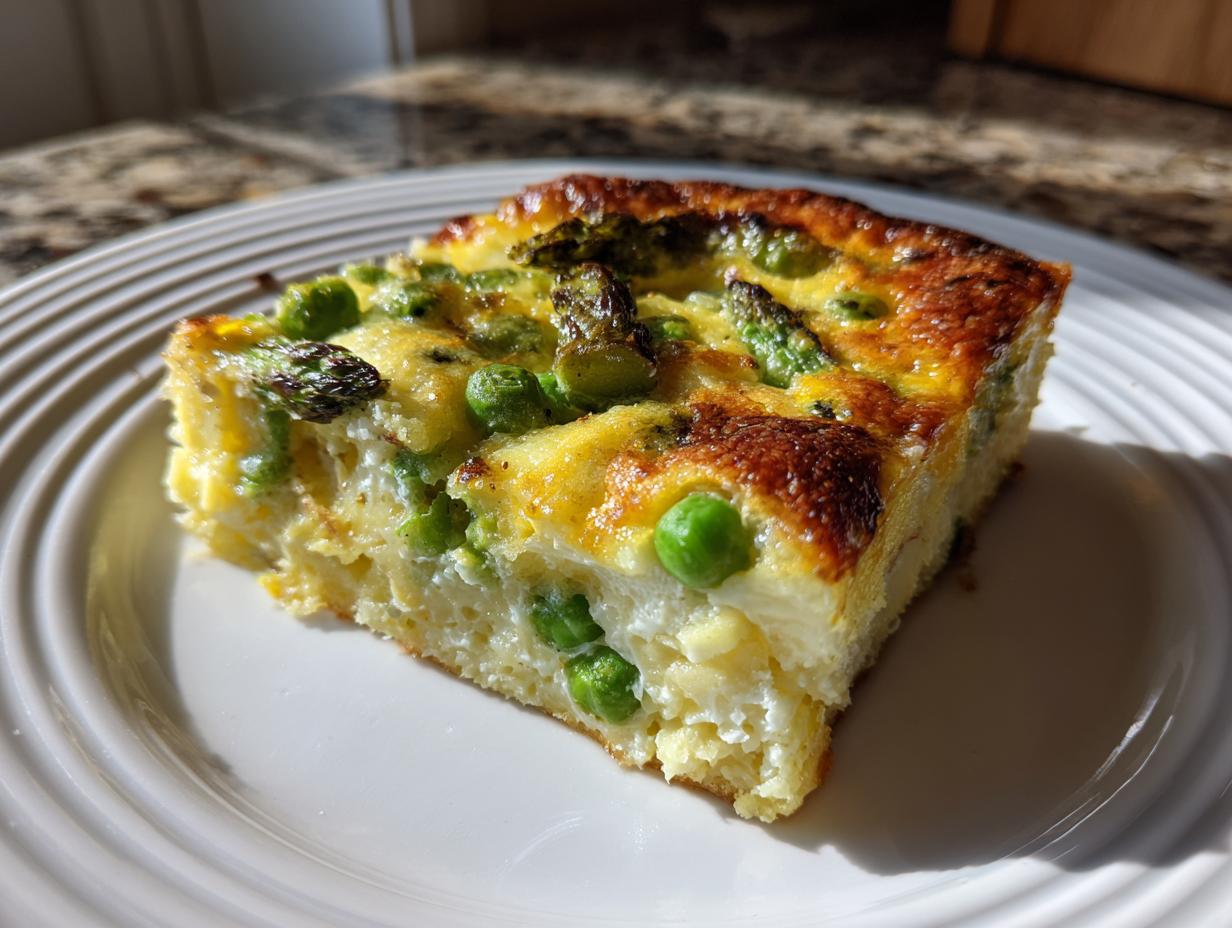
Oh, I just love when the weather starts to warm up, and you can smell the freshness in the air! That’s when I start ripping open the fridge looking for those first vibrant green shoots. There’s something so grounding about cooking with truly seasonal ingredients, isn’t there? It connects you right back to the garden, even if you just picked things up at the market. If you want to know more about why I cook the way I do, you can always read about my philosophy here.
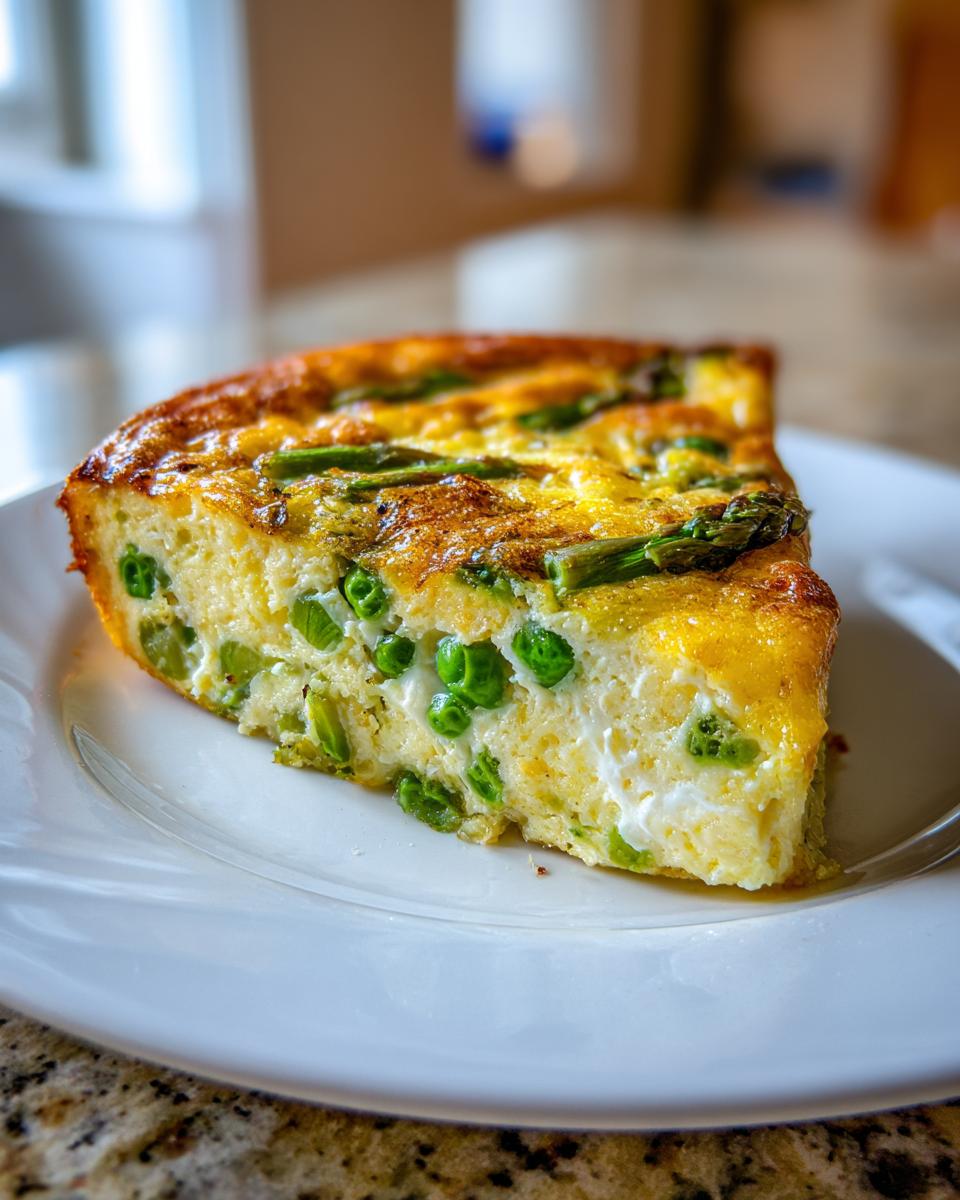
That’s why I’m so excited to share my absolute favorite way to celebrate the season: this incredibly creamy, wonderfully easy Spring Vegetable Casserole. We’re skipping the heavy noodles and the fussy crusts because when the vegetables are this good, they deserve to shine all on their own! It’s the perfect dish for those busy spring evenings or when you’re putting together a big Easter meal. Trust me, this is simplicity meeting maximum flavor.
- Why This Spring Vegetable Casserole Is Your Go-To Seasonal Bake
- Gathering Ingredients for Your Fresh Spring Casserole Recipe
- Step-by-Step Instructions for the Perfect Spring Vegetable Casserole
- Tips for Success with Your Asparagus Pea Gratin
- Making Variations of the Spring Vegetable Casserole
- Serving Suggestions for Your Farm to Table Dinner Sides
- Storage and Reheating Instructions for Leftover Spring Vegetable Casserole
- Frequently Asked Questions About This Crustless Vegetable Bake
- Nutritional Estimates for the Spring Vegetable Casserole
Why This Spring Vegetable Casserole Is Your Go-To Seasonal Bake
I know life gets busy, and sometimes pulling together a meal that feels special but doesn’t take all afternoon feels impossible. That’s why this Spring Vegetable Casserole became a staple here. It’s such a brilliant quick weeknight dinner solution!
Here’s the reason you absolutely need this recipe in your rotation:
- It’s truly speedy! Prep time is minimal because we’re using simple sautéing, not complicated blanching.
- It lets the fresh produce do the heavy lifting. No masking flavors—just pure springtime goodness in every bite.
- This is the ultimate easy spring side dish idea, whether you’re serving it for Easter brunch or just a Tuesday meal.
- Being crustless means less fuss, less cleanup, and a much lighter feel for a seasonal vegetable bake.
It’s dependable, comforting, and bright. That’s the kind of simplicity I love in my kitchen!
Gathering Ingredients for Your Fresh Spring Casserole Recipe
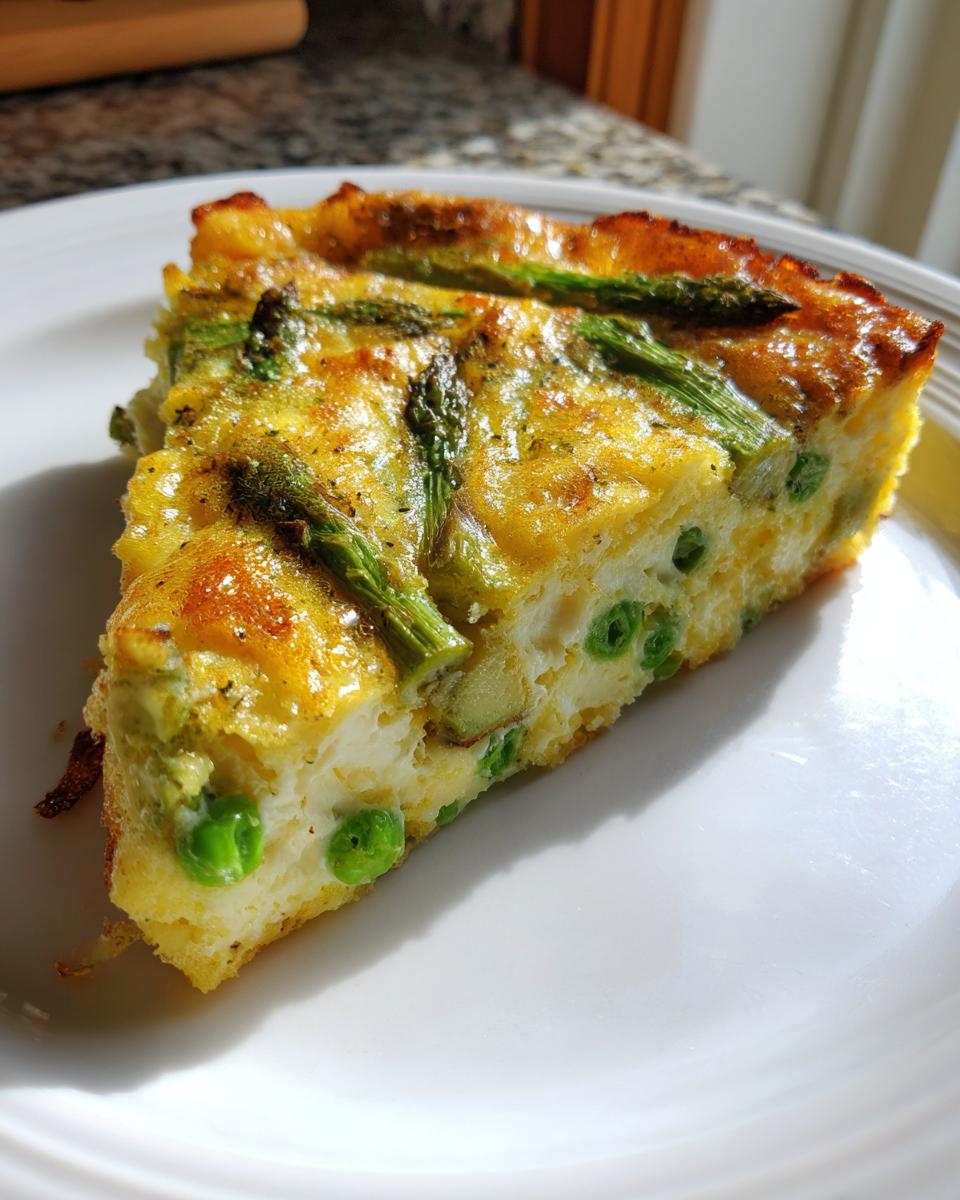
Okay, let’s talk about what you need to pull this absolute stunner together! Remember, the beauty of a spring dish is the quality of the fresh ingredients, so get the best asparagus and the smallest, sweetest new potatoes you can find. When you’re shopping, think bright green and firm!
We’re keeping things straightforward here, building that creamy texture without any heavy pasta or pastry cluttering things up. If you’re looking for other ways to use seasonal flavors, I have a fantastic cranberry sauce recipe that uses tart apples, which is a nice unexpected swap sometimes!
Here is exactly what you’ll need to gather up for this dreamy fresh spring casserole recipe:
- Olive oil (just 1 tablespoon to start the sauté)
- 1 small yellow onion, which needs to be chopped up nice and fine
- 2 cups of asparagus, cut into those perfect 1-inch bite-sized pieces
- 1 cup of fresh (or frozen, I won’t tell!) peas
- 1 cup of small new potatoes, and you’ll want those thinly sliced so they cook through evenly
- 1/2 cup of artichoke hearts—canned or frozen is totally fine, just make sure they’re thawed if using frozen
- 1/2 cup of heavy cream (or that full-fat coconut milk if you’re dodging dairy!)
- 2 large eggs, whisked lightly
- 1/2 cup of shredded Gruyère cheese, or whatever melty cheese you adore
- Parmesan cheese, about 1/4 cup, just if you feel like going the extra mile (totally optional!)
- Dried thyme, 1 teaspoon
- Salt and pepper to taste, about 1/2 teaspoon of salt and 1/4 teaspoon of pepper.
Step-by-Step Instructions for the Perfect Spring Vegetable Casserole
This is where the magic happens! Don’t be intimidated by the list of veggies; we’re just coaxing them along until they are perfect for baking. When I make this famous Spring Vegetable Casserole, my main goal is to keep the vegetables tender-crisp before they even hit the oven. That way, they don’t turn to mush during the bake time. Ready? If you are planning a big weekend brunch, you might want to check out my tips for easy breakfast ideas!
Prepping the Vegetables and Oven
First things first: get that oven warmed up! Preheat to 375°F (190°C) and make sure you grease up that 8×8 baking dish really well. You don’t want any sticking!
Now, grab a skillet and heat that olive oil over medium heat. Toss in your chopped onion and let it soften up—it only takes about 4 minutes. Next, the bigger guys go in: the asparagus bits and those thinly sliced new potatoes. Cook those for about 5 minutes, stirring them around. Then, add your peas and artichoke hearts and cook for just 2 more minutes. We’re aiming for a little texture here!
Pour in the vegetable broth right over the top and let it bubble away until there’s almost no liquid left—it just needs to be mostly evaporated. Then, take the pan right off the heat. That’s it for cooking the vegetables!
Creating the Creamy Binder for Your Spring Vegetable Casserole
While those veggies cool just slightly, we make the binder. You need a separate bowl for this—no dumping everything into the skillet!
In that clean bowl, whisk together your heavy cream and eggs until they are light and frothy. Now, whisk in all of your spices: the thyme, salt, and pepper. Make sure everything is well combined before you add the cheese. Remember, this is a wonderfully rich, crustless vegetable bake, so this creamy custard is what holds the whole thing together beautifully.
Gently stir in your shredded Gruyère cheese (and Parmesan, if you’re using it!) right into the cream and egg mixture. It should look decadent and thick!
Baking and Setting the Spring Vegetable Casserole
Time for assembly! Spread those sautéed veggies evenly across the bottom of your prepared baking dish. It should look pretty full with all those great veggies.
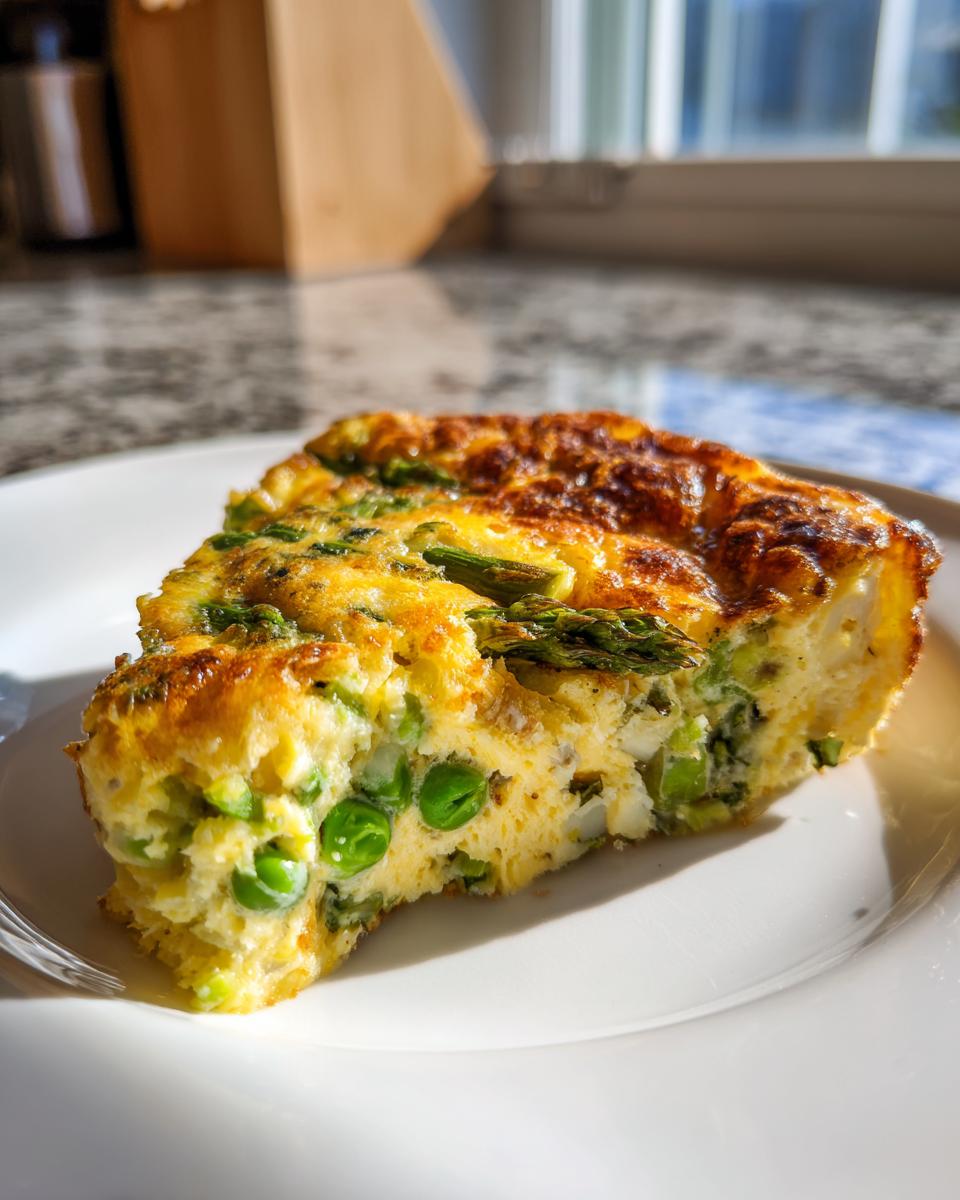
Slowly pour that glorious egg and cheese mixture right over the top. Give the dish a gentle little shake side-to-side to make sure that creamy binder settles down into all the little vegetable spaces. Don’t stir it aggressively! We’re baking this for about 30 to 35 minutes. You’re looking for a top that’s golden brown and for the center to be completely set, not jiggly.
This last step is critical! As much as you want to dig in—and trust me, the smell alone will make you crazy—let the casserole rest for 5 whole minutes once it comes out. This allows it to set up properly so you get those perfect, clean slices. Enjoy your delicious, simple creation!
Tips for Success with Your Asparagus Pea Gratin
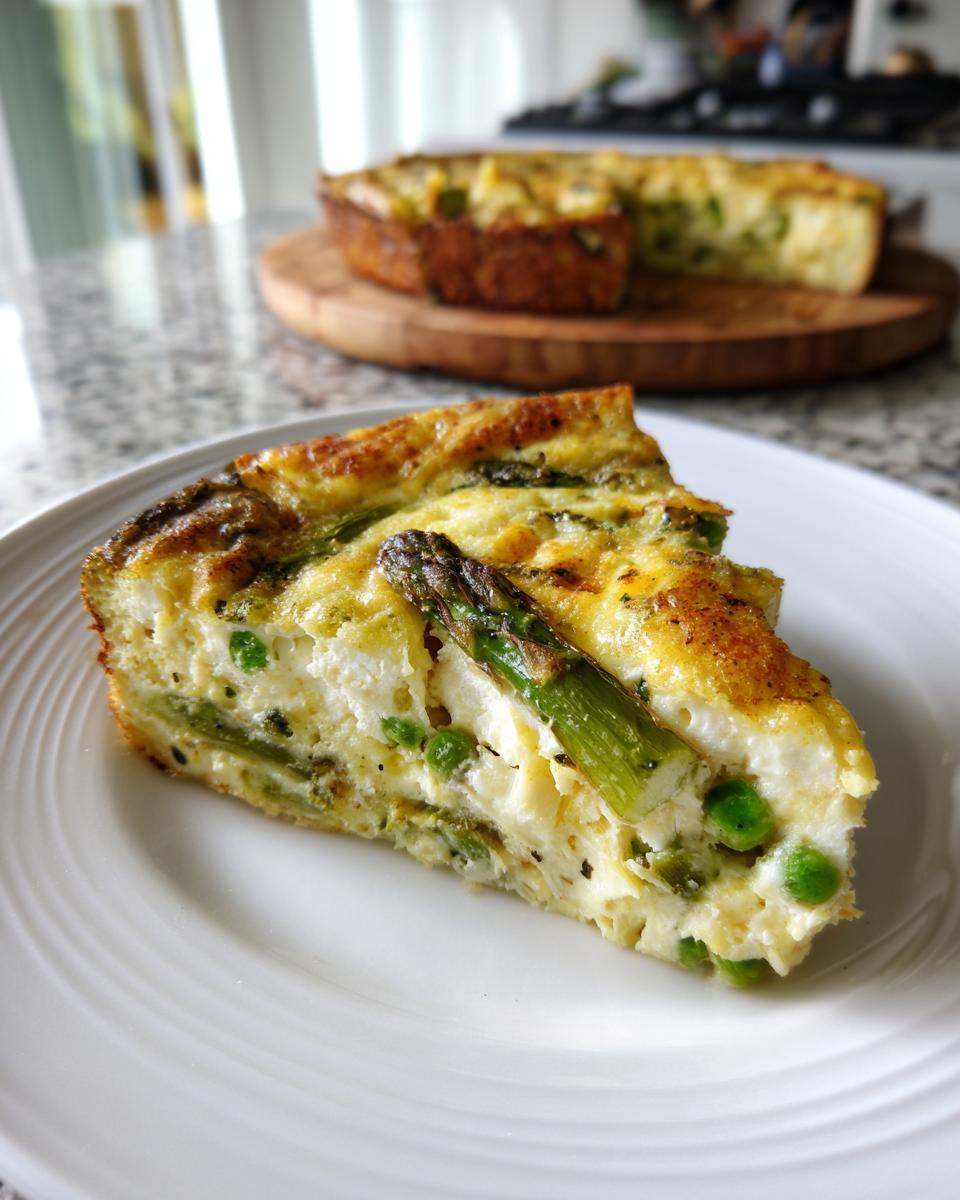
I always tell people that while my recipes are simple, a few little secrets can take them from great to unforgettable. Since this is a wonderful, light spring vegetable main dish, we want to make sure the texture is spot-on, especially if you’re sensitive to gluten.
If you need a little insurance against a soft center, don’t overthink it! You can easily whisk 1 teaspoon of cornstarch right into the cream when you are prepping the binder—it firms things up beautifully without affecting the flavor. That little trick guarantees a perfect slice!
Also, if you see ramps or those amazing fiddleheads at the market—grab them! They fit perfectly into this asparagus pea gratin. Just swap them in using the same weight as the asparagus listed in the original recipe. This is how we keep our cooking fresh and fun. You can find more easy meal ideas over here!
Dairy replacements are simple too. That heavy cream swaps perfectly with full-fat coconut milk for a surprisingly rich, dairy-free alternative. See? Totally customizable comfort food!
Making Variations of the Spring Vegetable Casserole
One of the best things about relying on what’s fresh is that you never have to make the exact same dish twice! While I adore this creamy, crustless Spring Vegetable Casserole as-is, it’s just the starting point for so many wonderful seasonal bakes. I want you to feel empowered to use what you have on hand.
If you’re serving this as a more substantial, light spring vegetable main dish, you’ll want to bulk it up a bit. My favorite way to do this is by mixing in some cooked grains. About a cup of cooked quinoa or even small pearl couscous works miracles; it just absorbs that cheesy, eggy binder and adds wonderful texture. You can find some roasting tips on my roasted broccoli recipe page that might give you some ideas for other hearty veggies!
Swapping Out the Spring Stars
Asparagus and peas are classic, but who says no to other spring superstars? If you get your hands on fiddleheads—those tiny, curled greens—treat them gently! Blanch them for about two minutes before adding them to the sauté. Ramps, if you can find them and manage their powerful flavor, are amazing too; just use them sparingly because they pack a huge, garlicky punch!
You can definitely change up the herbs, too. Use fresh dill instead of thyme for a completely different, brighter profile that works wonders with artichokes. Or, if you skip the Gruyère and opt for feta, you might want to use fresh oregano in your egg mixture.
Making it an Easter Vegetable Casserole Centerpiece
For holidays like Easter, you want something that looks a little more dressed up. Beyond the quinoa addition, you can switch cheeses! Try using shredded Fontina for a truly luxurious melt, or even sharp white cheddar if you want a bolder flavor shining through your Spring Vegetable Casserole. A sprinkle of smoked paprika on top before baking gives it a lovely blush color, making it look perfect on any formal dinner table.
Remember, because this recipe is naturally a crustless vegetable bake, it’s naturally vegetarian, making it a wonderful centerpiece for anyone seeking comforting yet fresh vegetarian spring brunch recipes. It’s just so versatile!
Serving Suggestions for Your Farm to Table Dinner Sides
Because this creamy Spring Vegetable Casserole is lighter than those heavy, noodle-filled bakes, it pairs beautifully with almost anything you put on the table for spring. It truly shines as one of those perfect farm to table dinner sides.
I love serving it alongside lightly roasted lean proteins, like baked chicken breast seasoned just with lemon and herbs. If you’re going vegetarian, a side of maple-glazed carrots (I have a great recipe for those here!) cuts through the richness of the Gruyère just perfectly.
For a light meal, just pair a generous slice with a huge bowl of mixed greens dressed simply with sherry vinegar. That’s a perfect spring dinner right there!
Storage and Reheating Instructions for Leftover Spring Vegetable Casserole
Nobody likes throwing away leftovers, especially when they taste this good! If you happen to have any of this fabulous Spring Vegetable Casserole left, good news—it stores really well. You just need to make sure it stays happy in the fridge.
Once it’s completely cooled down, cover that 8×8 dish tightly with plastic wrap or transfer slices into an airtight container. It will happily hang out in the refrigerator for about three to four days. If you need reheating instructions, I’ve got you covered, just like I do for my turkey casserole!
To reheat, the oven is always your best friend for texture. Pop individual slices onto a baking sheet (foil-lined makes cleanup a dream!) and bake at 325°F (160°C) for about 10 to 15 minutes. That brings back the creamy set without overcooking the vibrant spring veggies.
If you are in a major hurry, the microwave works, but watch the texture! It tends to get a little softer. Just use short bursts until it’s warmed through. Easy peasy!
Frequently Asked Questions About This Crustless Vegetable Bake
I know you probably have questions bubbling up, just like I do when I find a new recipe I love! Since this creamy Spring Vegetable Casserole is so popular, I wanted to tackle the common things folks ask before they dive into the kitchen. I’ve gathered my notes, and you can find even more baking wisdom over on my apple strudel recipe page!
Can I prepare this casserole ahead of time?
Yes, and this is a lifesaver for holiday cooking! You can assemble the entire thing—vegetables sautéed, binder mixed, everything layered in the dish—and then cover it tightly. Just keep it refrigerated for up to 24 hours. When you’re ready to bake, tack on 10 to 15 minutes to your total bake time since it’s starting cold. This makes it an absolutely fantastic option for an Easter vegetable casserole side dish!
Is it okay to use frozen vegetables instead of fresh?
Honestly, yes, especially for the peas! When using frozen peas, there’s no need to thaw them first—just toss them in with the asparagus during the initial sauté. For the artichokes, if they are frozen, just make sure they’re fully thawed first. Using frozen can actually save you a ton of time when prepping this seasonal vegetable bake.
What can I substitute for the Gruyère cheese?
Gruyère is lovely because it melts so smoothly, but feel free to experiment! If you want a sharper flavor that really cuts through the cream, use sharp white cheddar. If you’re aiming for something milder, use a good quality Mozzarella. Since this is naturally a crustless vegetable bake, the cheese is doing a lot of the work holding that structure!
Can I make this a light spring vegetable main dish without adding quinoa?
Absolutely! If you want a more robust main course but aren’t into grains, swap out the Gruyère for something richer and saltier. Try adding 1/2 cup of crumbled feta cheese and a handful of chopped fresh spinach to the vegetable mix. The feta provides enough salty flavor that you might not even need the Parmesan. It turns out fantastic as a satisfying vegetarian option!
Nutritional Estimates for the Spring Vegetable Casserole
Now, I’m certainly not a nutritionist—I’m a home cook finding joy in simple meals! But I know how important it is to get a general idea of what goes into our bodies, especially when we are focusing on fresh ingredients like in this Spring Vegetable Casserole. So, based on the specific ingredient amounts used in the recipe above, here is a general breakdown per serving.
Keep in mind that these numbers can change wildly depending on what kind of cream you use, or if you swap out the Gruyère for a lower-fat cheese. Always view these as a good starting guide!
If you’re looking for other ways to boost your protein intake, check out my recipe for easy protein muffins—they are a great alternative for busy mornings!
- Serving Size: 1 serving
- Calories: Approximately 310
- Fat: About 22g (with 12g being saturated fat)
- Protein: Around 15g
- Carbohydrates: Roughly 20g
- Fiber: About 4g
- Sugar: Just 5g
- Sodium: Around 450mg
Because we are skipping the crust and loading this up with actual vegetables, you get a really nice dose of nutrients and fiber compared to many other baked dishes. It’s comfort food that actually feels good to eat!
PrintSimple Spring Vegetable Casserole

A straightforward recipe for a creamy, crustless casserole featuring fresh seasonal spring vegetables, perfect as a light main dish or a farm to table dinner side.
- Prep Time: 15 min
- Cook Time: 35 min
- Total Time: 50 min
- Yield: 4 servings 1x
- Category: Side Dish
- Method: Baking
- Cuisine: American
- Diet: Vegetarian
Ingredients
- 1 tablespoon olive oil
- 1 small yellow onion, chopped
- 2 cups asparagus, cut into 1-inch pieces
- 1 cup fresh or frozen peas
- 1 cup small new potatoes, thinly sliced
- 1/2 cup chopped artichoke hearts (canned or frozen, thawed)
- 1/2 cup vegetable broth
- 1/2 cup heavy cream (or full-fat coconut milk for dairy-free)
- 2 large eggs, lightly beaten
- 1/2 cup shredded Gruyère cheese (or dairy-free alternative)
- 1/4 cup grated Parmesan cheese (optional)
- 1 teaspoon dried thyme
- 1/2 teaspoon salt
- 1/4 teaspoon black pepper
Instructions
- Preheat your oven to 375°F (190°C). Lightly grease an 8×8 inch baking dish.
- Heat the olive oil in a skillet over medium heat. Add the onion and cook until soft, about 4 minutes.
- Add the asparagus and new potatoes to the skillet. Cook for 5 minutes, stirring occasionally. Add the artichoke hearts and peas, cooking for 2 more minutes.
- Pour the vegetable broth over the vegetables and cook until the liquid is mostly evaporated, about 3 minutes. Remove from heat.
- In a separate bowl, whisk together the heavy cream, eggs, thyme, salt, and pepper.
- Stir in the Gruyère cheese into the cream mixture.
- Spread the cooked vegetables evenly into the prepared baking dish.
- Pour the egg and cheese mixture over the vegetables. Gently shake the dish to distribute the liquid evenly.
- Bake for 30 to 35 minutes, or until the casserole is set in the center and lightly golden brown on top.
- Let the casserole rest for 5 minutes before slicing and serving.
Notes
- For a gluten-free thickener, you can whisk 1 teaspoon of cornstarch into the cream before adding the eggs.
- If you cannot find fresh ramps or fiddleheads, substitute with an equal amount of extra asparagus or green beans.
- This dish works well for a vegetarian spring brunch or as an Easter vegetable casserole side.
- To make this a more substantial light spring vegetable main dish, add 1 cup of cooked quinoa or 1/2 cup of crumbled feta cheese.
Nutrition
- Serving Size: 1 serving
- Calories: 310
- Sugar: 5
- Sodium: 450
- Fat: 22
- Saturated Fat: 12
- Unsaturated Fat: 10
- Trans Fat: 1
- Carbohydrates: 20
- Fiber: 4
- Protein: 15
- Cholesterol: 110