

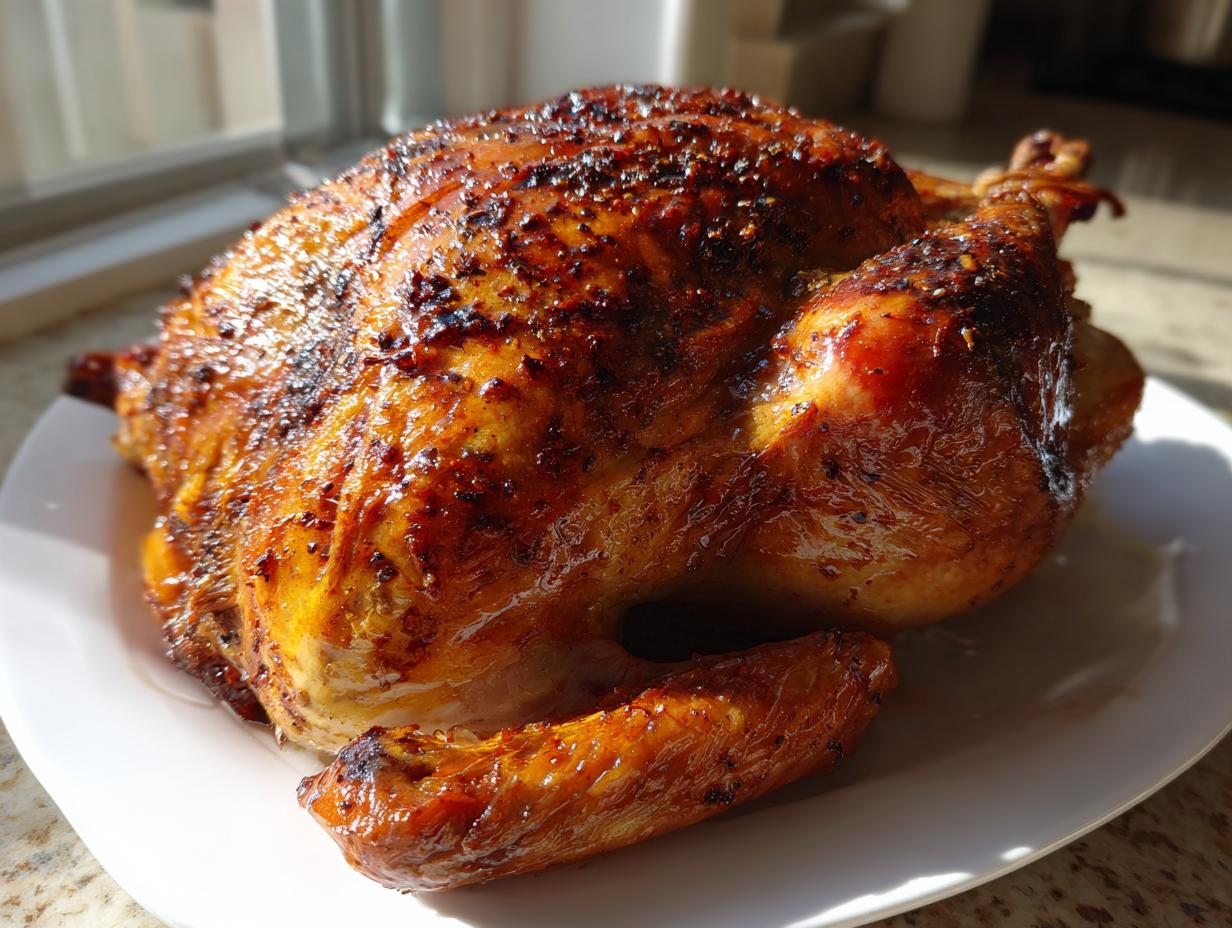
Oh, friends, let’s talk about the single biggest fear we have when that big bird goes into the oven: that dry, sad turkey meat! Trust me, after too many holiday disappointments in my early years of cooking, I found the secret weapon. It’s not complicated, but it’s absolutely essential for making your holiday centerpiece the star of the show year after year. This essential wet turkey brine guarantees maximum juiciness and infuses flavor deep into the meat. It’s the simple, dependable method I use every single Thanksgiving to make sure our family table is filled with happy sighs, not dry turkey complaints. This recipe is tried, tested, and ready to become your new holiday tradition!
- Why This Essential Turkey Brine Delivers a Juicy Turkey Recipe
- Gathering Ingredients for Your Citrus Herb Turkey Brine
- Step-by-Step Instructions for the Perfect Turkey Brine
- Holiday Turkey Tips: Rinsing and Prepping After the Turkey Brine
- Tips for Success When Making a Turkey Brine
- Storing Leftovers and Making Ahead with Your Turkey Brine
- Serving Suggestions for Your Flavorful Roast Turkey
- Frequently Asked Questions About Turkey Brine
- Estimated Nutritional Information for Turkey Brine
Why This Essential Turkey Brine Delivers a Juicy Turkey Recipe
If you’ve sworn off making a whole bird because of past dryness dramas, stick with me! This citrus herb turkey brine isn’t just seasoning; it’s a hydration insurance policy. It’s one of those simple steps that leads to those big flavor payoffs we crave for our holiday turkey tips. Forget those no dry turkey secrets you’ve heard—this citrus herb soak is the real deal! For folks that sometimes use smaller cuts, remember you can always adapt this for your slow cooker turkey breast recipe too!
- It introduces moisture directly into the muscle fibers before cooking starts.
- The salt solution denatures some proteins, allowing the meat to hold onto more juices during roasting.
- You are guaranteed a truly juicy turkey recipe that will impress everyone at your table this year.
Wet Brine vs Dry Brine: Choosing Your Turkey Brine Method
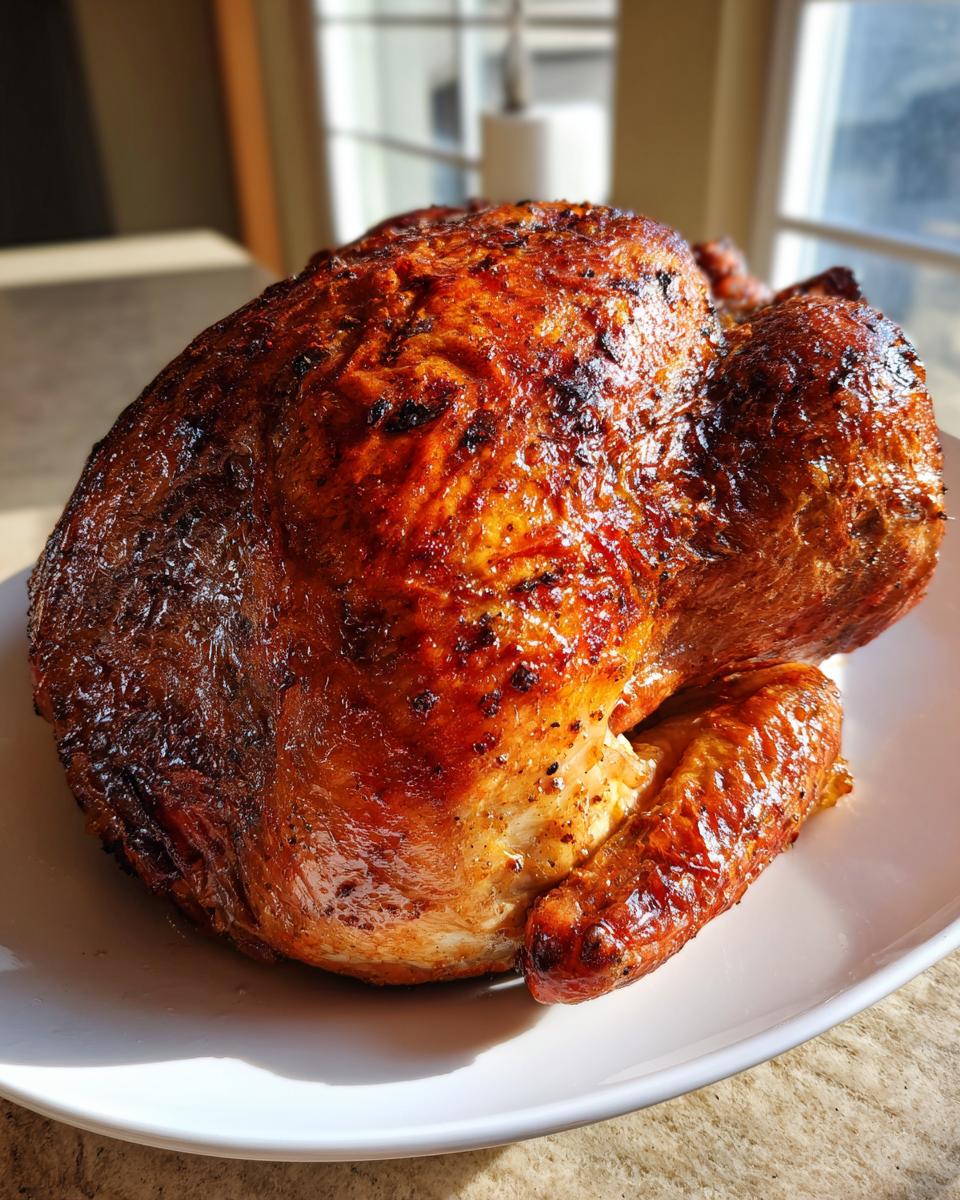
You’ll hear people debating wet brine vs dry brine constantly. A dry brine just uses salt rubbed on the outside—it’s great for crispy skin but less reliable for deep moisture penetration in huge birds. My essential turkey brine (the wet kind!) completely submerges the turkey in that beautiful salty, herb bath. For the absolute juiciest, most foolproof result, especially when navigating big holiday prep, submerging it wins every time.
Gathering Ingredients for Your Citrus Herb Turkey Brine
I want this to be the most easy turkey brine recipe you’ve ever tried! We’re using simple stuff from your pantry and fridge. When you look at the list below for our turkey brine, notice every ingredient has a job to do, from the salt doing the heavy lifting to the oranges brightening everything up. Get everything ready upfront—that’s half the battle won for the whole holiday poultry prep!
- 1 gallon cold water
- 1 cup kosher salt (This is key!)
- 1 cup brown sugar
- 1 whole orange, halved
- 1 lemon, halved
- 4 sprigs fresh rosemary
- 6 sprigs fresh thyme
- 4 cloves garlic, smashed firmly
- 2 tablespoons black peppercorns
Ingredient Notes and Substitutions for Your Turkey Brine
First off, make sure you use kosher salt. Table salt has additives that can make the brine cloudy or bitter, and we want that clean flavor we’re building here for a truly essential turkey seasoning. If you can’t find fresh rosemary or thyme? Dried works in a pinch, but double the quantity and just toss those sprigs right in—don’t worry about straining them later. Also, if you happen to be out of one citrus fruit, just use more of the other! This recipe is forgiving, but don’t skimp on the salt amount; that’s what makes it a proper brine! If you need sauce ideas to go with your fantastic bird, check out my recipe for easy homemade cranberry sauce.
Step-by-Step Instructions for the Perfect Turkey Brine
Okay, now for the hands-on part of making our incredible turkey brine! This process has two main stages: dissolving everything, and then chilling it down. Don’t rush the chilling step, or you’ll accidentally start cooking your bird prematurely—and we want that moist poultry cooking to happen slowly in the fridge!
- Grab a big pot and combine the 4 cups of your cold water with the kosher salt and brown sugar. You want to heat this gently over medium heat. Stir constantly until you see every single grain of salt and sugar dissolve completely. Don’t let it boil, please! We just need it hot enough to dissolve our seasoning base.
- Take that pot off the burner immediately. Now toss in your citrus halves—orange and lemon—along with the rosemary, thyme, smashed garlic cloves, and those peppercorns. Give it a good stir so all those lovely aromas start mingling.
- Time to cool it down fast! Add the remaining 12 cups of *ice-cold* water to the pot and stir everything around. A rapid cool-down is a crucial step in how to brine a turkey correctly and safely.
- Next, get your bird ready. I use a clean, food-safe cooler or a colossal pot for this. Tuck your turkey—whole or just the breast—into the container.
- Pour that cooled brine mixture right over the bird. You absolutely must make sure it’s fully submerged. If it’s peeking out even a little, top it off with a bit more cold water until it’s swimming.
- Cover that whole setup and tuck it into your refrigerator. We’ll talk exact timing next, but this is where the magic works over many hours. If you’re worried about what to serve alongside, these easy roasted carrots are always a winner!
Calculating the Right Brining Time Chart for Your Turkey
When it comes to timing, you need a solid brining time chart in mind. This is about saturation, not just soaking! For a standard 12 to 14-pound turkey, I aim for about 18 hours. If your bird is smaller, maybe lean closer to 12 hours. Bigger birds? You can go up to 24 hours, but really, anything more than that gets dicey. The most important thing, no matter the weight, is that the turkey must be completely covered by the liquid. If any part of the skin is exposed to air, that area won’t absorb the brine evenly.
Holiday Turkey Tips: Rinsing and Prepping After the Turkey Brine
Okay, your turkey has spent its quality time soaking up all that amazing flavor from the turkey brine bath! Now comes a step that so many home cooks skip, and it’s why their skin turns out soggy—don’t let that be you! You must be diligent here if you want beautiful results in your holiday turkey guide.
First things first: take the bird out of the brine. You need to rinse it really, really well under cold running water, inside and out. Get all that salty residue off. Then, here is the crucial part for crispy skin: Pat it DRY. I mean bone dry! Use tons and tons of paper towels, pressing everywhere until the skin feels almost tacky, not wet.
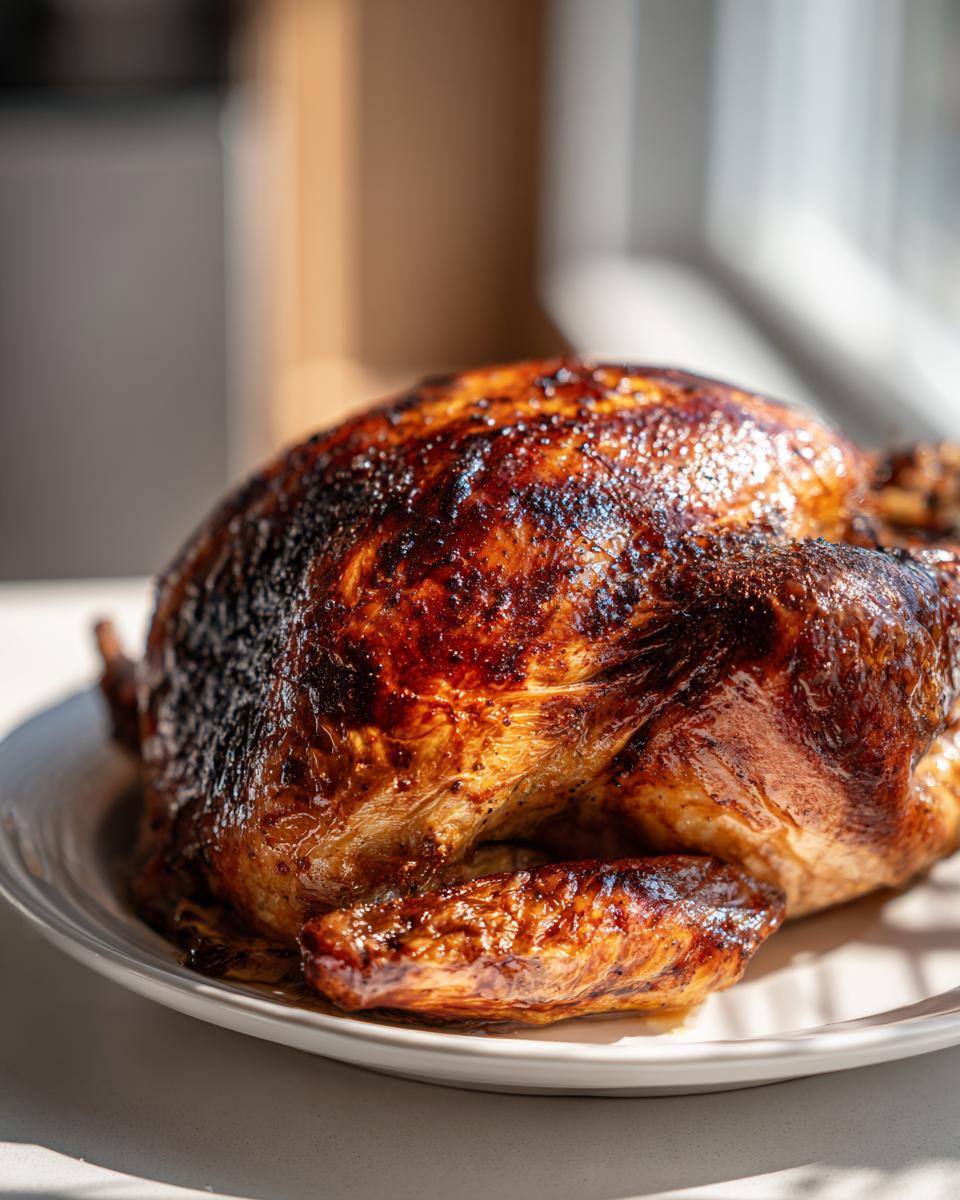
Why dry? Because moisture is the enemy of crispy skin when roasting! If you put a wet bird in the oven, all that surface water has to steam off first, meaning your skin just sits there going rubbery instead of turning golden brown and crisp. A dry surface allows the heat to immediately start rendering the fat and crisping up that beautiful skin when you apply your seasoning. If you want to see another reliable method some folks swear by, you can check out this basic turkey brine recipe guide online.
Once it’s dry, you’re ready to season up your amazing, moist bird before roasting—maybe with butter and some pepper? If you need a fantastic green side for that crispy skin, my roasted broccoli with garlic and parmesan is the perfect pairing!
Tips for Success When Making a Turkey Brine
When you’re making a big batch of turkey brine, a few little details can make the difference between a great bird and an absolutely legendary one. These are the things my mom taught me that just make the whole process smoother and guarantee your next flavorful roast turkey is a smashing success. Cooking for the holidays should feel happy, not stressful, right?
First off, let’s talk about size. You have to make sure your container is big enough! I always use a large, food-grade plastic bucket or a brining bag because trying to cram a turkey into a stockpot that’s clearly too small never works out. You need total submersion, so if you’re brining a big bird, you might need a dedicated vessel. Don’t skip using cold water to bring the temperature down after heating the base; if you add the turkey to warm liquid, you’re just asking for trouble!
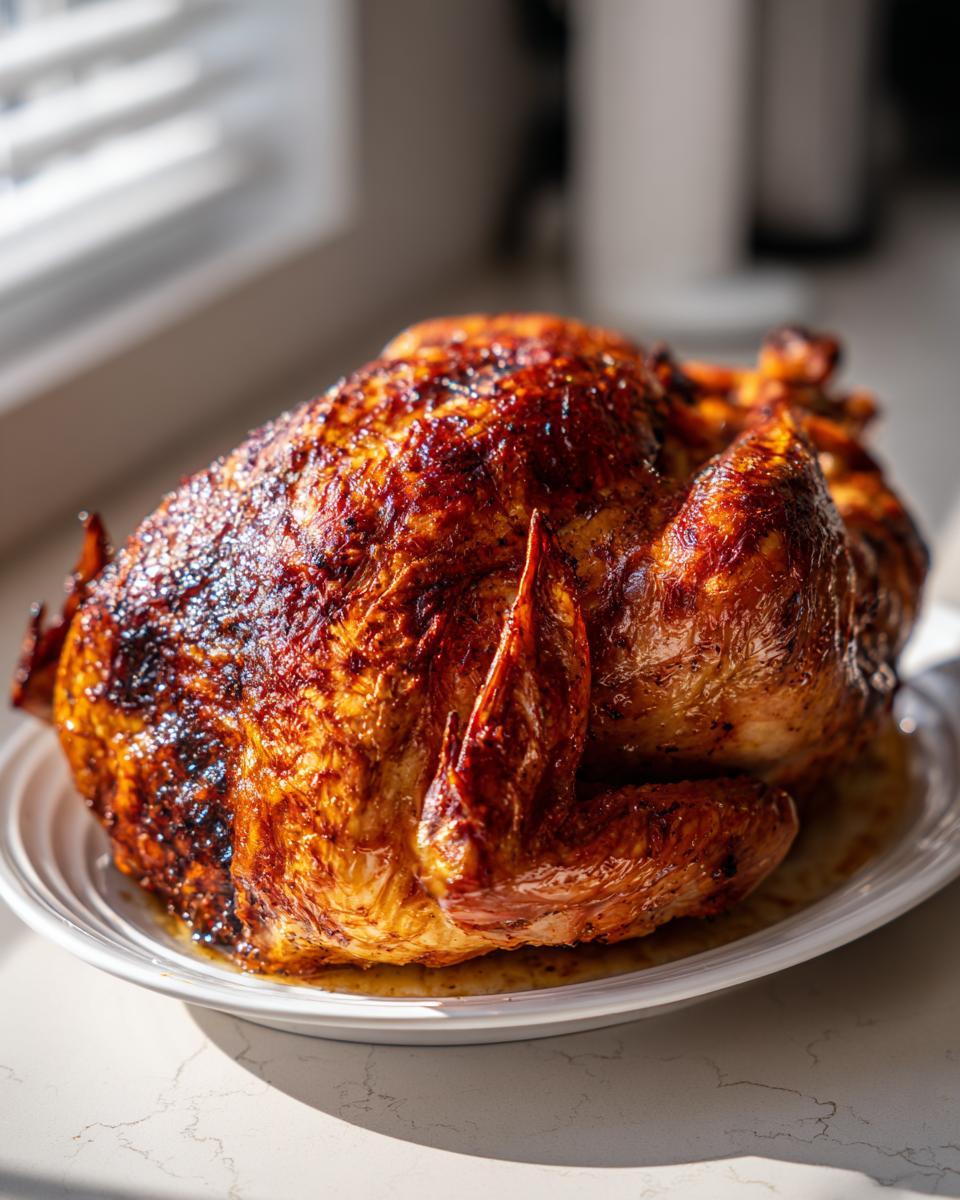
Also, please listen to me on this: when it comes time to season your turkey *after* the brine, go easy on the salt in your rubs. Because the bird has been soaking in salt water for 18 hours, it’s already seasoned deeply inside. If you dump a ton of salt on the outside, you’ll end up with an overly salty crust. This is a key part of making sure your essential turkey seasoning works for you, not against you!
Finally, if you find yourself with extra brine solution, don’t just toss it! Since we heated it up to dissolve everything, it’s already cooked. You can keep it refrigerated in a sealed jar for about three days. It’s neat because you can use that leftover liquid to baste vegetables or even use a bit of it as a starter base for your gravy later on—just taste it first, of course! Or, perhaps you’d rather skip the gravy and go straight to dessert? My easy puff pastry apple strudel recipe is always a crowd-pleaser after a big meal!
Storing Leftovers and Making Ahead with Your Turkey Brine
Once your masterpiece turkey is done, you want to know how to handle the rest of the situation! If you made a little extra of this wonderful turkey brine solution—which I often do, thinking ahead—you certainly shouldn’t toss it if it hasn’t touched raw turkey yet! You can keep that cooled, dissolved base covered tightly in your fridge for about three days. It’s excellent for seasoning things like mashed potatoes later on.
Now, for the star of the show: the cooked turkey. Since we used a wet turkey brine, the meat is super hydrated already. Store those leftovers in airtight containers. It stays wonderfully moist for days! Pair those incredible slices with my creamy butternut squash soup for a lighter second-day meal. I also found this great tip over at Farmhouse Harvest about brining, too, if you want to compare notes!
Serving Suggestions for Your Flavorful Roast Turkey
Now that you have the juiciest bird on the block, it’s time to make the rest of the table look just as good! A classic herb-infused flavorful roast turkey demands sides that are both comforting and a little elegant. Forget just plain stuffing; we want layers of flavor to celebrate that incredible meat.
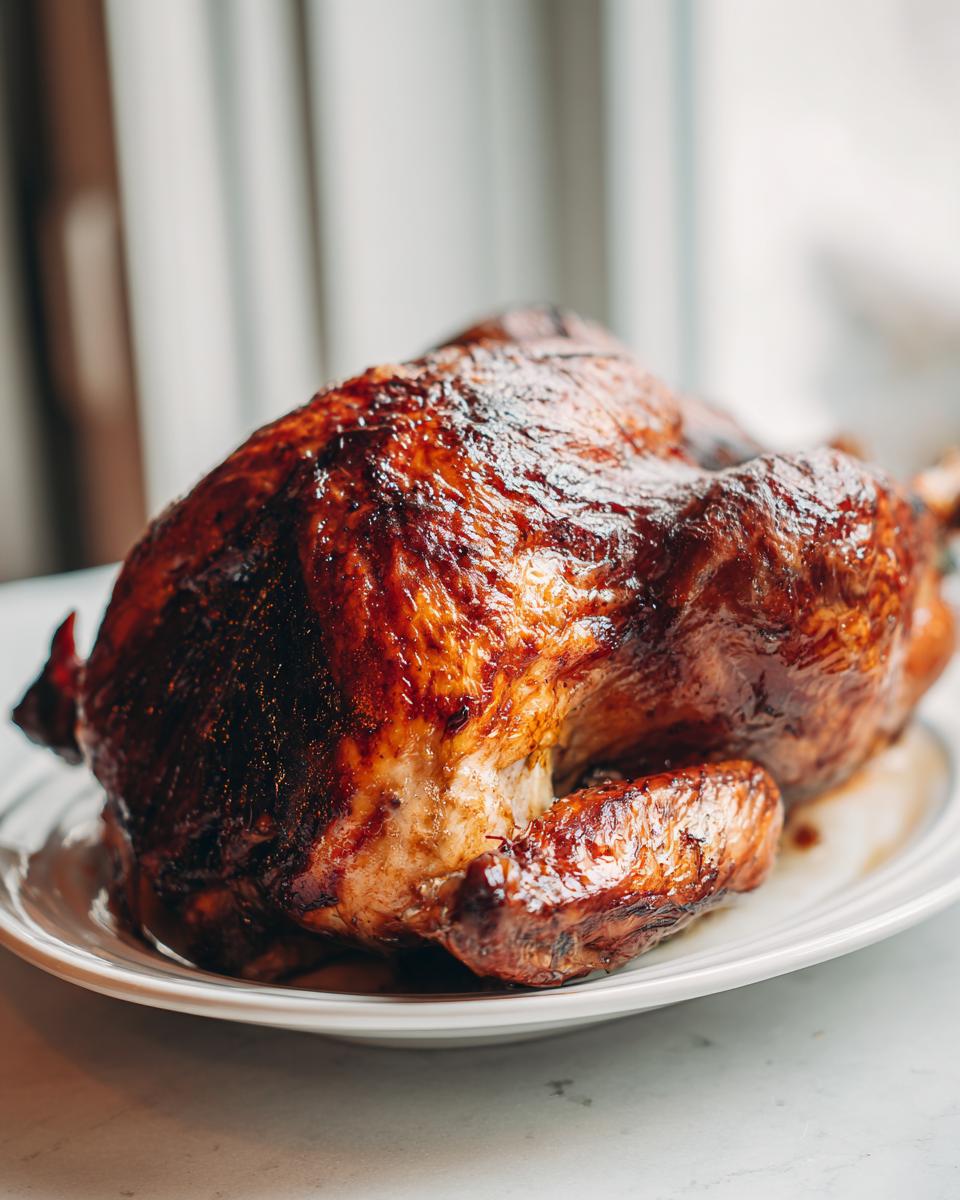
You absolutely have to pair it with something creamy and slightly sweet. My recipe for creamy mashed sweet potatoes with maple brown butter is the perfect companion—that earthy sweetness cuts right through the richness of the turkey beautifully.
And because you can’t have a holiday feast without pie, make sure you whip up my best apple pie filling for dessert. It’s truly the perfect way to end a meal made memorable by your incredibly moist turkey!
Frequently Asked Questions About Turkey Brine
It’s so natural to have questions pop up when you’re trying something new for the big meal. I always want to make sure you feel confident tackling this big recipe! Here are a few things I hear most often about getting that perfect turkey brine ready for your bird.
Can I use this turkey brine recipe for a turkey breast brine?
Absolutely, yes! You definitely can use this recipe for a turkey breast brine, but you’ll need to cut the liquid way down. The whole gallon is perfect for a 15-pound bird, but for just a breast, start with a quarter batch of the base solution. You only need enough liquid to cover the meat completely. Just make sure you reduce the brining time significantly, too—maybe only 6 to 8 hours for a breast so it doesn’t get too salty. See how easy it is to learn how to brine a turkey once you know the basics?
What is the safest way to cool the turkey brine quickly?
This is such an important question for food safety! You absolutely cannot pour your turkey into warm liquid. When you heat the base to dissolve the salt and sugar, you need to bring that temperature down fast before the bird goes in. The best way I know is exactly what I mentioned in the step-by-step: after combining the hot base with the remaining *cold* water and aromatics, stir it well. If you’re still worried, you can place the pot into a sink filled with ice before adding the turkey. That’s my trick for lowering the temperature safely.
If you made extra brine, you can keep that cool solution in the fridge for a few days, but never reuse brine that the raw turkey has sat in! If you’re looking for more ideas on getting a truly juicy result, check out the tips shared in this Juicy Turkey Brine guide.
Once you’re done prepping, reward yourself with a cozy cup of my easy whipped hot chocolate!
Estimated Nutritional Information for Turkey Brine
I always like to share the nutritional rough draft for the brine solution itself, just so you know what we are working with before we roast that bird! Remember, this information is just for the brine liquid itself—one cup of the solution—and doesn’t factor in the turkey or any butter, rubs, or the amazing sides you’ll be making later on. And honestly, on Thanksgiving Day, I worry more about how many people are smiling than the exact sodium grams!
We use a good amount of salt, so the sodium is naturally high, but that’s the magic doing its job to keep things wonderfully moist. Here’s the breakdown based on the recipe:
- Serving Size: 1 cup brine
- Calories: 50
- Sugar: 10g
- Sodium: 2500mg (Please remember this is divided across the entire bird!)
- Fat: 0g
- Protein: 0g
- Carbohydrates: 12g
These are just estimates, of course. The final nutritional content of your holiday centerpiece will vary widely depending on the size of your turkey, what kind of salt you used, and, of course, how much of the amazing skin you decide to eat (which I highly recommend!). If you ever have specific questions about recipes or just want to chat about preparing food for your family, please don’t hesitate to reach out via my contact page. Happy cooking, friend!
PrintThe Essential Wet Turkey Brine Recipe for the Juiciest Holiday Turkey
Follow this easy turkey brine recipe to guarantee a moist and flavorful turkey for your next holiday feast. This method focuses on simple ingredients to achieve maximum juiciness.
- Prep Time: 20 min
- Cook Time: 0 min (Brining Time)
- Total Time: 18 hr 20 min
- Yield: 1 turkey 1x
- Category: Main Course
- Method: Brining
- Cuisine: American
- Diet: Low Fat
Ingredients
- 1 gallon cold water
- 1 cup kosher salt
- 1 cup brown sugar
- 1 whole orange, halved
- 1 lemon, halved
- 4 sprigs fresh rosemary
- 6 sprigs fresh thyme
- 4 cloves garlic, smashed
- 2 tablespoons black peppercorns
Instructions
- In a large pot, combine 4 cups of water with the salt and brown sugar. Heat over medium heat, stirring until the salt and sugar fully dissolve. Do not boil.
- Remove the mixture from the heat and add the orange halves, lemon halves, rosemary, thyme, garlic, and peppercorns. Stir well.
- Add the remaining 12 cups of cold water to cool the brine quickly. Stir to combine.
- Place your whole turkey (or turkey breast) in a large, food-safe container or brining bag.
- Pour the cooled brine over the turkey, ensuring it is completely submerged. Add more cold water if necessary to cover the bird.
- Cover the container and refrigerate for 12 to 24 hours. For a standard 12-14 pound turkey, 18 hours is a good target.
- Remove the turkey from the brine. Rinse the turkey thoroughly inside and out with cold water. Pat the skin completely dry with paper towels.
- Proceed with your preferred roasting or smoking method for a flavorful roast turkey.
Notes
- For a 14-pound turkey, you need about 1 gallon of brine. Adjust liquid volume proportionally for larger or smaller birds.
- If you are smoking turkey, this wet brine recipe works well to keep the poultry moist.
- After brining, you do not need to add extra salt to your turkey seasoning.
Nutrition
- Serving Size: 1 cup brine
- Calories: 50
- Sugar: 10
- Sodium: 2500
- Fat: 0
- Saturated Fat: 0
- Unsaturated Fat: 0
- Trans Fat: 0
- Carbohydrates: 12
- Fiber: 0
- Protein: 0
- Cholesterol: 0