

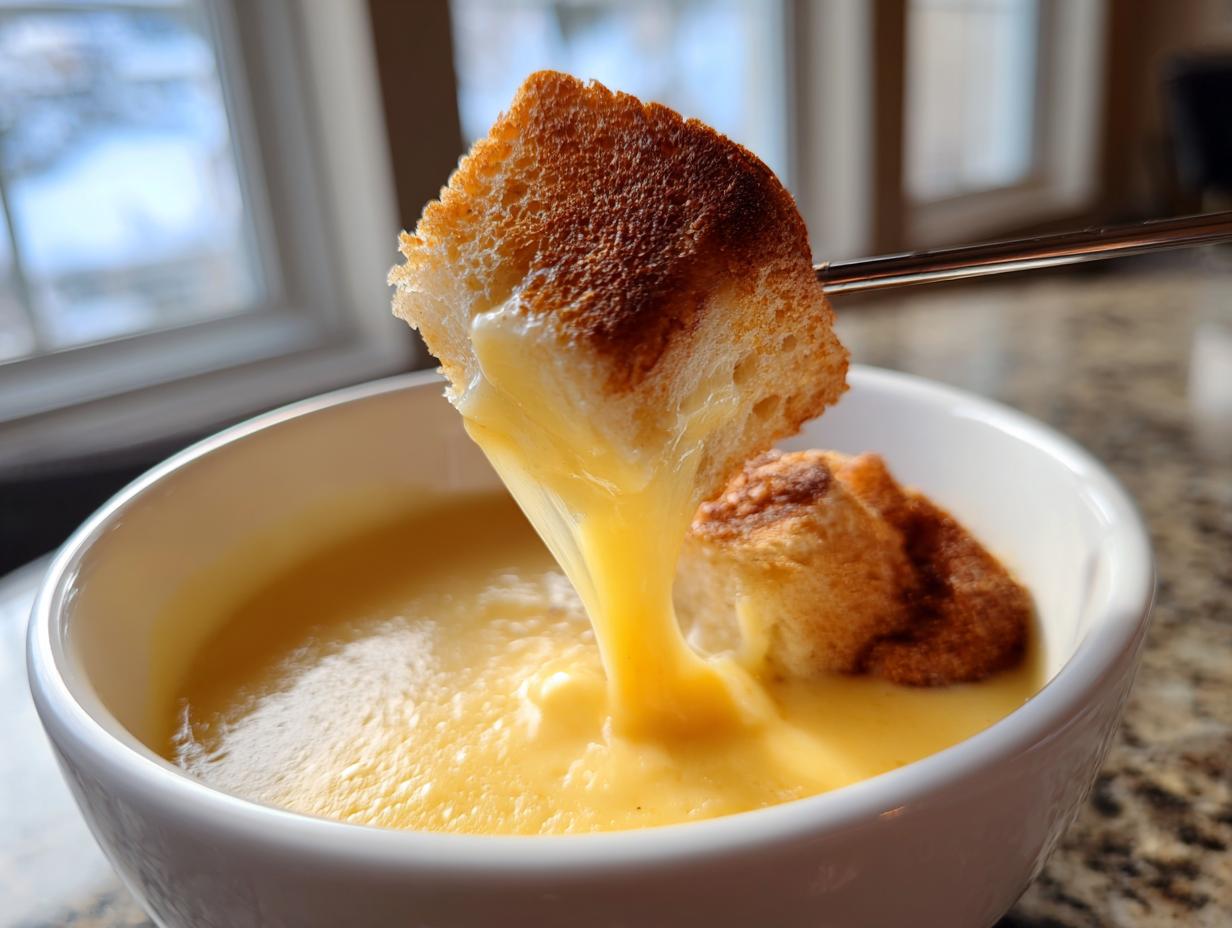
When the air starts getting crisp and you want that immediate feeling of gathering everyone close, you just have to make cheese fondue. Seriously! It’s the ultimate cozy night in centerpiece. Forget those scary, grainy dips you’ve had before. I promise you, this is the best, smoothest **cheese fondue** recipe you’ll ever try, sticking to the classic Swiss blend of Gruyère and Emmental. It’s so simple, I call it my Easy Cheese Fondue Recipe. Remember what Mia always says? Great memories happen when we connect over simple, delicious food, and nothing connects people faster than dipping crusty bread into hot, melted cheese!
- Why This Classic Cheese Fondue Recipe Works Every Time
- Gathering Ingredients for Your Gruyère Emmental Fondue
- Step-by-Step Instructions for Perfect Cheese Fondue
- What to Dip in Cheese Fondue: Dipper Ideas for Parties
- Variations on the Classic Cheese Fondue Recipe
- Storage and Reheating Instructions for Leftover Cheese Fondue
- Frequently Asked Questions About Making Cheese Fondue
- Estimated Nutritional Data for This Cheese Fondue
- Share Your Cozy Winter Appetizers Experience
Why This Classic Cheese Fondue Recipe Works Every Time
Let’s be honest, the biggest hurdle with making this beautiful dish is the fear of it splitting into an oily, lumpy mess. Ugh. But this specific combination of Alpine cheeses mixed with a little bit of flour beforehand is our secret weapon against that! We’re aiming for the ultimate Creamy Cheese Dip experience here, and this recipe absolutely delivers on that promise. If you’re looking for No Lumps Cheese Fondue Tips, you’ve come to the right place because we’re leaning heavily on classic Swiss technique. Following the steps detailed in my recipe on how to make a perfectly smooth cheese fondue recipe ensures total success.
The Best Cheese for Fondue Selection
The heart of this magic is using Gruyère and Emmental together. These cheeses are mountain standards for a reason! They both melt beautifully and have complex, nutty flavors that bounce off the white wine perfectly. They emulsify really nicely, which is just a fancy way of saying they stay smooth and together. If you can’t find both—though I highly suggest you try—you can use good sharp white Cheddar for about half the blend. But stick to the classic mix for the most authentic, wonderful cheese fondue.
Expert Tips for a Smooth Homemade Fondue Sauce
You absolutely must grate the cheese yourself, please hear me on this! Those bags of pre-shredded cheese are coated in stuff to keep them from sticking together in the bag, and that stuff will make your fondue grainy every single time. Also, heat management is everything. We are just gently warming the wine; we are never, ever boiling it hard. That high heat shocks the cheese proteins and ruins the texture of your Homemade Fondue Sauce. Keep the flame low, stir patiently, and you’ll be thanking me later!
Gathering Ingredients for Your Gruyère Emmental Fondue
Okay, the connection part is done, now it’s time to gather our toolkit! For our ultimate classic cheese fondue, you really need to be precise with what you bring to the counter. We aren’t just tossing things in here; every single measurement is crucial to getting that perfect, silky texture we talked about—the kind that coats your bread beautifully without slipping off or breaking apart. Trust me, having everything prepped before you turn on the heat makes the stirring process so much smoother, especially when we’re dealing with delicate melted cheese!
If you want to see a fantastic variation that uses a bit more Cheddar, check out this helpful guide on Swiss Cheddar Cheese Fondue for inspiration, but for the classic version, stick to these amounts:
- You need about one cup of dry white wine—nothing fancy, like a Sauvignon Blanc works just great.
- Don’t forget one teaspoon of minced garlic, but we only need it for rubbing the pot!
- Grab 1 1/2 cups of Gruyère, and another 1 1/2 cups of Emmental. Remember, shred these yourselves!
- Two tablespoons of all-purpose flour—this is the secret weapon carrier for the cheese.
- One tablespoon of lemon juice, and just a light dusting of nutmeg and fresh black pepper to taste.
Step-by-Step Instructions for Perfect Cheese Fondue
Now for the fun part! Don’t be intimidated by the process; it’s really just about patience and low heat. If you follow these steps exactly, you’ll have a gorgeous, velvety cheese fondue every time. This method, which you can see detailed further in my guide on making a smooth cheese fondue recipe, prevents that awful separation we are trying to avoid. For a great alternative approach, there’s tons of useful insight over at Simple Cheese Fondue Recipe, but for right now, stick with me!
Preparing the Base for Your Classic Swiss Fondue
First things first, grab that cut side of a garlic clove and rub it all over the inside of your fondue pot—trust me, it adds the perfect subtle background flavor. After you’ve rubbed it down, discard the garlic. Next, pour in your dry white wine. Now, this is where many people mess up! You want the wine to get hot and steam—maybe a gentle simmer—but you absolutely cannot let it boil hard. If it boils vigorously, the low acid level it needs for the emulsion breaks, and you’re on your way to a grainy disaster. We need that gentle warmth for our Classic Swiss Fondue to start right.
Melting the Cheese for a Gooey Cheesy Dip
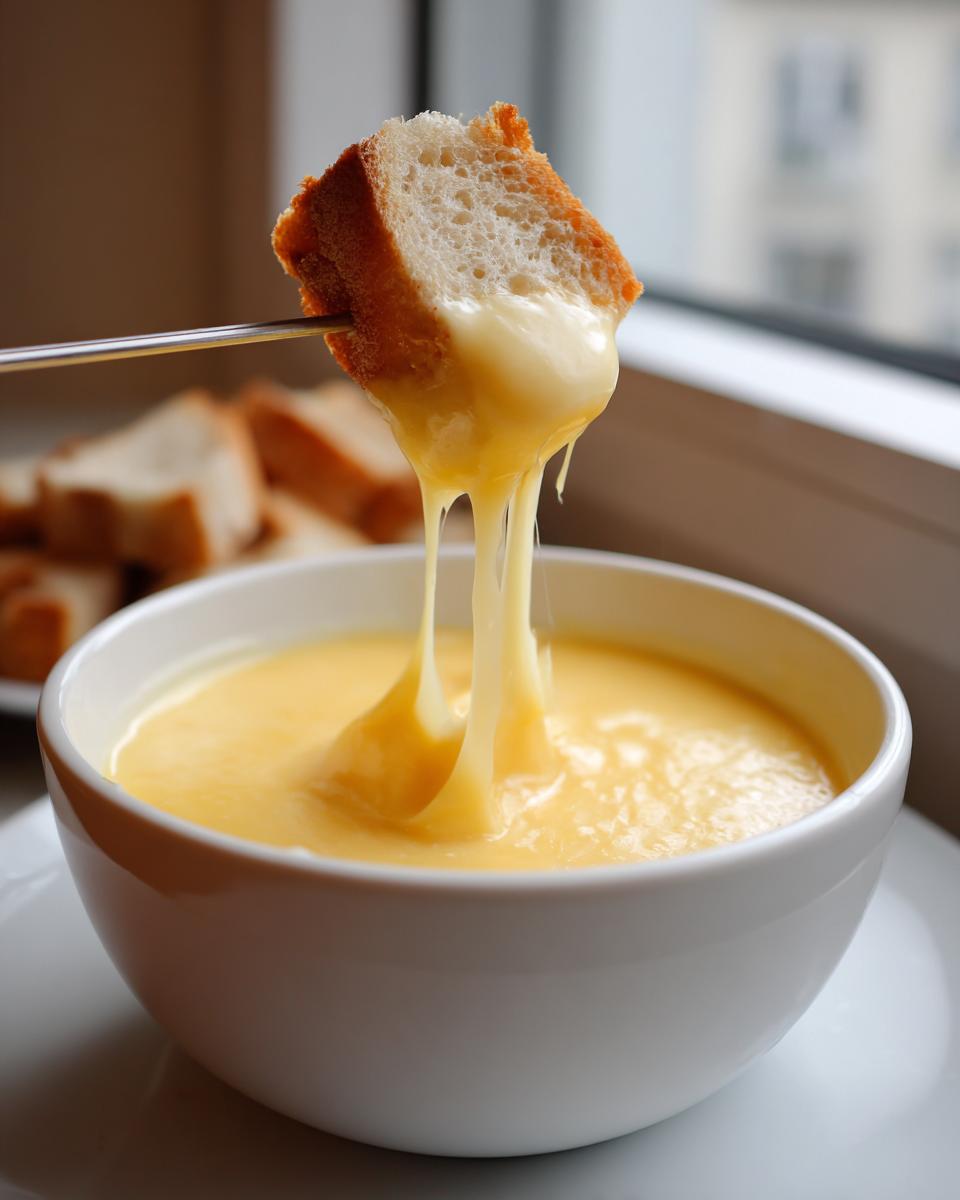
Before you even think about adding cheese, you must toss all your grated Gruyère and Emmental together with the flour until they look dusty. That flour is what binds everything and stops the proteins from cuddling up into lumps! Once the wine is simmering gently, start adding that floury cheese mixture in small handfuls, stirring constantly. I mean it—stir constantly! Use a figure-eight motion, not just scrambling it around. Wait until that handful is totally melted smooth before you dare add the next bit. This slow, controlled process is the secret handshake to a perfect cheese fondue.
Finishing and Maintaining Your Cheese Fondue
Once every little bit of glorious cheese is melted and you have a beautiful, thick ribbon of perfection, take it off any direct high heat. Stir in your lemon juice—that acidity helps keep it silky smooth—along with your nutmeg and black pepper. Remember step six? If you’re cooking this on the stovetop and need to move it to a burner to keep it warm, make sure that heat stays super low. If it gets too thick later on, just splash in a tiny bit more wine. Keep stirring occasionally over that low flame, and your cheese fondue will stay wonderfully dippable all night long!
What to Dip in Cheese Fondue: Dipper Ideas for Parties
Alright, you’ve made the perfect, gooey masterpiece! Now comes the crucial decision: what are we actually going to dunk into this glorious pot of liquid gold? When planning Entertaining Appetizer Ideas, variety is key here. People love having choices, and a good selection of dippers makes the whole experience so much more fun and interactive.
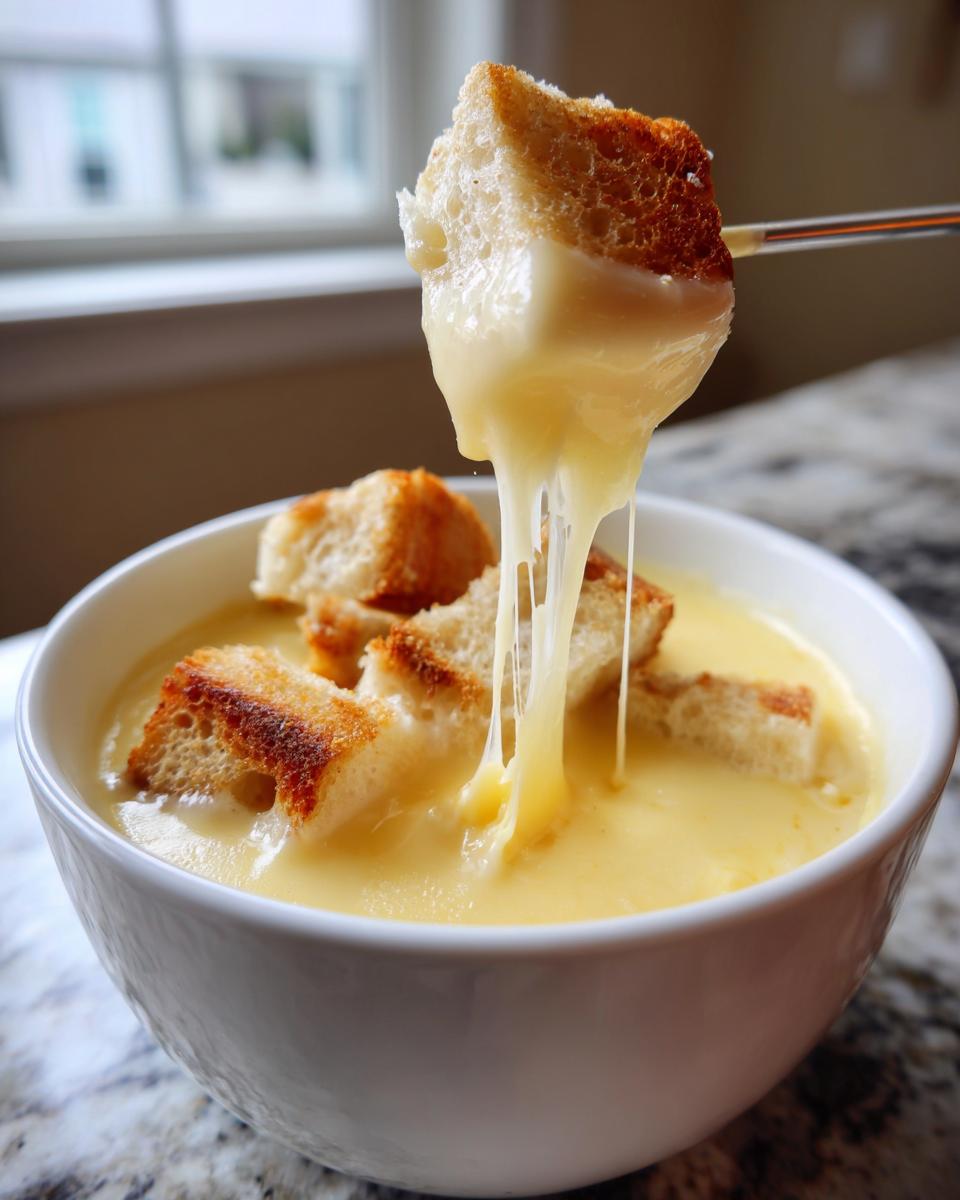
Of course, the number one classic for What to Dip in Cheese Fondue has to be crusty bread. Get yourself a good sourdough or French baguette, cube it up, and toast it slightly—that little bit of crunch is perfect against the smooth cheese.
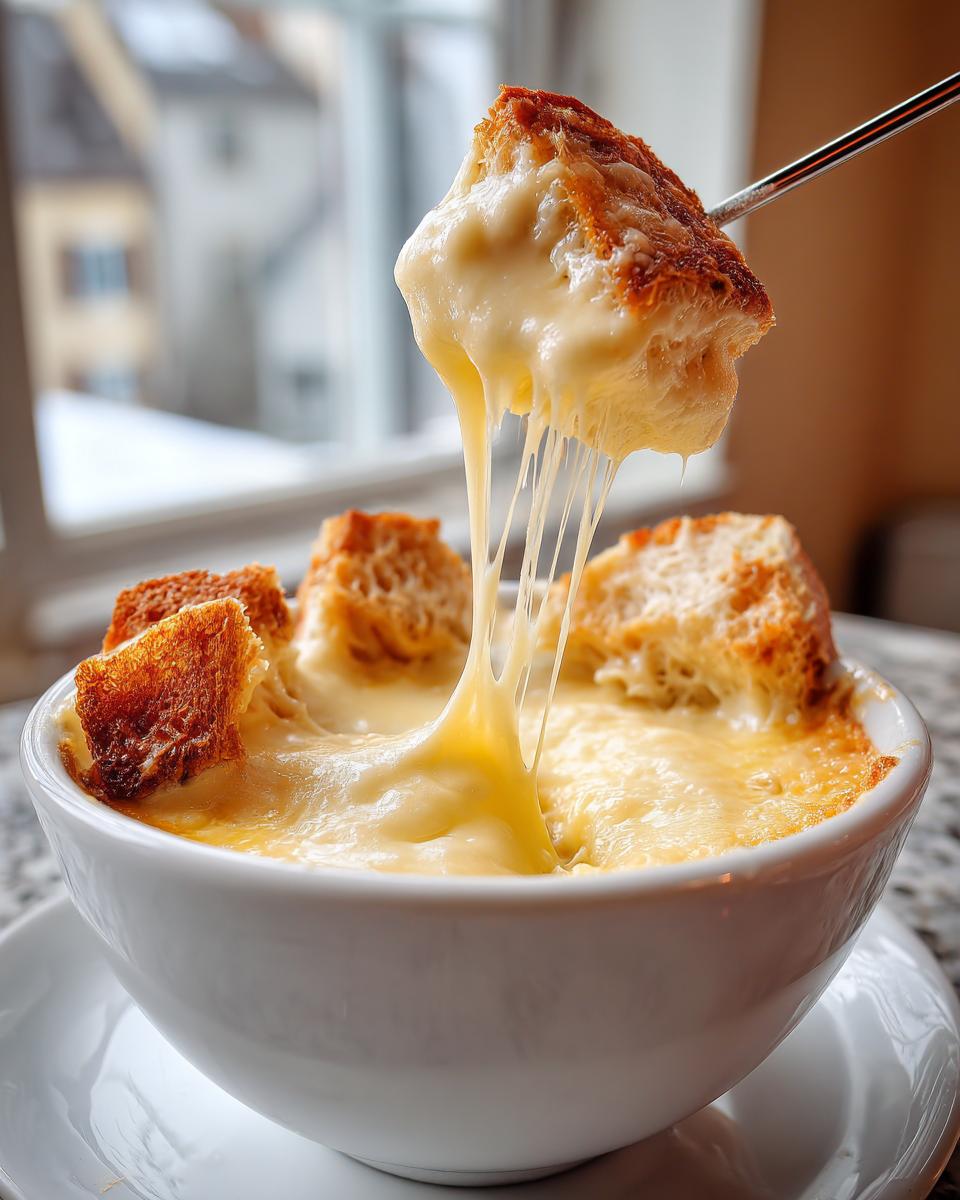
But don’t stop there! For healthier options, think crunchy vegetables like blanched broccoli florets, crisp apple slices (tart ones are best!), or maybe even some steamed new potatoes. If you’re feeling extra fancy or having a big gathering, you could add small cubes of pre-cooked Kielbasa or even tiny meatballs. I once served slices of my cranberry brie bites alongside the fondue pot, and it was a huge, unexpected hit!
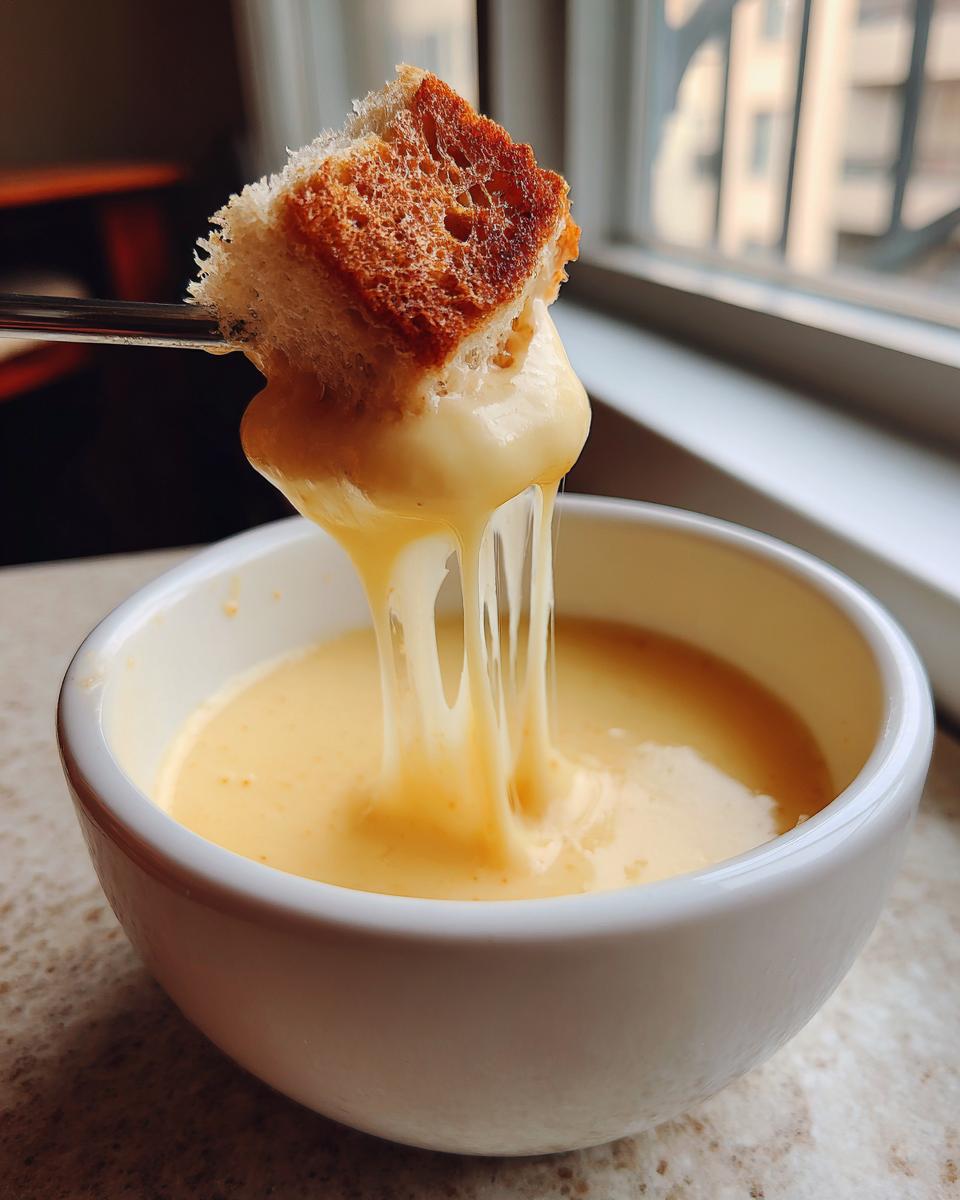
For more great ideas on pairing things with your decadent dip, honestly, check out this useful guide on what to eat with cheese fondue. It gives you loads of inspiration!
Variations on the Classic Cheese Fondue Recipe
Now that you’ve mastered the absolute best classic version, you might be wondering how we can tweak this glorious experience. It’s fun to adapt, especially when we’re gathering a crowd or trying to keep the pot warm for hours! While I stick to this stovetop method because it gives me the most control over that all-important smooth texture, I know some of you are busy entertaining and need different appliances.
If you’re looking for a true Melting Pot Fondue Copycat, honestly, this recipe is already very close! Their secret is using a dry white wine base, which we do here, combined with the right cheese ratios. The key, as always, is that slow, steady heat and coating the cheese in flour first. You’ll often see versions made with beer, but I find that sticking to wine keeps the tang cleaner and the texture more reliable for a genuine cheese fondue experience.
I also get asked all the time about using a slow cooker or an Instant Pot. For those methods, you generally have to be even more careful about heat. If you decide to try a Slow Cooker Cheese Fondue, you should melt everything on LOW and then switch it to the ‘Warm’ or ‘Keep Warm’ setting for serving. Never let the slow cooker get up to high heat once the cheese is in! If I’m making something cheesy like my broccoli cheese casserole, I know the slow cooker does a great job, but for fondue, it takes more babying.
Also, don’t forget that substitution I mentioned: if you swap half your Gruyère for a really good, sharp white Cheddar, you wind up with a much richer, tangier flavor profile. It’s still incredible, just a different vibe from the classic Swiss style. For advice on making an Instant Pot Fondue Recipe, you should definitely check out this guide from Melting Pot Swiss Cheese Fondue Recipe source, as they talk through the pressure cooker angle!
Making a Melting Pot Fondue Copycat
Since so many of us grew up trying that famous restaurant fondue, making a Melting Pot Fondue Copycat is high on the list! The real trick they use is that acid/starch combo: the acid from the wine and lemon cuts the fat, and the flour coating thickens everything perfectly. That’s why we start with the wine base—when you jump straight to heating only milk or cream, you usually get a much heavier, almost sauce-like dip instead of the light, airy texture you get from the wine emulsion. Keep it wine-based, keep it floured, and you’re golden!
Storage and Reheating Instructions for Leftover Cheese Fondue
Oh, goodness, who ever has actual leftovers of this stuff? Usually, the pot is licked clean! But if you happen to be smarter than my family and manage to hide a bowl away, you need to treat that leftover **cheese fondue** very kindly. It’s an emulsion, which means it’s basically a delicate relationship between fat and liquid, and if you shock it, that relationship breaks down. So, no throwing it in the microwave willy-nilly!
For storage, first, let it cool just slightly—not completely room temperature or you’ll get hard cheese bricks. Scrape it into an airtight container. It keeps well in the fridge for about three days, tops. I usually use a container similar to the one I use for storing leftover chicken from my leftover turkey casserole recipe, just to keep it sealed up tight.
Now, for reheating, this needs patience. You absolutely cannot just blast it on high heat. You need very gentle warmth. Transfer the leftover **cheese fondue** back into your fondue pot or a small, heavy saucepan. Add a splash—maybe a tablespoon or two—of fresh white wine or even just water. Heat it on the very lowest setting the stove offers, stirring slowly and constantly. It might look curdled or oily at first, but keep stirring gently as it warms, and it should smooth right back out into something beautiful and dippable again. If it seems too thin once it’s warm, you can thicken it just slightly with a tiny bit of cornstarch whisked with cold water, but usually, gentle heat and that splash of liquid save the day!
Frequently Asked Questions About Making Cheese Fondue
Even with the best recipe, sometimes little questions pop up right when you’re ready to entertain! We’ve all been there, staring into the pot wondering if we’re about to serve up a gooey dream or a cheesy nightmare. That’s why I put together these quick answers for the things that trip people up most often when making a fantastic, shareable pot of **cheese fondue**.
Can I use beer instead of white wine in my cheese fondue?
Oh, you totally can, and plenty of folks love that richer, deeper flavor. When you switch to beer—especially a slightly nutty, darker option—you move a little bit away from that pure Classic Swiss Fondue flavor, but it’s still delicious! The main thing to watch out for is the carbonation. You still need to bring the beer to a very gentle simmer to let the bubbles cook off before adding the cheese. Beer tends to be thicker than wine, so you might find you need just a tiny splash more liquid later on if your fondue seems too stiff, almost like you’re thickening up my corn dip with cream cheese.
My cheese fondue turned grainy. What went wrong?
Don’t panic! This is the number one heartbreak for Gooey Cheesy Dip Ideas makers. Nine times out of ten, it means two things were too aggressive: the heat or the stirring. If you cook the cheese on high heat, or if you added the cheese too fast before the last batch was totally dissolved, the proteins clump up and seize, which is what causes that grainy, separating texture. You have to keep that heat low and add the flour-coated cheese slowly, one small handful at a time, stirring constantly until it’s melted smooth. Remember that lesson—low heat is your best friend for a perfect **cheese fondue**.
Estimated Nutritional Data for This Cheese Fondue
Look, I’m a cook, not a nutritionist, so please take these numbers with a grain of salt—or, well, a sprinkle of nutmeg! Since this is a rich, celebratory dish, we’re not aiming for feather-light eating, are we? This is pure comfort!
The data below is estimated for one serving size (1/4 of the recipe), based on the Gruyère, Emmental, and white wine quantities listed. As always, if you swap out cheeses or use a different dipping product, your actual values will look different. This is just a general guide for our decadent cheese fondue.
- Serving Size: 1/4 of recipe
- Calories: 450
- Fat: 30g (with 18g Saturated Fat)
- Carbohydrates: 15g
- Protein: 28g
- Sodium: About 650mg
We have surprisingly high protein thanks to all that lovely Swiss cheese! But look, this is meant for sharing at a party or on a chilly night. Don’t worry about the numbers too much when you’re having a wonderful time making memories with friends—that’s what truly matters!
Share Your Cozy Winter Appetizers Experience
Whew! You’ve made it! You’ve conquered the heat, the stirring, and you’re sitting down to the most wonderfully decadent pot of **cheese fondue**. I’m so excited for you!
This is exactly the kind of meal Mia envisioned—simple ingredients leading to big connection feelings. It’s perfect for those chilly evenings when you just want to stay inside and be warm. I really hope this recipe becomes one of your go-to Cozy Winter Appetizers for years to come.
Now, I absolutely need to hear about it! Did you go classic with just bread, or did you try dipping something wild, like roasted grapes or pickles? Tell me everything! Please leave a rating for the recipe right below—it helps others see that this is truly the best way to get a perfect melt every time.
If you tried this and loved how smooth it turned out, snap a picture and share it! Tag me so I can see your setup. I’m always looking for new dipper ideas, too. Maybe next time I’ll incorporate some of your suggestions into my next batch, perhaps even serving it alongside my easy creamy chicken tortilla soup for a soup-and-dip Friday!
Happy dipping, friend!
PrintClassic Gruyère and Swiss Cheese Fondue Recipe

Make a creamy, smooth cheese fondue using Gruyère and Emmental cheese with a white wine base. This recipe is simple to follow and perfect for cozy gatherings or parties.
- Prep Time: 15 min
- Cook Time: 15 min
- Total Time: 30 min
- Yield: 4 servings 1x
- Category: Appetizer
- Method: Stovetop
- Cuisine: Swiss
- Diet: Vegetarian
Ingredients
- 1 cup dry white wine (like Sauvignon Blanc)
- 1 teaspoon garlic, minced
- 1 1/2 cups grated Gruyère cheese
- 1 1/2 cups grated Emmental cheese
- 2 tablespoons all-purpose flour
- 1 tablespoon lemon juice
- 1/4 teaspoon ground nutmeg
- Freshly ground black pepper, to taste
- Cubed crusty bread, blanched vegetables, and fruit for dipping
Instructions
- Rub the inside of your fondue pot or heavy-bottomed saucepan with the cut side of a garlic clove. Discard the garlic.
- Pour the white wine into the pot and bring it to a gentle simmer over medium heat. Do not boil.
- In a small bowl, toss the grated Gruyère and Emmental cheeses with the flour until evenly coated. This step helps prevent lumps.
- Add the cheese mixture to the simmering wine one handful at a time, stirring constantly in a figure-eight motion until each addition is fully melted and smooth before adding the next. Keep the heat low.
- Once all the cheese is melted and the mixture is smooth, stir in the lemon juice, nutmeg, and black pepper.
- Continue to stir gently over low heat to maintain a smooth consistency. If the fondue becomes too thick, add a splash more wine. If it becomes too thin, mix a teaspoon of cornstarch with a tablespoon of cold water and stir into the fondue.
- Transfer the pot to a fondue burner set to low heat to keep it warm while serving. Serve immediately with your chosen dippers.
Notes
- For the creamiest texture, grate your own cheese instead of using pre-shredded varieties, as pre-shredded cheese contains anti-caking agents that can cause grittiness.
- If you prefer a different flavor profile, substitute half the Swiss/Gruyère blend with good quality sharp white Cheddar for a richer taste.
- To make a copycat Melting Pot style fondue, ensure you use a dry white wine and follow the flour coating method strictly for a lump-free result.
- Keep the heat low throughout the process; high heat causes the cheese proteins to seize, resulting in a grainy texture.
Nutrition
- Serving Size: 1/4 of recipe
- Calories: 450
- Sugar: 3
- Sodium: 650
- Fat: 30
- Saturated Fat: 18
- Unsaturated Fat: 12
- Trans Fat: 1
- Carbohydrates: 15
- Fiber: 1
- Protein: 28
- Cholesterol: 90