

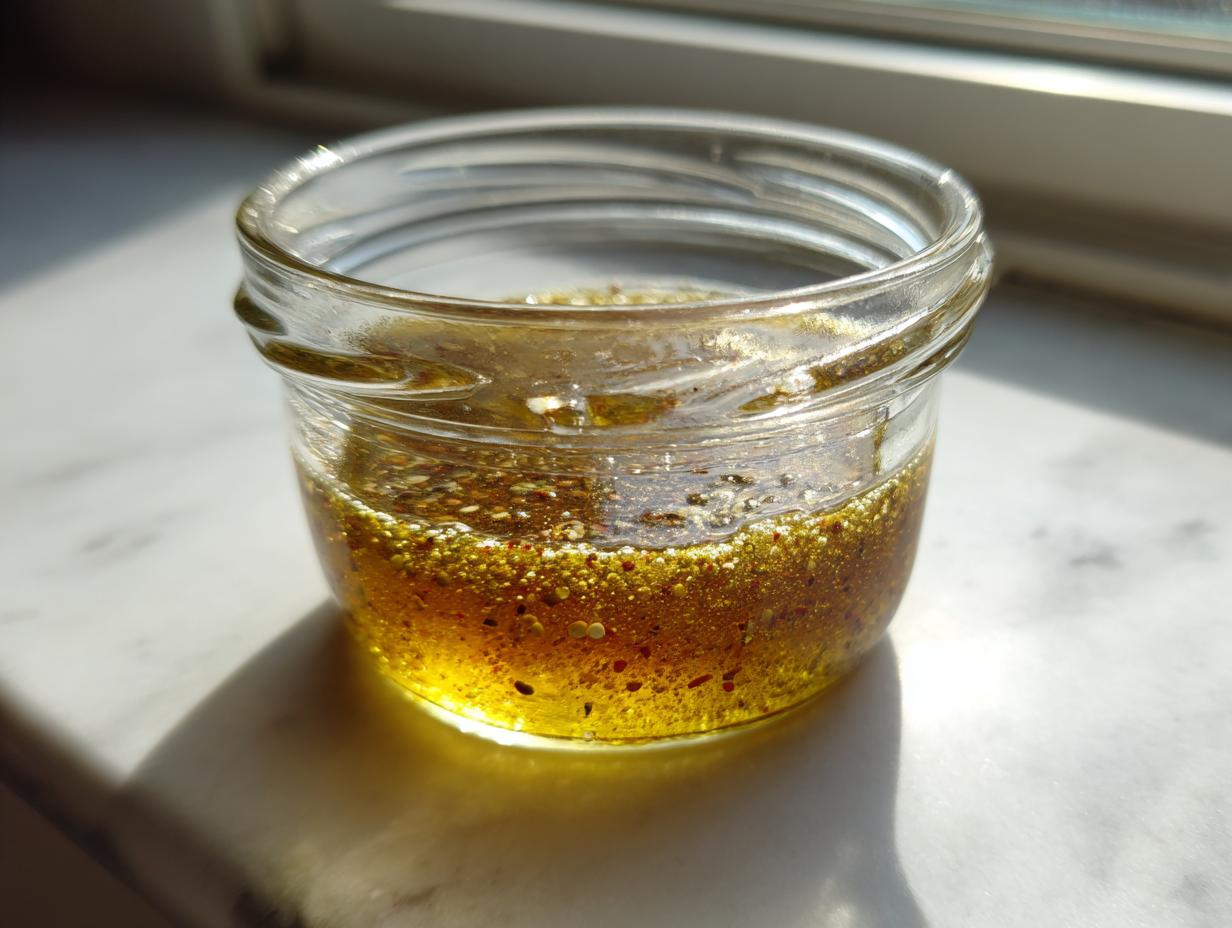
I don’t know about you, but reading those tiny ingredient lists on store-bought bottles always makes me nervous. All those names I can’t pronounce! When I started Mia’s Meals, it was because I wanted to simplify things, and that absolutely includes making my own salad dressing. I inherited my love for fresh, honest food from my mom and Grandma, and I promise you, making a truly flavorful dressing doesn’t take much time at all. I’ve gathered my three absolute favorite, must-know recipes—they’re all ready to go in under five minutes. You can find more simple recipes like my easy homemade cranberry sauce recipe, but right now, let’s focus on salad perfection. Trust me, once you try these, you won’t look back.
- Why You Need These 5-Minute Homemade Salad Dressing Recipes
- Essential Ingredients for Perfect Homemade Salad Dressing Recipes
- How to Make Each 5 Minute Salad Dressing
- Expert Tips for Restaurant Style Salad Dressing Success
- Variations on These Healthy Salad Dressing Recipes
- Storage and Best Practices for Your Homemade Salad Dressing
- Frequently Asked Questions About Easy Salad Dressing
- Nutritional Snapshot of Our Salad Dressing Collection
- Share Your Homemade Salad Dressing Creations
Why You Need These 5-Minute Homemade Salad Dressing Recipes
You absolutely need to ditch those bottles sitting in your fridge door. I spent years wondering why my salads tasted so flat, and it always came down to that sugary, additive-filled stuff. Making your own means you control everything that goes on your plate. It’s quick, it’s healthy, and honestly, it just tastes better!
- You get vibrant, fresh flavor that store brands just can’t compete with.
- No hidden sugars or preservatives—you know exactly what you’re eating.
- They are perfect for any kind of salad you toss together. Visit my healthy lunch recipes for salad inspiration!
Quick Preparation for Every Busy Weeknight
Seriously, five minutes is all it takes. If you have a jar and a lid that seals tight, you are set. This means you can whip up a perfect salad dressing right before dinner, even if you are rushing around like I usually am.
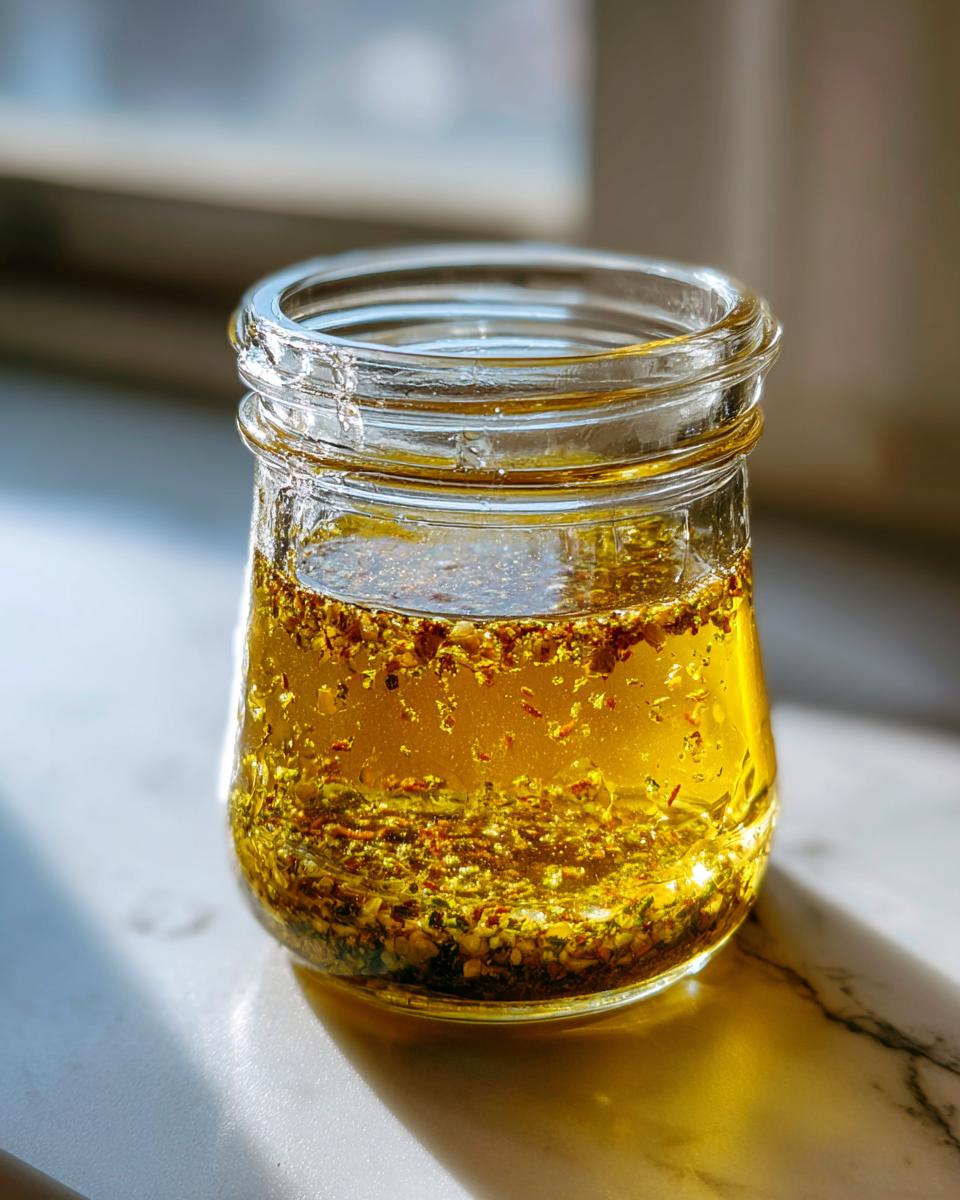
Fresh Flavor Beats Store Bought Dressing Alternatives
Think about it: the flavor separates immediately on the shelf. When you make it—even just shaking it up—it’s an emulsion that coats the leaves beautifully. These are the ultimate store bought dressing alternatives because the freshness level is off the charts.
Essential Ingredients for Perfect Homemade Salad Dressing Recipes
Before we get shaking, we need to talk about what goes into the jar. In my world, if you’re making something this simple, the quality of your ingredients matters a million times more. You can’t hide behind unnecessary fillers if you’re using real olive oil and fresh lemon juice!
These three recipes share a few staples—good quality oil and mustard are key—but they each have a little star ingredient that makes them shine. This is the foundation for all those fantastic salad dressing options you’ll whip up.
Ingredients for the Classic Vinaigrette Salad Dressing
This one is my go-to. It’s simple, bright, and you can truly adapt it a hundred different ways. The ratio here is the classic foundation for almost any basic vinaigrette recipe.
- 3 tablespoons extra virgin olive oil (use the good stuff here!)
- 1 tablespoon fresh lemon juice or your favorite vinegar
- 1 teaspoon Dijon mustard (don’t skip this, it helps it stick together!)
- 1/4 teaspoon salt
- 1/8 teaspoon black pepper
Ingredients for the Zesty Creamy Salad Dressing
When I want something that feels a little more substantial, like a creamy salad dressing but without the heavy mayo, this Greek yogurt version is the ticket. It’s fantastic on simple greens or drizzled over roasted veggies.
- 1/2 cup plain Greek yogurt (full fat is best for texture, but use what you have!)
- 2 tablespoons grated Parmesan cheese
- 1 tablespoon lemon juice
- 1 clove garlic (minced very, very fine)
- 1 tablespoon water (or more for thinning)
- 1/4 teaspoon salt
Ingredients for the Maple Mustard Vinaigrette
This is my favorite sweet and savory option—it’s that gorgeous balance that makes me finish my entire bowl of greens. It’s seriously addictive; people always ask how I get that perfect flavor in my maple mustard dressing.
- 1/4 cup extra virgin olive oil
- 2 tablespoons apple cider vinegar
- 1 tablespoon pure maple syrup (real maple syrup, please!)
- 1 tablespoon Dijon mustard
- 1/4 teaspoon salt
How to Make Each 5 Minute Salad Dressing
Okay, now that we have our star ingredients laid out, this is where the magic happens—and it happens fast! Honestly, the key to these salad dressing recipes being so quick is using a jar with a tight-fitting lid. It just works better than any whisk!
Step-by-Step: Classic Vinaigrette Recipe
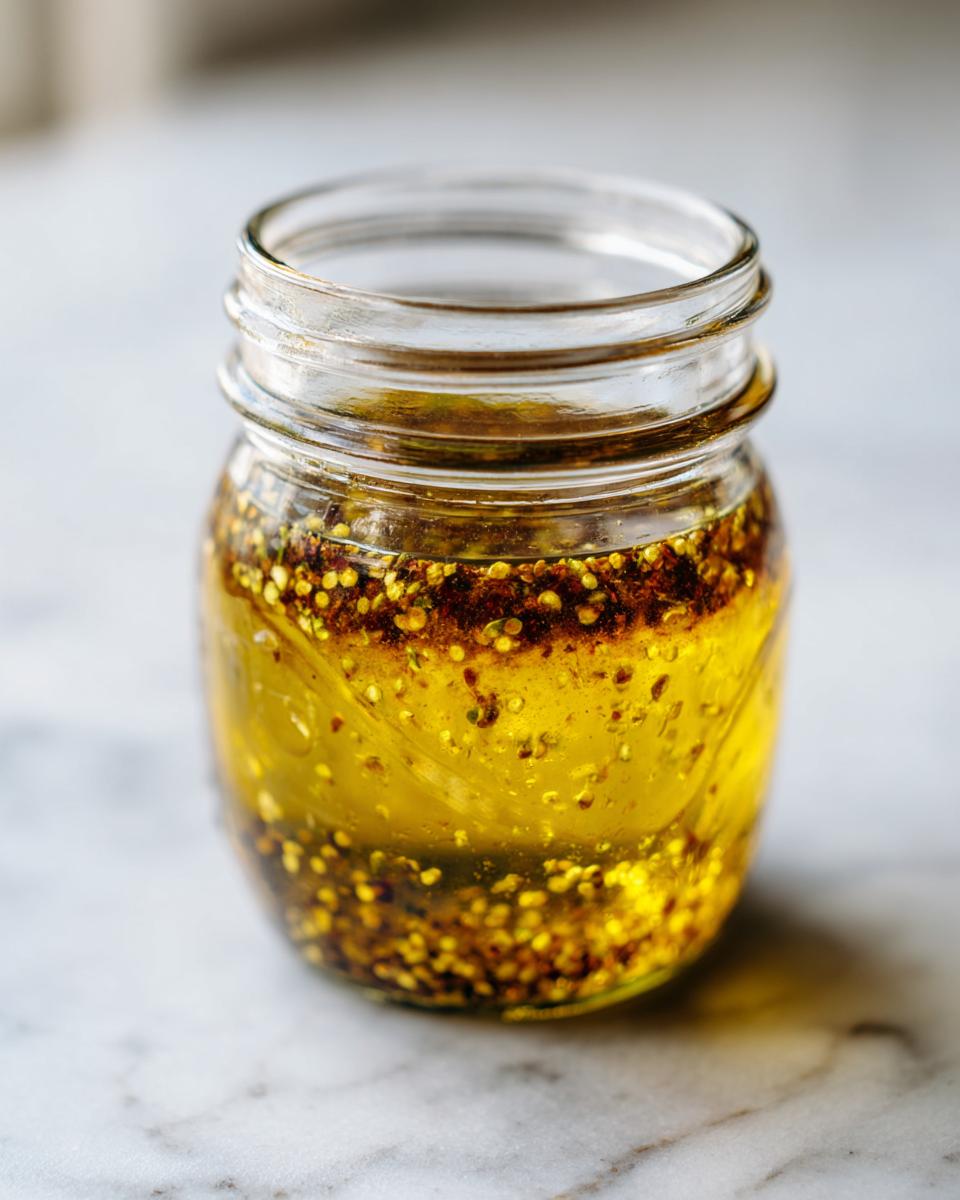
For our foundational vinaigrette recipe, grab a small jar. Toss in your olive oil, lemon juice, Dijon, salt, and pepper. Now, put that lid on tight—and I mean tight! Shaking is better than whisking because you are forcing those two liquids that don’t want to mix together to become one beautiful, unified dressing. Shake it like you mean it until it looks a little creamy, that’s called emulsifying. Then, sneak a taste! Does it need a tiny bit more salt? A little more zing from the lemon? Adjust it right there. That’s how you get your perfect lemon salad dressing.
Preparing the Creamy Salad Dressing
For the yogurt version, we’re doing things the old-fashioned (but still fast!) way. In a small bowl, combine your Greek yogurt, Parmesan, lemon juice, and that minced garlic. Whisk it together until it’s looking smooth. Now, here is the critical part for any creamy salad dressing: the water. Add it one teaspoon at a time while you keep whisking. You want it thin enough to pour easily over your romaine, but thick enough that it clings to the lettuce. Don’t dump the water in all at once or you’ll end up with a watery mess!
Mixing the Maple Mustard Dressing
The maple mustard dressing follows the same principle but we’re focusing on blending that sweetness. Unlike the creamy one, this one does great in a jar too! Combine your oil, apple cider vinegar, maple syrup, Dijon, and salt. Give it a really good shake. I find shaking this one for a full 30 seconds ensures that sticky maple syrup dissolves completely into the vinegar and oil mix. This results in a gorgeous, evenly seasoned salad dressing that works great on winter greens, too!
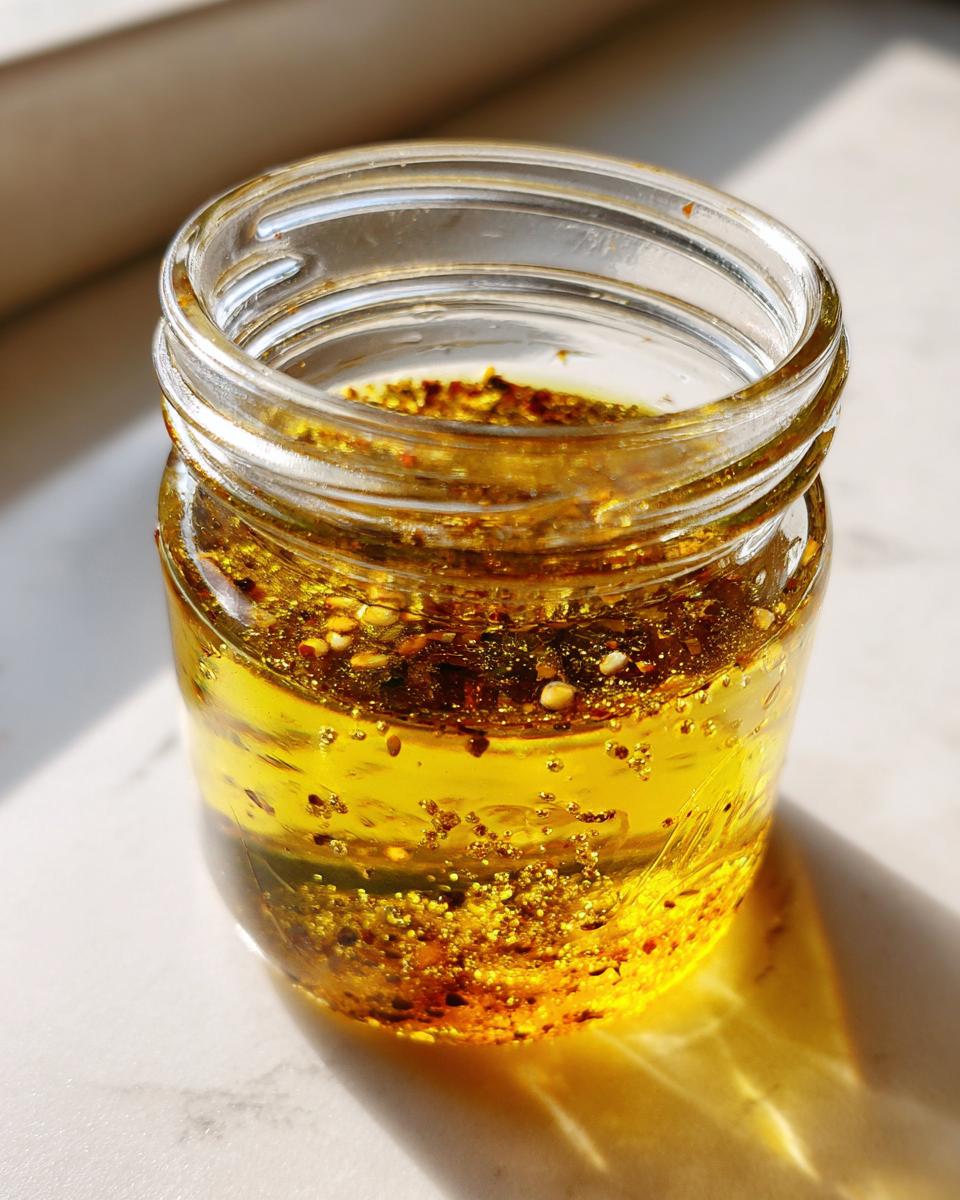
Remember, these quick recipes were perfected so I could get dinner on the table faster after my marketing job. You can see more of my fuss-free ideas for getting dinner done fast here!
Expert Tips for Restaurant Style Salad Dressing Success
Now that you know the basics, let’s talk about how to get that extra special touch that makes people ask, “Where did you buy this amazing salad dressing?” Getting that true restaurant style dressing look and taste is all about technique when you’re whipping these up at home. It’s just a tiny bit more patience separating the oil and vinegar, but the payoff is huge!
Achieving Perfect Emulsion in Your Vinaigrette Recipe
Shaking a jar is foolproof, and I love it for its speed! But if you’re making a big batch or just prefer using a bowl and a whisk, you have to pour that olive oil in unbelievably slowly. I mean, we’re talking a thin, steady stream, while you whisk like crazy. If you dump the oil in too fast, the water and oil just decide they hate each other, they separate immediately, and you end up with a thin layer of oil floating on top—not what we want for a good vinaigrette recipe!
When you pour slowly, you give the mustard or salt time to grab onto the oil molecules and suspend them in the acid. It makes your dressing look creamy, thick, and glossy, just like you see in those fancy places. You can check out how I use similar slow-drip techniques when making sauces for my baked Caesar chicken, too!
Flavor Adjustments for Your Go-To Salad Dressing
When I taste test any of these three recipes, I’m always looking for balance. It’s a simple triangle: Fat (Oil/Yogurt), Acid (Vinegar/Lemon), and Salt. If it tastes flat, it usually needs salt or acid. If it tastes harsh, it needs a little more fat or a tiny pinch of sweetness—that’s where the maple syrup shines in the mustard one!
For instance, if you want to make this exactly like a punchy Greek salad dressing, skip the lemon in the classic recipe and use red wine vinegar instead. Then, pump up the oregano in the final mix. That strong acidity cuts through the salty feta wonderfully. Always taste and adjust your acid and salt last; that’s the secret professionals use to make every batch taste spot-on.
Variations on These Healthy Salad Dressing Recipes
The beauty of mastering these three basic salad dressing templates is that they become building blocks for anything you can dream up! You don’t need a whole new recipe book when you tweak these base formulas. This adaptability is exactly what makes them such great healthy salad dressing choices for whatever’s in season.
I’ve kept these recipes flexible so you can customize them for different dietary needs. Remember, everything we’re making here is naturally gluten free, but if you want a creamy dressing that’s completely dairy-free, we have a simple fix!
Making a Vegan Salad Dressing Swap
If you loved the texture of the Creamy Parmesan Dressing but need it to be vegan, the substitution is surprisingly easy. Instead of Greek yogurt, you’re going to use cashew cream or even silken tofu blended until perfectly smooth. You’ll still add the lemon juice and garlic, of course.
The trick here is to adjust the liquid. Cashew cream can be much thicker, so you might need to add a touch more water or even plant-based milk to get that perfect pourable consistency. Keep whisking until it tastes incredible—you can even sneak in a little nutritional yeast for extra cheesy flavor if you want that savory depth in your vegan salad dressing!
Adding Herbs for a Fresh Salad Topping
Honestly, herbs are the easiest way to completely change the profile of whatever salad dressing you’ve whipped up. Once you have your base shaken in the jar—say, the Classic Vinaigrette—just pop the lid off and toss in about a tablespoon of fresh, chopped herbs. This turns it into an instant, bright fresh salad topping.
Dill is absolutely dynamite with the Maple Mustard. If you like a really earthy flavor, finely minced chives work wonders in the Creamy Dressing. And for a simple green leafy salad, you can’t go wrong with a mix of flat-leaf parsley and a little fresh oregano. It takes zero extra time but adds so much professional flair to your basic dressings for salads. Check out more amazing ideas for fresh flavor boosting here!
Storage and Best Practices for Your Homemade Salad Dressing
I know what you’re thinking: “Mia, I made a huge batch! How long can I keep this beautiful salad dressing before it goes bad?” That’s the best part about making it fresh—you control the shelf life because you left out all the preservatives that make store stuff last forever!
Generally, all three of these recipes are good to go for about 5 to 7 days in the refrigerator. Because they are so packed with fresh ingredients, they just don’t last as long as the shelf-stable stuff, but trust me, you’ll use them up long before day five!
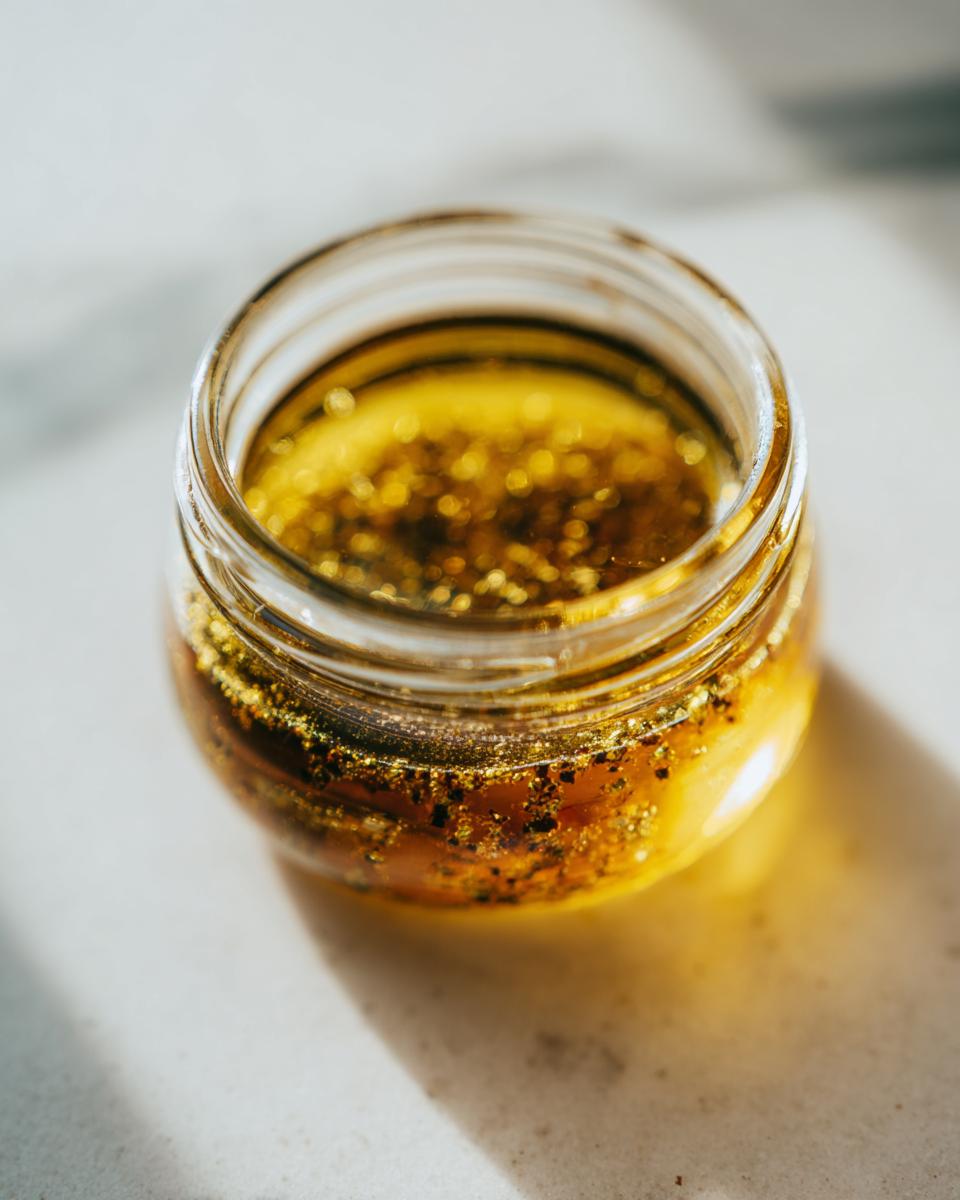
The one thing you absolutely have to remember, especially with the vinaigrettes, is that they will separate when they sit cold. Don’t panic when you pull that jar out and see the oil floating on top—that just means you used real oil that solidified a little! You actually need to perform a revival step.
For the vinaigrettes (both the classic and the maple mustard), you need to let it sit on the counter for about 15 minutes to warm up slightly, and *then* shake it like crazy before drizzling. If your salad dressing is stubbornly separated, you can even drop the whole sealed jar into a bowl of warm (not hot!) water for a minute to encourage the oil to loosen up. Works like a charm every time!
The Creamy Parmesan Dressing needs a similar wake-up call. It might get very thick because of the Greek yogurt. If whisking doesn’t get it moving, add just a tiny bit more water or milk—a teaspoon at a time—until it flows nicely again. It’s still going to taste fantastic, just maybe a touch heavier than when you first made it. Keep learning ways to simplify your kitchen by checking out my tips on easy homemade cranberry sauce here!
Frequently Asked Questions About Easy Salad Dressing
I get so many questions about these simple recipes! It’s wonderful how many of you are jumping ship from the grocery store aisle. Here are the things I hear most often when people are first trying their hand at making their own salad dressing. Hopefully, this helps answer any last-minute doubts about making these easy breakfast ideas—wait, I mean dressings—at home!
Can I make a gluten free dressing using these methods?
Oh, absolutely! One of the best parts about using whole ingredients like vinegar, oil, Dijon, maple syrup, and yogurt is that these recipes are naturally **gluten free dressing** friendly. Since we aren’t adding any thickeners or starches, they skip right over that hurdle. You don’t have to worry about anything when you’re using these bases. It’s just clean, simple flavor!
How long do these quick salad sauce recipes last in the fridge?
Because we’re leaving out those preservatives—yay!—they don’t last forever, but they certainly last long enough for a week of healthy lunches. I find my batches of salad dressing—especially the vinaigrettes—are best consumed within 5 to 7 days. That’s way better than the store-bought stuff, which I swear lasts until the next election cycle! Just remember what I said about shaking them up again if they separate in the cold. You want that freshness, and this timeframe gives you maximum flavor.
What is the best way to make ranch dressing homemade?
That’s a great question! While I didn’t include a full recipe for ranch dressing homemade in this particular trio, the technique is extremely similar to my Creamy Parmesan Dressing. The secret is taking that Greek yogurt base and replacing the Parmesan with a blend of dry herbs—usually dried dill, chives, garlic powder, and onion powder. You might need to thin it slightly more than the Parmesan version to get that classic, pourable ranch consistency. If you whisper those herbs into the yogurt base, you’ll have a stellar homemade ranch in minutes!
Nutritional Snapshot of Our Salad Dressing Collection
I know a lot of you are reading these recipes because you want something healthier, and I totally get it! Knowing what you’re putting on your greens is just as important as knowing how delicious it tastes. Below is an estimate breakdown for a standard two-tablespoon serving size for each of these salad dressing options.
Now, a small disclaimer from me to you: I always tell people that these numbers are estimates, kind of like my best guess! The exact counts for calories or fat can change depending on whether you use a lighter olive oil or a richer Greek yogurt. So, take these as a great starting point, but remember that using better quality ingredients generally means better quality nutrition—and that’s what matters most to me!
Here is the quick look at the nutrition data based on the amounts listed in the recipes:
- Serving Size: 2 tablespoons
- Calories (Estimate): 120 (This is generally closest to the Vinaigrette recipes)
- Sugar (Estimate): 1g (Mostly from the Maple Mustard Dressing)
- Sodium (Estimate): 150mg (This varies wildly based on how much salt you add!)
- Fat (Estimate): 13g
- Protein (Estimate): 1g
See? When you make your own homemade salad dressing recipes, you keep the sugar count so low compared to what you buy off the shelf! That’s a win in my book every single time. You’re in total control!
Share Your Homemade Salad Dressing Creations
Wow, that was fast! We went from sad, store-bought sauces to three perfectly balanced, fresh salad dressing options in practically no time. I truly hope you’re as excited about these five-minute miracles as I am. I can picture you drizzling that Maple Mustard over some crisp apples or loving how perfectly the Classic Vinaigrette coats those tender spring greens.
This is where the Mia’s Meals community really shines! I absolutely thrive on seeing your kitchen in action. When you make one of these recipes, please do me a huge favor and come back here to leave a rating below. A simple five-star review tells me that this recipe is reliable and deserves a spot in someone else’s busy week, too.
But even better than the rating? Seeing your creations! Seriously, snap a picture of the beautiful bowl of salad you dressed up with your new homemade salad dressing recipes and tag me online. I want to know which one you tried first. Was it the tangy Classic, the satisfying Creamy Parmesan, or the sweet-and-savory Maple Mustard? Drop a comment below and let me know!
If you have any troubleshooting questions or if you want to share a wild customization that turned out amazing, please use my contact page to reach out. Getting feedback like yours is what keeps me simplifying family cooking one great recipe at a time. Happy drizzling, friends!
PrintThe Ultimate Collection of 5-Minute Homemade Salad Dressing Recipes
Stop buying store-bought dressings. Learn to make three essential, flavorful, and healthy homemade salad dressings—Classic Vinaigrette, Creamy Parmesan, and Maple Mustard—in under five minutes each.
- Prep Time: 5 min
- Cook Time: 0 min
- Total Time: 5 min
- Yield: About 1/2 cup per recipe
- Category: Condiment
- Method: Shaking/Whisking
- Cuisine: American
- Diet: Vegetarian
Ingredients
- For Classic Vinaigrette: 3 tablespoons extra virgin olive oil, 1 tablespoon fresh lemon juice or vinegar, 1 teaspoon Dijon mustard, 1/4 teaspoon salt, 1/8 teaspoon black pepper
- For Creamy Parmesan Dressing: 1/2 cup plain Greek yogurt, 2 tablespoons grated Parmesan cheese, 1 tablespoon lemon juice, 1 clove garlic (minced), 1 tablespoon water (or more for thinning), 1/4 teaspoon salt
- For Maple Mustard Vinaigrette: 1/4 cup extra virgin olive oil, 2 tablespoons apple cider vinegar, 1 tablespoon pure maple syrup, 1 tablespoon Dijon mustard, 1/4 teaspoon salt
Instructions
- For the Classic Vinaigrette: Combine olive oil, lemon juice/vinegar, Dijon mustard, salt, and pepper in a small jar. Seal the jar tightly and shake vigorously until the dressing emulsifies. Taste and adjust seasoning.
- For the Creamy Parmesan Dressing: Combine Greek yogurt, Parmesan cheese, lemon juice, minced garlic, salt, and water in a small bowl. Whisk until smooth. Add more water, one teaspoon at a time, until you reach your desired consistency for coating salads.
- For the Maple Mustard Vinaigrette: In a separate small jar or bowl, combine olive oil, apple cider vinegar, maple syrup, Dijon mustard, and salt. Whisk well or shake until fully combined and slightly thickened.
- Use any of these fresh salad toppings immediately over your favorite greens or store them in airtight containers in the refrigerator for up to one week.
Notes
- For a restaurant-style dressing texture, always add the oil slowly while whisking constantly if not using a jar.
- You can substitute the lemon juice in the Classic Vinaigrette with red wine vinegar for a bolder flavor, similar to Greek salad dressing.
- These recipes are naturally gluten free and vegetarian. For a vegan option in the creamy dressing, replace Greek yogurt with a cashew cream base.
Nutrition
- Serving Size: 2 tablespoons
- Calories: 120
- Sugar: 1
- Sodium: 150
- Fat: 13
- Saturated Fat: 2
- Unsaturated Fat: 11
- Trans Fat: 0
- Carbohydrates: 1
- Fiber: 0
- Protein: 1
- Cholesterol: 5