

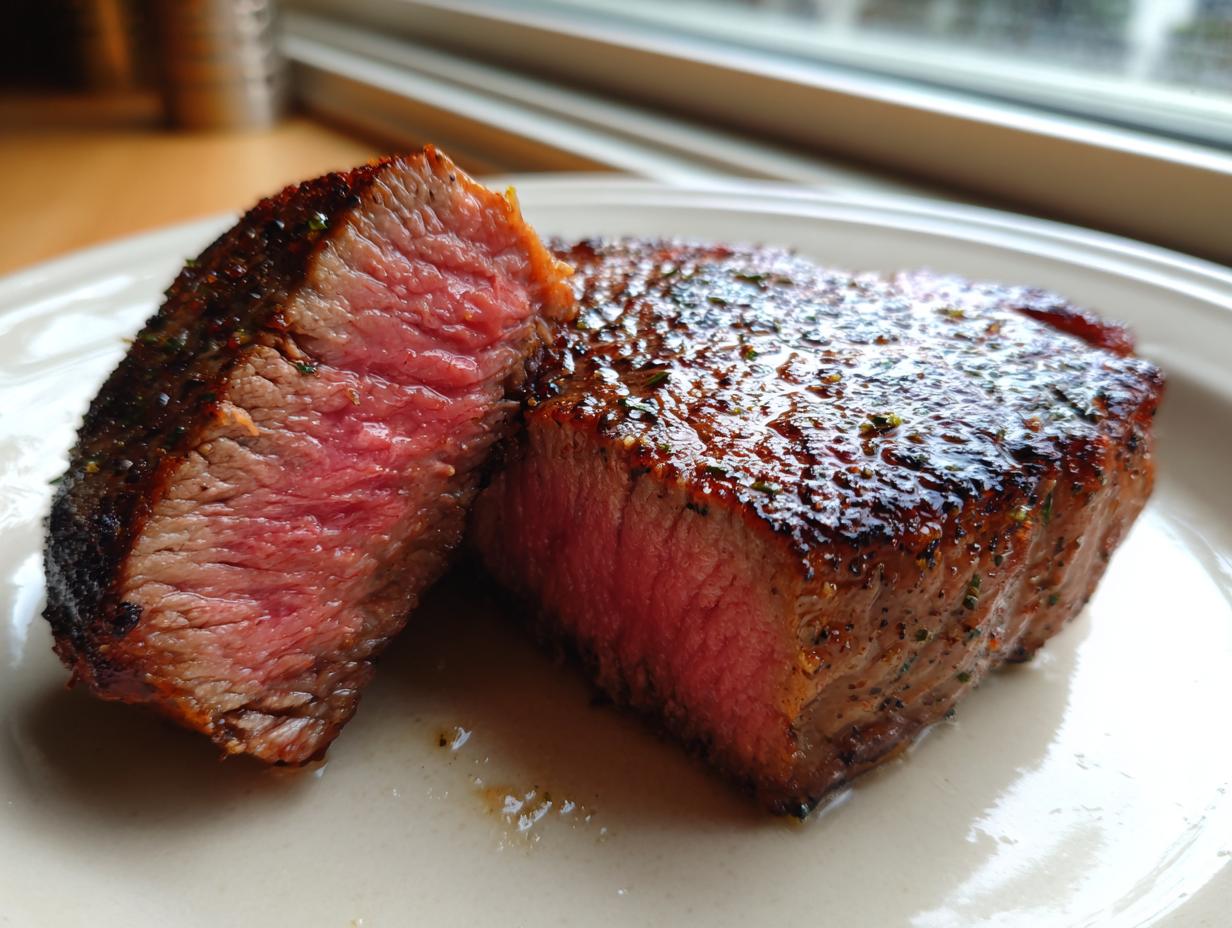
I know that sinking feeling, staring at a gorgeous, thick-cut ribeye steak, terrified you’re going to mess up that expensive piece of meat. We all want that shatteringly crisp crust and that unbelievably juicy, tender interior you only get at a high-end steakhouse, right? Well, welcome to Mia’s Meals, where we cut through the confusion! After years of simplifying recipes that used to take all day, I promise you, making a restaurant-quality ribeye steak is surprisingly easy with the right method. Trust me, this Cast Iron Pan-Seared technique is my go-to for the perfect sear every single time. It brings that connection back to the kitchen that I missed from my childhood.
- Why This Cast Iron Ribeye Steak Recipe Delivers Restaurant Quality Steak at Home
- Ingredients for the Best Ribeye Steak Recipe
- The Step-by-Step Pan Seared Steak Technique for a Juicy Steak at Home
- Ribeye Steak Temperature Guide for Flawless Doneness
- Tips for Success When Cooking Your Ribeye Steak
- Serving Suggestions for Your Perfect Steak Sear
- Storage and Reheating Instructions for Leftover Ribeye Steak
- Frequently Asked Questions About How to Cook Ribeye Steak Perfectly
- Nutritional Data for This Cast Iron Ribeye Steak
- Share Your Perfect Ribeye Steak Results
Why This Cast Iron Ribeye Steak Recipe Delivers Restaurant Quality Steak at Home
Listen, you don’t need three different pans or a fancy sous-vide machine to nail this. My favorite way to get that amazing Restaurant Quality Steak at Home involves just one heavy cast iron skillet. It’s all about harnessing incredibly high heat!
- The Sear: Cast iron holds heat like nothing else. That intense heat is what creates that deep, flavorful, brown crust—the perfect steak sear we all chase.
- The Baste: Adding butter, garlic, and herbs at the end lets you continuously spoon flavor right over the meat as it finishes cooking. It’s decadent and fast!
- The Finish: We pull the steak just before it hits the perfect temperature, letting a short rest do the hard work of distributing those juices.
The Importance of Temperature and Dryness for Your Ribeye Steak
Two things make or break this whole operation before the steak even touches the pan. First, you absolutely have to pull your steaks out of the fridge about 45 minutes early. A cold steak hitting a hot pan pulls the temperature down immediately, and suddenly, you’re steaming instead of searing.
Second, you have to pat them dry. I mean *bone-dry*. Use paper towels and blot all sides until you feel like you’re going to tear the meat. Moisture is the enemy of a great crust. Seriously, don’t skip this simple step!
Ingredients for the Best Ribeye Steak Recipe
I keep the seasoning super straightforward because the quality of the meat should shine through. This isn’t the time for complicated rubs! We want high-quality salt and pepper to build that exterior crust. For the basting magic, we are grabbing rich butter and a few fragrant aromatics. You’ll want thick cuts for this, about 1.5 inches thick—that thickness is what lets us develop the crust without overcooking the center. Don’t forget to check out my easy garlic butter recipe if you want to make extra!
- 2 (1.5-inch thick) ribeye steaks
- 2 tablespoons coarse salt
- 1 tablespoon black pepper
- 2 tablespoons high-heat oil (like avocado or grapeseed)
- 4 tablespoons unsalted butter
- 4 cloves garlic, smashed
- 4 sprigs fresh thyme
- 2 sprigs fresh rosemary
The Step-by-Step Pan Seared Steak Technique for a Juicy Steak at Home
Okay, this is where the magic really happens! We are moving away from complex roasting methods and focusing purely on the classic, intense heat approach. This Pan Seared Steak Technique ensures that every time you try this, you get that incredibly craveable crust. Remember, we want a juicy steak at home, and controlled heat makes that happen. Follow these steps exactly, and you won’t be disappointed with your beautiful ribeye steak!
Achieving the Perfect Sear and Initial Cook on Your Ribeye Steak
Get that heavy cast iron ready over high heat. We need it screaming hot—seriously, let it preheat for a good five minutes. Add your high-heat oil, and wait until you see the tiniest wisp of smoke coming off it. That’s the signal! Gently place your seasoned steaks into the skillet; you should hear an aggressive sizzle. Don’t touch them for about two to three minutes. We are building that foundation, so resist the urge to peek or poke around!
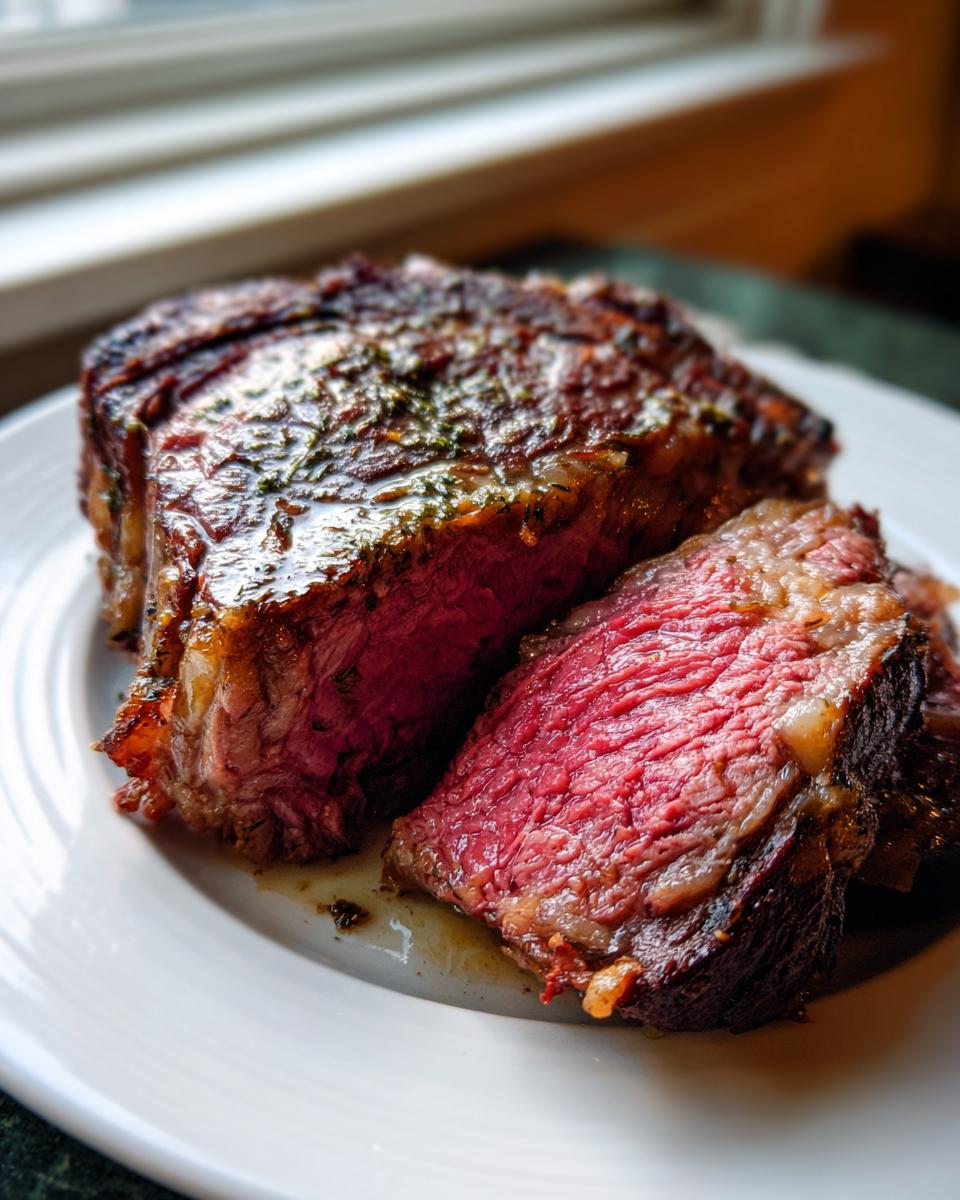
Mastering the Cast Iron Ribeye Steaks Basting Technique
Once you flip your Cast Iron Ribeye Steaks, immediately reduce the heat to medium—we don’t want to burn the butter too fast! Now, toss in your cold butter right next to the meat. Once it melts, add those smashed garlic cloves and the thyme and rosemary sprigs. Tilt that skillet just slightly so the herb butter pools on one side. Grab a big spoon and scoop that fragrant, bubbly butter mixture over the top of the meat continuously. This basting floods the surface of the ribeye steak with flavor and pushes it toward that perfect internal temperature.
Ribeye Steak Temperature Guide for Flawless Doneness
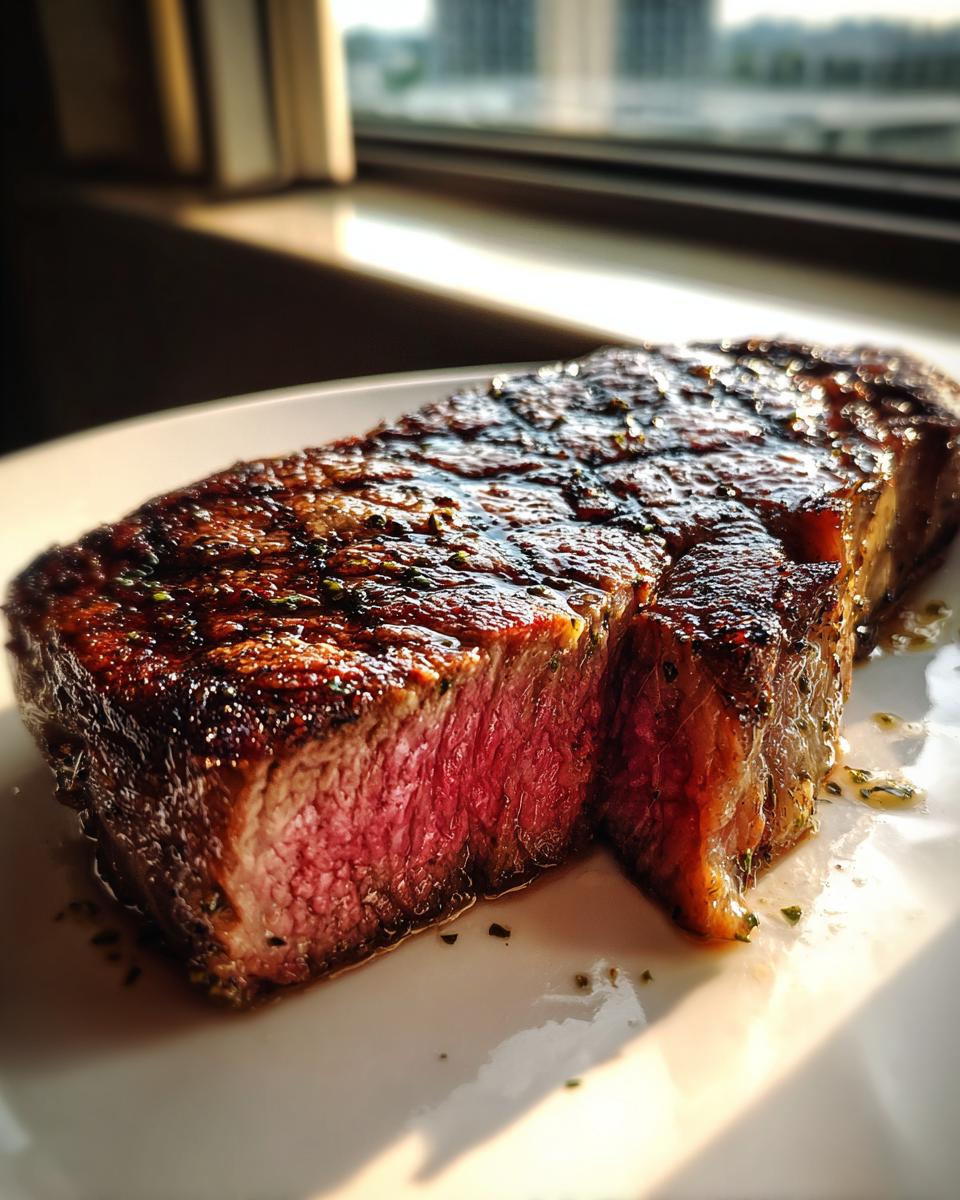
If you want that juicy steak every time, you must stop cooking by time alone! That’s where the Ribeye Steak Temperature Guide comes in handy. Investing in a reliable instant-read meat thermometer is the single best decision you can make for your steak dinners. It takes all the guesswork out of the equation for you.
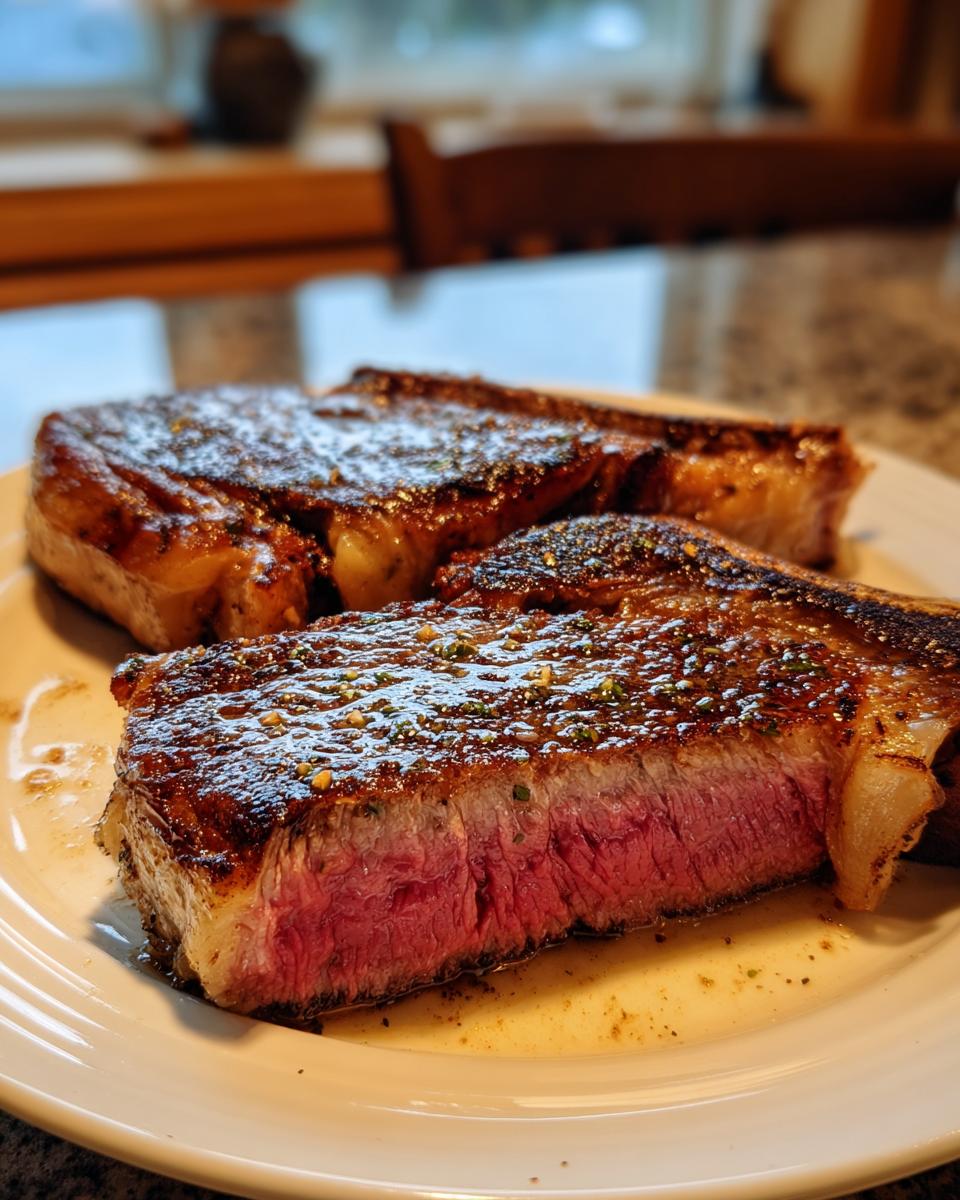
For a nice rare steak, you’re pulling it off the heat around 120°F. But for that perfect, tender edge-to-edge medium-rare, aim for 125°F before resting, knowing it will climb up to 130°F as it rests. If you like it a touch firmer, pull it at 135°F for medium. Remember, the second you take the steak off that hot cast iron, it keeps cooking! That 10-minute rest is crucial not just for juice redistribution, but also for allowing the temperature to stabilize perfectly.
Tips for Success When Cooking Your Ribeye Steak
I want you to feel so confident about your next dinner that you skip the expensive steakhouse altogether! Achieving that truly Juicy Steak at Home comes down to a few non-negotiable details. First, let’s talk seasoning—don’t be shy! That coarse salt you added earlier? You need a lot of it. It cures the outside slightly and helps draw out the moisture just enough so you get the sear instead of steaming the meat.
Second, I mentioned high-heat oil, but let me emphasize: don’t use olive oil here. It burns too easily at these temperatures. Stick with avocado or grapeseed oil for that initial blast. You can find a detailed comparison on how temperature affects oil smoke points here, if you’re interested!
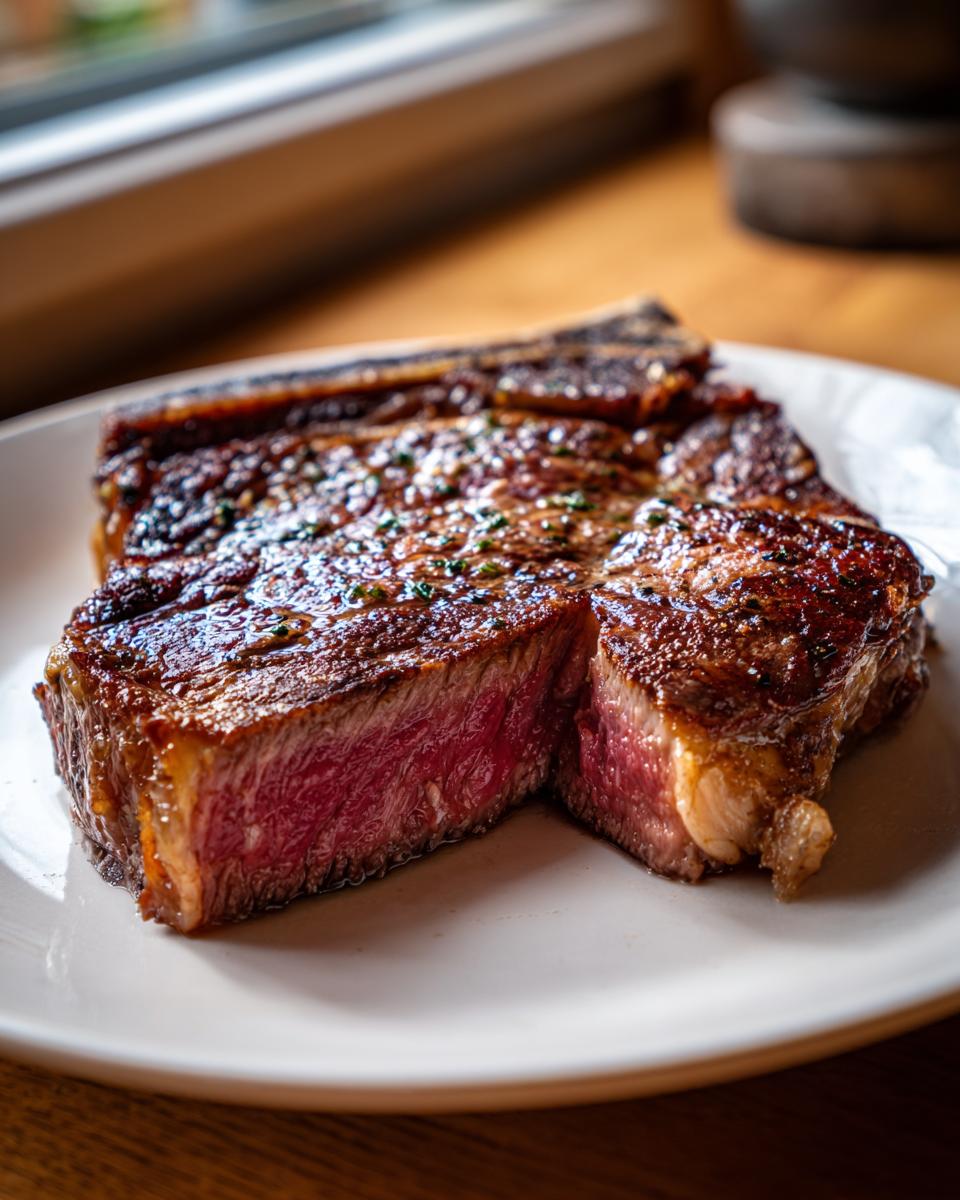
Finally, please, please let your ribeye steak rest. Ten minutes uncovered on a cutting board might feel like forever when you’re hungry, but if you slice it right away, all that precious internal moisture runs right out onto the board. We want the juices staying *inside* the steak!
Serving Suggestions for Your Perfect Steak Sear
Now that you’ve successfully created a beautiful, crusty steak that’s perfectly pink inside, what are you going to serve alongside it? I feel like a perfect steak deserves sides that are equally comforting but still easy enough for a Tuesday night. You want something starchy to soak up all those delicious garlic-herb butter juices left in the pan, and something green to balance out the richness, right?
For a wonderful starch that always gets requested here at my house, I highly recommend my creamy mashed sweet potatoes. The hint of maple and brown butter is just divine next to the rich beef flavor. It feels fancy but comes together so quickly!
On the vegetable front, you can’t go wrong with something roasted and slightly crisp. My go-to pairing involves roasting up some broccoli with garlic and parmesan, which you can find the recipe for here. The slight char on the greens really complements the char you worked so hard to build on your steak. Or, honestly, sometimes I just throw a simple green salad together—it lets that amazing steak truly be the star of the show!
Storage and Reheating Instructions for Leftover Ribeye Steak
Nobody wants to wake up to sad, dry leftovers, especially when you’ve cooked a beautiful ribeye steak! The good news is that this steak does keep surprisingly well if you treat it right. Store any remaining steak in a truly airtight container in the fridge. You want it sealed up tight—it’s good for about three to four days maximum. Don’t just wad it up in foil; moisture loss is your enemy here!
When it’s time to reheat, forget the microwave unless you enjoy shoe leather. The secret to keeping your leftover ribeye steak tender is to slice it thinly against the grain first. Then, you can gently warm those slices in a skillet over low heat with just a tiny splash of beef broth or even some reserved pan butter. It just needs a minute or two to warm through—we are not cooking it further! This way, it stays tender enough for a quick sandwich or a topping for a salad.
Frequently Asked Questions About How to Cook Ribeye Steak Perfectly
I’ve gotten so many messages asking the specifics about this method, which is totally understandable! When you are spending good money on a high-quality cut, you want to know How to Cook Ribeye Steak Perfectly on that first try. Here are the things I get asked about the most often!
Can I use the reverse sear method instead of pan-searing?
You absolutely can, and it’s a fantastic method, especially for really giant cuts, like a 2-inch plus steak! The reverse sear involves gently cooking the steak in a low oven until it’s just shy of your target temperature, and *then* you hit it with that scorching hot cast iron pan for the crust. For this recipe, I teach the pan-sear first because it’s faster for a weeknight dinner, but the reverse sear is another great way to guarantee a tender center. You can see a great take on a general approach over here.
What is the best oil for searing my steak?
This is important! You need an oil with a high smoke point because that pan needs to be hot enough to sear quickly. Do not grab your nice extra virgin olive oil; it will just burn and taste bitter. I rely on avocado oil or plain grapeseed oil because they can handle the heat generated in cast iron cooking without breaking down. They are flavor-neutral, letting that garlic butter shine later!
Can I use a really thin cut of ribeye steak for this recipe?
Oh, honey, no. This specific garlic butter basting technique truly shines when you have thickness on your side. Thin steaks cook through way too fast when you introduce high heat, meaning you’d go from raw to well-done in seconds! For a great sear and a proper medium-rare center, stick to cuts that are at least 1.25 inches, but preferably 1.5 inches thick, like the recipe calls for. Thicker is actually easier to manage than thinner cuts here. If you end up with thinner cuts, just use medium heat the entire time, skip the long sear, and watch your temperature closely.
Do I need to use fresh herbs for the basting?
While dried herbs are great for rubs, for basting, fresh herbs are essential—they don’t burn as quickly, and they release that wonderful aromatic oil when they hit the hot butter. The combination of thyme and rosemary is classic, but if you have fresh oregano, toss a sprig in there too! The method is so simple, it works even if you are just making my apple strudel on the side!
Nutritional Data for This Cast Iron Ribeye Steak
Now, I always say that when we’re enjoying luxury meals like a perfectly cooked ribeye steak, we aren’t necessarily focusing on the macros, but I totally understand wanting to know what you’re eating! I always gather up the estimates for you so you have a good ballpark figure.
Please keep in mind that these numbers are just estimates based on the specific ingredients listed in the recipe above. If you use a thicker or thinner steak, or if you swap out the oil, these figures will change a little bit, so treat this as a helpful guide rather than a guarantee!
- Serving Size: 1 steak
- Calories: 650
- Fat: 50g
- Saturated Fat: 22g
- Carbohydrates: 0g
- Protein: 45g
The fat content looks high, and that’s because we are using a beautiful, well-marbled cut of beef and finishing it with a generous amount of butter for that incomparable basting flavor. Good news, though—there are zero carbs here, which is perfect if you’re sticking to a low-carb lifestyle! Enjoy every single bite knowing you earned that delicious brown crust.
Share Your Perfect Ribeye Steak Results
Wow! I am so proud of you for tackling this incredible ribeye steak recipe. Did you get that gorgeous, restaurant-ready sear that we talked about? I truly want to hear all about it!
Please come back down here, leave me a rating so others know this works, and tell me how it went in the comments. If you snapped a picture of that perfect slice, feel free to share it on social media and tag us—we love seeing your results! I can’t wait to hear about your steak night. If you have any quick recipe questions, you can always reach out using my contact page!
PrintPerfect Cast Iron Ribeye Steak with Garlic Herb Butter Basting
Learn the simple steps to cook a restaurant-quality, juicy ribeye steak at home using a cast iron skillet and aromatic butter basting for a perfect sear.
- Prep Time: 45 min
- Cook Time: 10 min
- Total Time: 55 min
- Yield: 2 servings 1x
- Category: Dinner
- Method: Pan-Searing
- Cuisine: American
- Diet: Low Fat
Ingredients
- 2 (1.5-inch thick) ribeye steaks
- 2 tablespoons coarse salt
- 1 tablespoon black pepper
- 2 tablespoons high-heat oil (like avocado or grapeseed)
- 4 tablespoons unsalted butter
- 4 cloves garlic, smashed
- 4 sprigs fresh thyme
- 2 sprigs fresh rosemary
Instructions
- Take your ribeye steaks out of the refrigerator 45 minutes before cooking. Pat them completely dry with paper towels. This step is key for a good sear.
- Season both sides of the steaks generously with coarse salt and black pepper.
- Place a heavy cast iron skillet over high heat. Add the oil and let it heat until it just begins to smoke lightly.
- Carefully place the seasoned steaks into the hot skillet. Sear for 2 to 3 minutes without moving them to develop a deep brown crust.
- Flip the steaks. Reduce the heat to medium. Add the butter, smashed garlic, thyme, and rosemary to the skillet.
- As the butter melts, tilt the skillet slightly and use a large spoon to continuously baste the melting herb butter over the top of the steaks for 1 to 2 minutes.
- For medium-rare (130°F internal temperature), cook until the steak reaches about 125°F internal temperature, continuing to baste. Adjust time based on your desired doneness.
- Remove the steaks from the skillet immediately and place them on a cutting board. Let the steaks rest uncovered for 10 minutes before slicing against the grain.
Notes
- For the best sear, make sure your cast iron skillet is screaming hot before the steaks go in.
- Resting the steak for 10 minutes allows the juices to redistribute, resulting in a more tender and juicy steak.
- Use a reliable meat thermometer to check the internal temperature for perfect results every time.
Nutrition
- Serving Size: 1 steak
- Calories: 650
- Sugar: 0
- Sodium: 1200
- Fat: 50
- Saturated Fat: 22
- Unsaturated Fat: 28
- Trans Fat: 1
- Carbohydrates: 0
- Fiber: 0
- Protein: 45
- Cholesterol: 180