

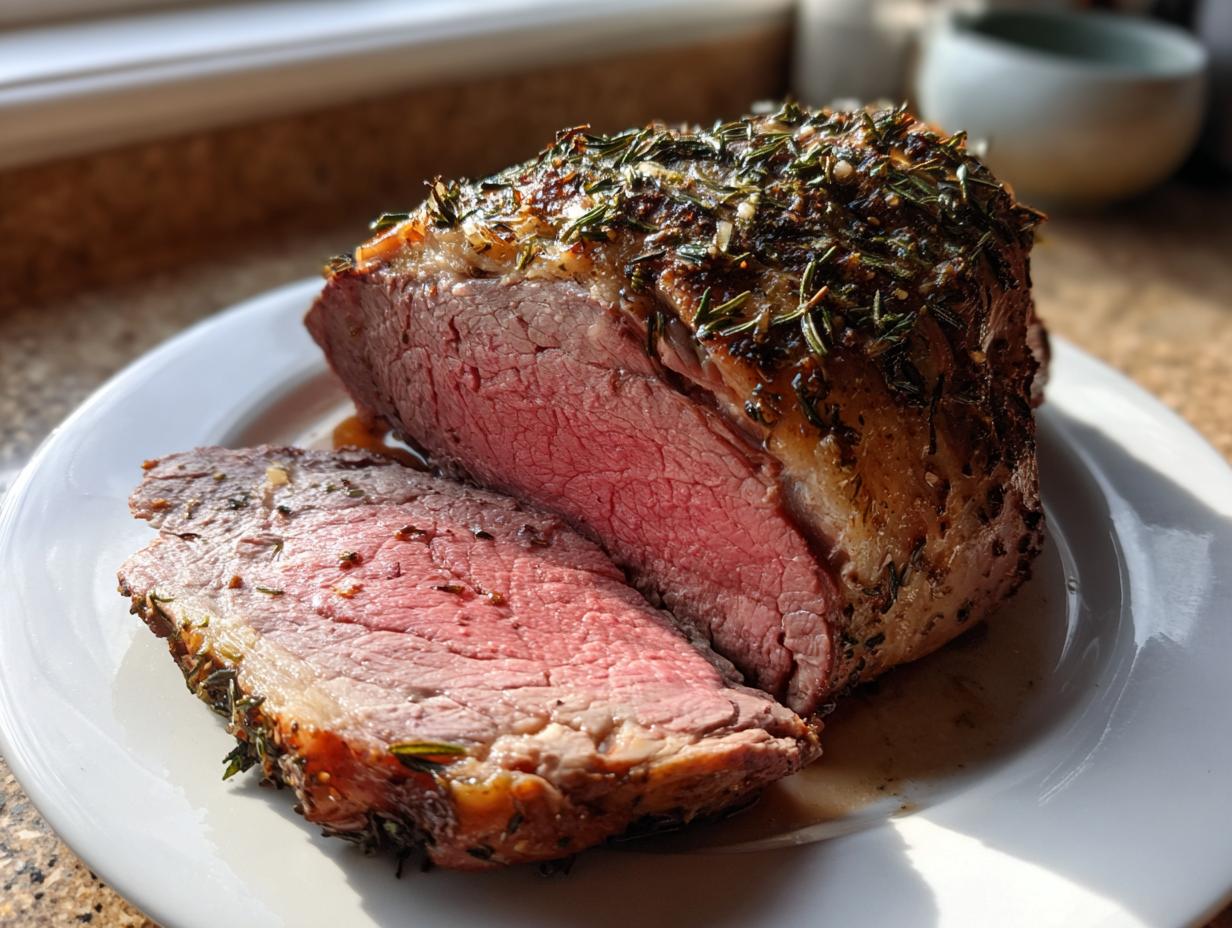
When I think about creating a real, show-stopping family style feast, my mind instantly goes to a centerpiece that feels important but isn’t fussy. That’s exactly what this straightforward recipe for a juicy roast leg of lamb delivers. Forget those complicated holiday main dish recipes that take days of planning; we’re making magic happen with just garlic, rosemary, and simple oven time. This dish is proof that you can pull off an impressive meal that tastes incredible without spending the entire day glued to the kitchen. It truly embodies that warm, connecting feeling I strive for in every recipe here.
- Why This Roast Leg of Lamb is Your New Holiday Main Dish Centerpiece
- Ingredients for Your Garlic Herb Lamb Seasoning Paste
- Essential Equipment for a Successful Roast Leg of Lamb
- Step-by-Step Instructions for the Roast Leg of Lamb
- Tips for Success When Making Roast Leg of Lamb
- Ingredient Notes and Substitutions for Lamb Seasoning
- Storing and Reheating Leftover Roast Leg of Lamb
- Serving Suggestions for Your Roasted Meat Dinner
- Frequently Asked Questions About the Roast Leg of Lamb
Why This Roast Leg of Lamb is Your New Holiday Main Dish Centerpiece
Look, dealing with a big cut of meat like this can feel intimidating, but I promise you, my method makes it foolproof. This recipe is designed to turn a magnificent leg of lamb into the star of your celebration, whether it’s for National Roast Leg of Lamb Day or your big Easter dinner. We aren’t relying on guesswork here; we are relying on science and good, simple ingredients.
- It delivers that signature juicy texture every time thanks to our two-stage roasting process.
- The seasoning is just a quick paste—no hours spent butterflying or stuffing. It’s pure flavor penetration!
- It’s perfect for a true family style feast because you cook the whole thing at once and everyone digs in together.
Achieving the Perfect Medium-Rare Roast Leg of Lamb
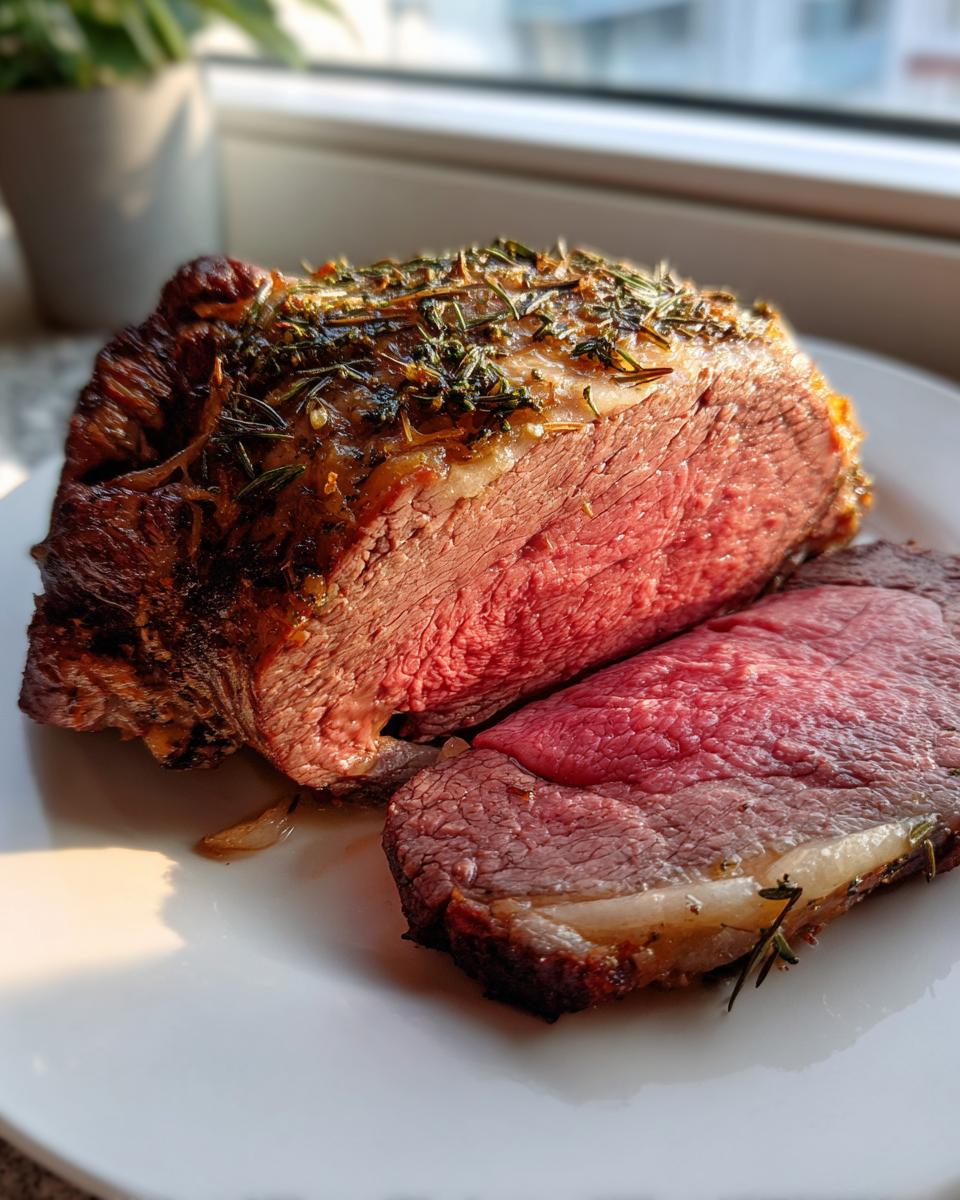
This is where we build the trust factor. For a roast this substantial, the absolute key to tenderness is temperature, not just time. You must use a meat thermometer, trust me on this one. We pull the roast when the thickest part hits 130 degrees Fahrenheit. Don’t panic when you pull it out; the heat continues to work its magic while it rests, pushing that temp up to a perfect 135-140°F. That carryover cooking means you get perfectly rosy, tender slices without accidentally cooking it dry.
Ingredients for Your Garlic Herb Lamb Seasoning Paste
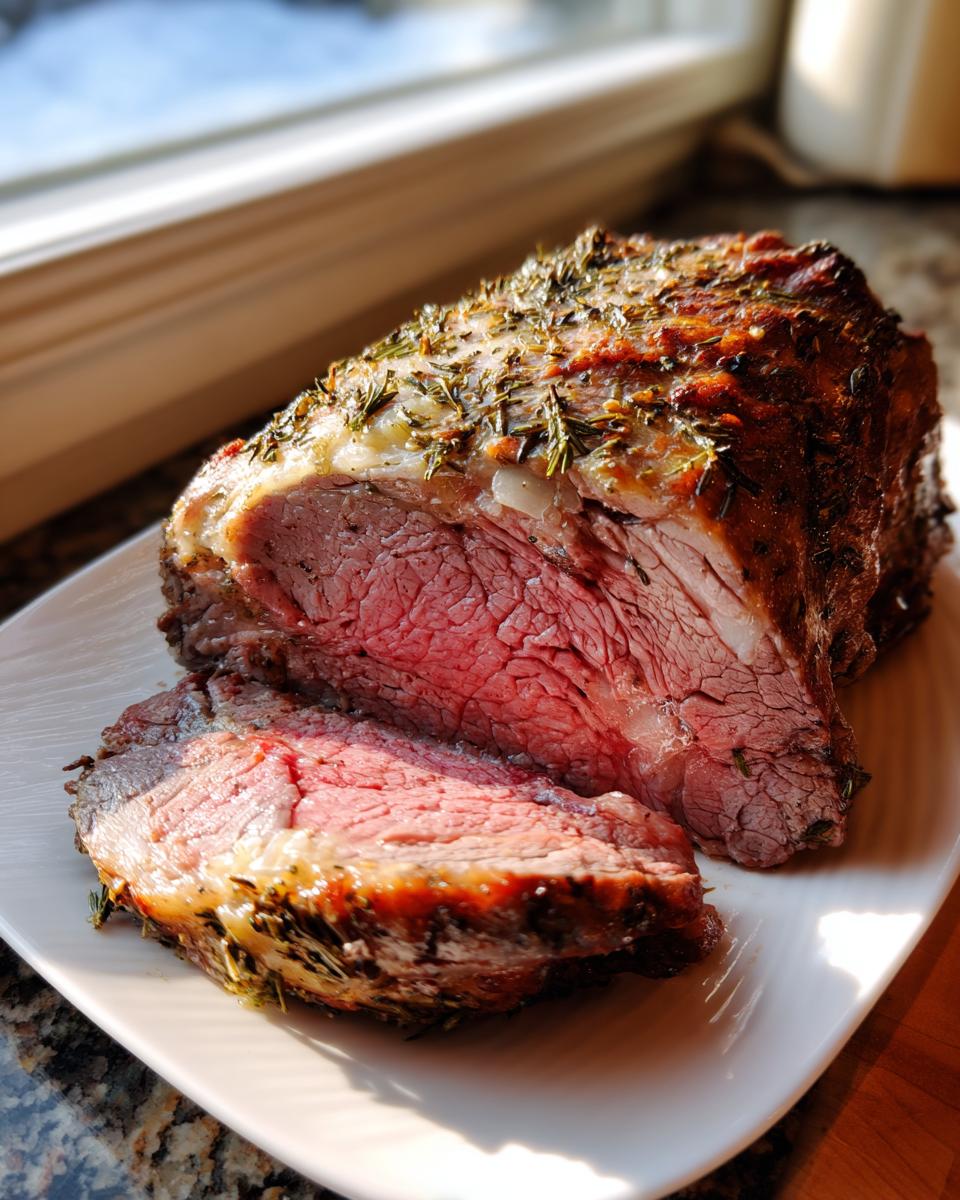
This recipe relies on building enormous flavor right on the surface before the meat even hits the heat. Don’t buy pre-chopped herbs—fresh is non-negotiable when you’re creating a centerpiece this grand. Everything cooks down beautifully, locking in that aromatic punch. We’re mixing this paste right before we rub it all over the lamb. If you want to make a little extra to brush on later, that’s fine, but this recipe provides just the right amount to coat the entire roast.
Here’s what you’ll need gathered and ready:
- One bone-in leg of lamb, about five to seven pounds. Remember to take this out early so it’s not ice-cold when it hits the hot oven!
- 1/4 cup good quality olive oil. You need enough fat to make a real paste here.
- 8 cloves garlic, minced as finely as you can get them. I mean really chop them up into almost a mush!
- 4 sprigs fresh rosemary, with those precious leaves chopped up small. Don’t leave big needles floating around.
- 2 teaspoons kosher salt. We need that coarse texture for drawing flavor in.
- 1 teaspoon plain old black pepper.
- 1/2 cup chicken broth or plain water. This goes in the bottom of the pan to keep things from scorching while the lamb roasts.
If you’re looking for another way to use up that amazing garlic flavor, you absolutely have to check out my recipe for simple homemade garlic butter. It’s a perfect addition to mashed potatoes later!
Essential Equipment for a Successful Roast Leg of Lamb
I want you to feel completely set up for success when you tackle this beautiful roast. While the flavor profile is classic and old-school, having the right tools makes the process smooth as silk. Don’t stress if you don’t have every single specialized gadget; we are sticking to the basics here so you can focus on seasoning that meat!
Make sure you have these few items ready to go before you start mixing that rosemary paste:
- A sturdy roasting pan with a rack, if you have one. If not, putting a couple of thick metal spoons under the lamb works in a pinch to keep it elevated slightly.
- The MVP of any roast: a reliable digital meat thermometer. Seriously, this is how you guarantee that juicy, perfect internal temperature every single time.
- Aluminum foil. You need a good sheet of foil to tent the lamb loosely while it rests later on. This traps all that delicious steam inside!
Step-by-Step Instructions for the Roast Leg of Lamb
Now that we have our incredible garlic and rosemary seasoning paste ready, it’s time to execute the actual roasting. Remember that an impressive meal is just a series of simple steps done correctly. This process guarantees you a beautiful, tender roast leg of lamb, especially when you pay close attention to those temperature shifts. I always make sure I get my hands in there and really massage that aromatic paste all over the surface of the lamb. Don’t be shy! You want every inch of that meat infused with garlic before it even sees the heat.
Preparing the Lamb and Oven for Roasting
First things first: timing is everything when you’re cooking a large roast. Pull the lamb out of the fridge at least two full hours before you plan to cook it. It needs time to relax and approach room temperature so it cooks more evenly. While it’s relaxing, preheat your oven up to 425 degrees Fahrenheit—we want a nice, hot blast to get that exterior gorgeous quickly. Now, mix up your paste and get it rubbed on thoroughly.
The Roasting Process: Temperature Changes for the Roast Leg of Lamb
Place the seasoned lamb in the roasting pan and pop it into that hot oven for exactly 20 minutes. This high-heat sear locks in the initial flavor compounds. After those 20 minutes are up, we drop the heat dramatically! Turn the oven down to 325 degrees Fahrenheit and pour that half cup of broth right into the bottom of the pan—this helps keep the drippings from burning later. Now, your job is mostly done. Stick that thermometer into the thickest spot (but don’t touch the bone!) and roast until you hit 130 degrees Fahrenheit. That’s the magic number for a perfect medium-rare roast leg of lamb.
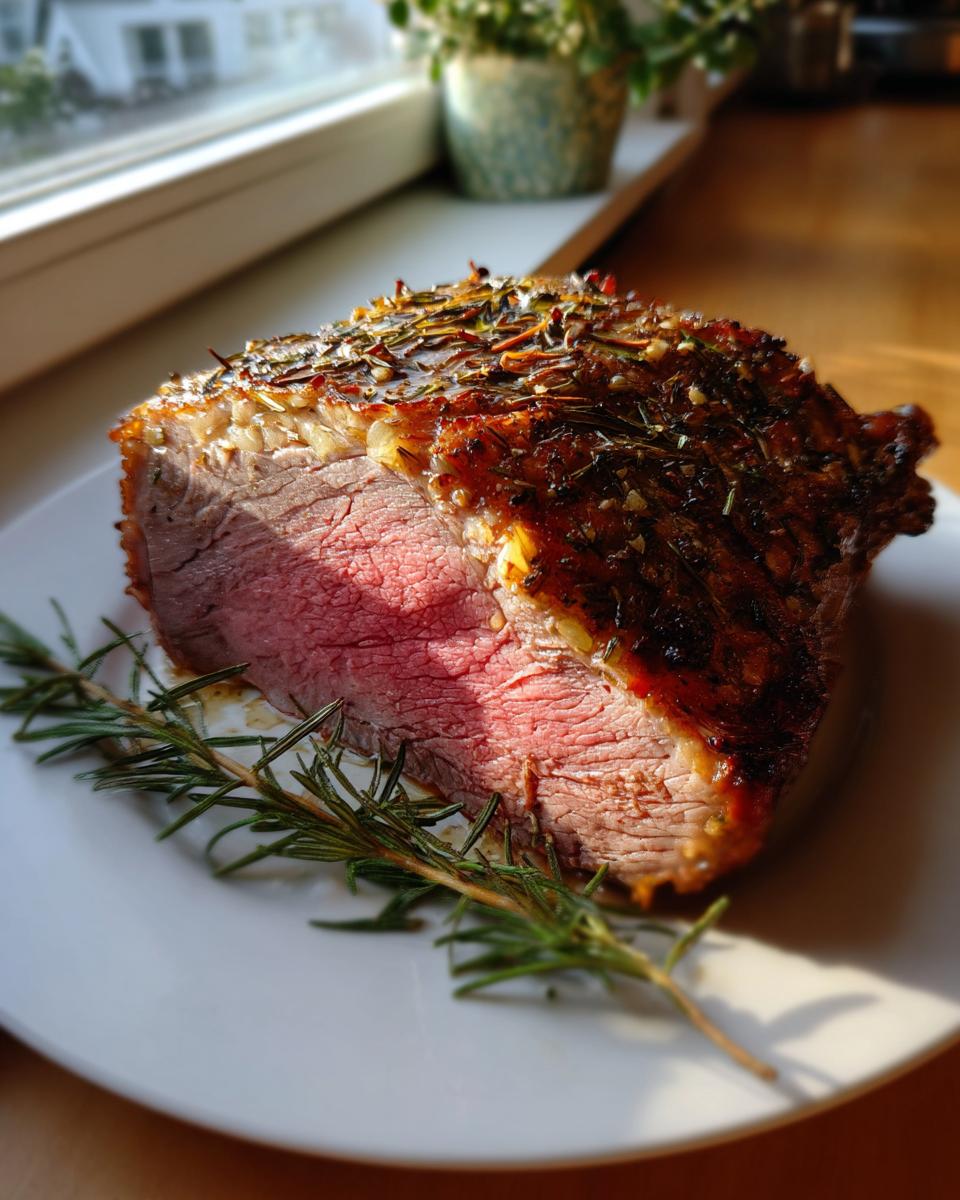
After you pull it out, tent it loosely with foil. It needs to rest for at least 20 minutes. Seriously, don’t skip the rest! It’s non-negotiable for a tender outcome. While that’s happening, you can quickly whip up some roasted carrots for the side!
Tips for Success When Making Roast Leg of Lamb
Even though this recipe feels simple, those large roasts can sometimes throw us a curveball, usually related to time, heat, or impatience! If you follow these specific pointers, you’ll avoid any last-minute scrambling and ensure your roast is the tender masterpiece you envisioned. Trust me, learning these little quirks is what separates a standard dinner from a memorable family style feast.
The biggest rule I learned from my mother, especially when hosting an Easter gathering, is that the resting time *is* cooking time. If you’re worried about the meat being a little under, it’s always better to pull it out a minute early than to risk overcooking it. If you were aiming for a very low and slow approach, like a true slow roasted lamb, the resting phase would be even more critical, but here, it just solidifies that perfect medium-rare center.
Carving Your Roast Leg of Lamb for a Family Style Feast
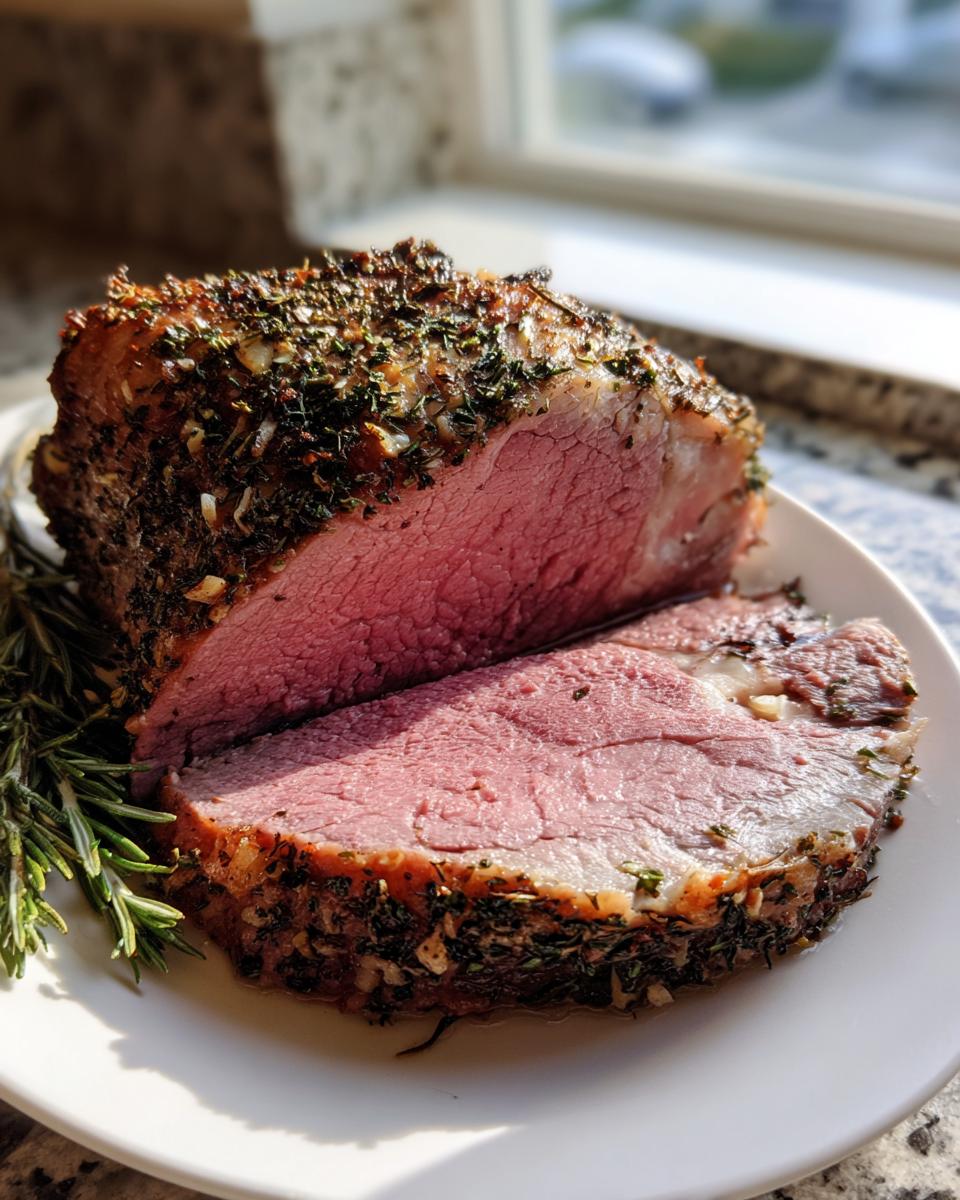
Okay, the hard part is over—it rested beautifully and smells divine! Now for the grand presentation. You absolutely cannot saw into this roast right away; you need to see those lovely pink slices! Look closely at the leg; you’ll notice the muscle fibers running in one direction. You must carve *against* the grain. This shortens those muscle fibers, which makes every single bite unbelievably tender. If you cut with the grain, even a perfectly cooked roast can feel chewy. Take thin slices and lay them out nicely on your serving platter. It’s such a beautiful sight when you slice it correctly for everyone at the table.
Ingredient Notes and Substitutions for Lamb Seasoning
One thing I always stress is that when you are going for a high-impact flavor like we are with this garlic herb lamb, the quality of your ingredients really shines through. Because the ingredient list is so short, if you substitute something, make sure you’re making a conscious trade-off! I want you to feel confident tweaking this recipe if you absolutely have to, but always know what you’re losing, flavor-wise.
If you can’t find fresh rosemary, dried rosemary is acceptable, but you really need to adjust the amount. Fresh rosemary is so much more vibrant! Use only one tablespoon of dried rosemary for every four sprigs called for. Make sure that dried herb is fresh itself, though; old dried herbs taste like dust, and we want springtime flavor here!
For the liquid in the pan—we use broth or water to just create steam and prevent the drippings from burning to a crisp. If you have some leftover white wine from dinner the night before, feel free to use that instead of broth for a little extra depth! But please, don’t use water if you have broth because the broth adds a nice backbone to the pan drippings we sometimes turn into a quick gravy later.
And finally, about that salt. I insist on kosher salt. Table salt is too fine and aggressive; it can make the surface of your roast taste overwhelmingly salty while the inside remains under-seasoned. Kosher salt adheres better and dissolves more evenly during the cooking process. It’s a small thing, but it makes a huge difference for your final lamb seasoning.
Storing and Reheating Leftover Roast Leg of Lamb
First off, if you are lucky enough to have leftovers from your amazing roast, congratulations! That means you cooked enough for a true family style feast. But the real challenge isn’t having leftovers; it’s reheating them without turning that perfectly pink, juicy meat into old shoe leather. I get this question all the time, especially after big celebrations like Easter.
The best way to preserve moisture is to remember that lamb, like most roasted meats, dries out quickly when exposed to dry heat. You have two really good options, and neither involves blasting it in the microwave alone!
- Refrigeration: Slice or shred any remaining meat you think you’ll eat within three days. Store it tightly wrapped in plastic wrap, and then place that bundle inside an airtight container. This prevents the fridge air from drawing out internal moisture.
- The Broth Bath: When it’s time to reheat, don’t just toss the slices on a plate. Place the cooled slices in a baking dish and pour just enough low-sodium broth (or even water) over them to coat the bottom of the dish slightly—maybe an inch high. Cover that dish very tightly with foil and bake it low and slow—around 300 degrees Fahrenheit. The steam created by the broth will keep it incredibly tender.
If you’re planning on making something like shepherd’s pie later in the week, I actually prefer mixing it cold into my filling before baking. But for simple slices, that low-and-slow steaming method is the only way to go. Thinking ahead to leftovers often helps me plan how much I should cook in the first place! For other great comforting meals, you might want to look at my recipe for filling, homemade cream of chicken soup.
Serving Suggestions for Your Roasted Meat Dinner
We went to so much effort to create this beautiful centerpiece—the centerpiece of our entire roasted meat dinner—so we can’t let the side dishes fall flat, right? The bright, herbaceous punch of the rosemary and garlic loves anything starchy and something green and fresh to cut through its richness. When I’m planning my full menu, I keep it classic because this cut of lamb really shines on its own.
You absolutely need something soft and satisfying to soak up those precious pan drippings. My go-to is always roasted potatoes. I have a recipe for perfectly roasted potatoes and carrots that use a little of the rendered lamb fat mixed in, and wow, are they good! If you want less roasting time, mashed potatoes are always a luxurious option.
For the greens, you want something that snaps a little bit. Roasted asparagus is fantastic, but my family loves roasted broccoli tossed with garlic and parmesan. It’s so easy, and you can usually roast the veggies at the same time the lamb is resting! If you check out my recipe for roasted broccoli with garlic and parmesan, you’ll see it only takes about 15 minutes to get crispy edges, which is perfect for when you’re pulling that lamb out from under the foil.
Frequently Asked Questions About the Roast Leg of Lamb
I always end up answering the same few questions every time I make this roast, especially when someone is trying it for the first time for a big event like Easter. Having this done right gives you a huge advantage when planning your bigger spring dinner ideas! Don’t worry, we’ll tackle the common sticking points right here so your dinner is perfect.
Should I use bone-in or boneless lamb for this recipe?
I strongly insist on bone-in! When you look at the ingredient list, you see we are talking about a real piece of meat, and that bone helps insulate the meat surrounding it, which actually leads to more even cooking. Yes, a boneless cut is easier to carve, and I know some folks prefer it because it’s easier to store leftovers, but you often lose out on some of that deep, roasted flavor that cooks right along the bone. If you must use boneless, just watch that temperature like a hawk because it cooks faster.
What if I don’t have two hours to let it rest after roasting?
Oh, I know life gets hectic, but please, carve out at least fifteen minutes! I mentioned this before, but letting it rest is not optional; it’s part of the cooking process. If you cut into it immediately, all those lovely, reabsorbed juices—the ones we worked so hard to keep inside during the roasting—will rush out onto your cutting board, leaving you with dry meat. If you’re pressed for time, you can always make simple easy breakfast ideas for brunch the next day, but don’t rush the centerpiece! The 20 minutes resting time is foundational for juicy meat.
Is roasting a leg of lamb too long for a regular Sunday dinner?
Honestly, this recipe is perfect for when you want something special without spending all day in the kitchen, making it one of my favorite spring dinner ideas! Although the total time is long, the hands-on time is minimal. Most of that two-and-a-half hours is just the oven doing the magic. If you’re worried about time commitment for a standard Sunday, save this incredible garlic herb lamb for a holiday gathering or when you have company. For a weeknight, I’d lean toward chops, but for a true celebratory meal, this is worth the wait!
PrintClassic Roast Leg of Lamb with Garlic and Rosemary
Make a memorable centerpiece for your next family gathering with this straightforward recipe for a juicy, medium-rare roast leg of lamb seasoned with fresh garlic and rosemary.
- Prep Time: 20 min
- Cook Time: 2 hr 30 min
- Total Time: 2 hr 50 min
- Yield: 8 servings 1x
- Category: Main Dish
- Method: Roasting
- Cuisine: American
- Diet: Low Fat
Ingredients
- 1 (5-7 pound) bone-in leg of lamb
- 1/4 cup olive oil
- 8 cloves garlic, minced
- 4 sprigs fresh rosemary, leaves chopped
- 2 teaspoons kosher salt
- 1 teaspoon black pepper
- 1/2 cup chicken broth or water
Instructions
- Remove the leg of lamb from the refrigerator 2 hours before roasting to allow it to come closer to room temperature.
- Preheat your oven to 425 degrees Fahrenheit.
- In a small bowl, combine the olive oil, minced garlic, chopped rosemary, salt, and pepper to make a paste.
- Place the lamb in a roasting pan. Rub the garlic-herb paste all over the surface of the lamb.
- Roast the lamb at 425 degrees Fahrenheit for 20 minutes.
- Reduce the oven temperature to 325 degrees Fahrenheit. Pour the chicken broth or water into the bottom of the roasting pan.
- Continue roasting until the internal temperature reaches 130 degrees Fahrenheit for medium-rare (about 15-20 minutes per pound total cooking time). Use a meat thermometer inserted into the thickest part of the thigh, avoiding the bone.
- Remove the lamb from the oven when it reaches 130 degrees Fahrenheit. Tent it loosely with foil.
- Let the roast rest for at least 20 minutes before carving. The internal temperature will rise to about 135-140 degrees Fahrenheit during resting.
- Carve and serve your roasted meat dinner.
Notes
- For easier cleanup, line your roasting pan with foil before adding the liquid.
- If you prefer a more well-done roast, aim for an internal temperature of 145 degrees Fahrenheit before resting.
- This recipe works well for an Easter lamb recipe or any spring dinner idea.
Nutrition
- Serving Size: 6 oz cooked
- Calories: 350
- Sugar: 1
- Sodium: 250
- Fat: 18
- Saturated Fat: 6
- Unsaturated Fat: 12
- Trans Fat: 0
- Carbohydrates: 1
- Fiber: 0
- Protein: 45
- Cholesterol: 120