

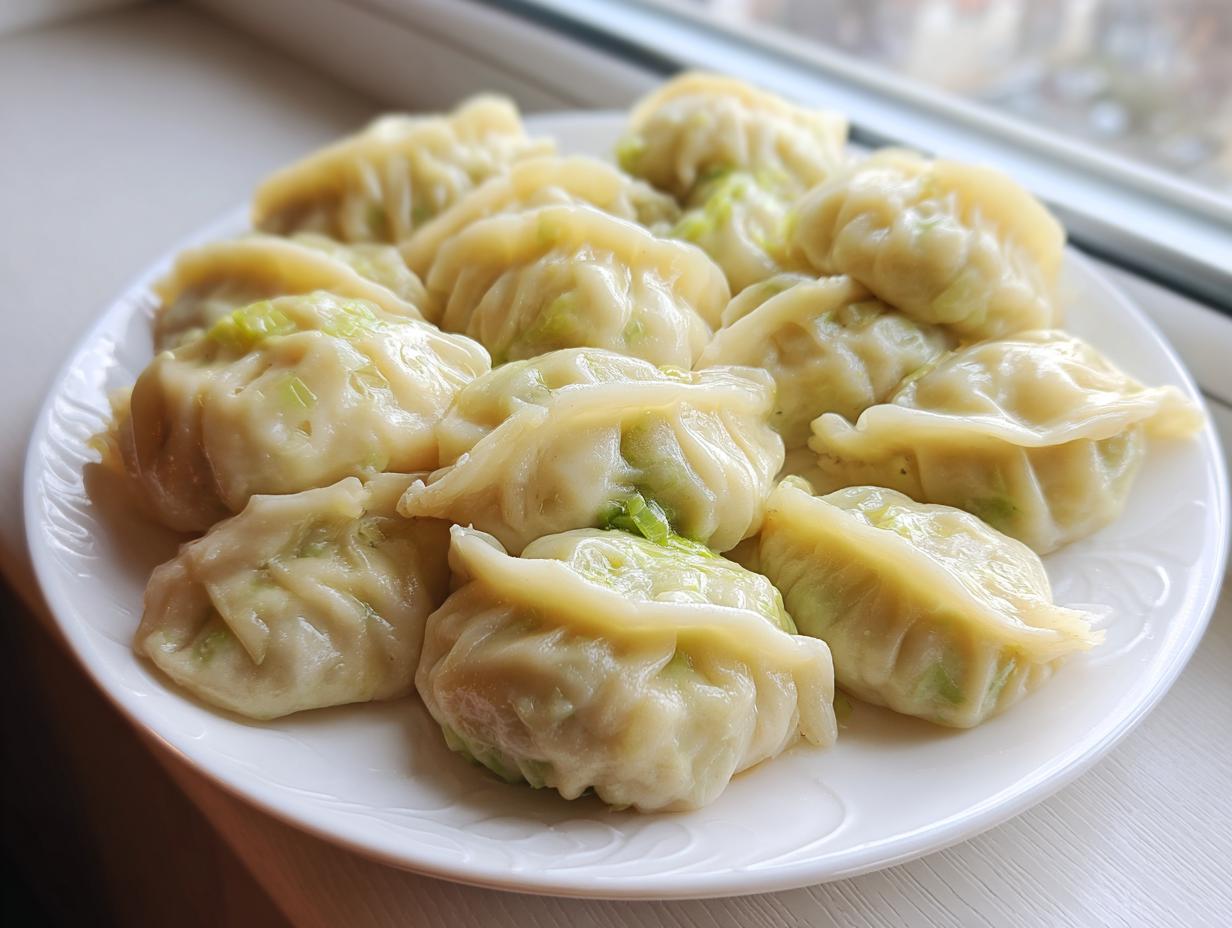
There is nothing quite like pulling a steaming hot plate of perfectly pleated, homemade dumplings from the pot. It feels like winning an award! Seriously, making truly Traditional Chinese Dumplings from scratch—right down to the dough—is such a satisfying kitchen victory. My mom and grandma always taught me that the magic of the wrapper is non-negotiable for that authentic bite, and I’ve leaned into those time-honored techniques we learned.
This guide is my way of passing on the secrets for making exceptional pork cabbage dumplings, showing you exactly how to roll and fold them so your batch looks just like something you’d eat during the Lunar New Year. Forget those stiff wontons; we are aiming for tender, flavorful, and entirely dependable dumplings!
- Why You Will Love Making Traditional Chinese Dumplings
- Gathering Ingredients for Authentic Jiaozi
- Mastering Homemade Dumpling Wrappers for Traditional Chinese Dumplings
- Preparing the Flavorful Pork Cabbage Dumplings Filling
- Assembling and Folding Your Authentic Jiaozi
- Cooking Methods for Perfect Boiled Chinese Dumplings
- Tips for Making Freezer Friendly Dumplings
- Frequently Asked Questions About Traditional Chinese Dumplings
- Estimated Nutritional Data for Traditional Chinese Dumplings
- Share Your Lunar New Year Dumplings Experience
Why You Will Love Making Traditional Chinese Dumplings
I totally get it—making dumplings from scratch sounds like a marathon, especially when you’re already busy, but these are just so worth the effort. I promise they come together faster than you think!
- You get that incredible, tender chew only achieved with homemade dumpling wrappers—trust me, once you try rolling your own, you won’t go back!
- The filling is perfectly balanced; that combination of savory pork and slightly sweet cabbage is just dreamy, especially when seasoned with fresh ginger.
- They freeze like a dream! These are the ultimate freezer friendly dumplings for those busy weeknights when you need a real meal fast.
- This recipe is surprisingly flexible. You can boil them, steam them, or pan-fry them for crispy bottoms—total versatility for whatever mood strikes you.
- Making these for the Lunar New Year feels so special; you are connecting to traditions by hand-folding every single one!
Once you get the hang of the wrappers, the rest is just fun assembly work. You really are making a beautiful, authentic dinner!
Gathering Ingredients for Authentic Jiaozi
To make real, honest-to-goodness authentic jiaozi, you can’t skimp on quality, but the ingredients themselves are wonderfully simple! I love that this whole process yields us about 40 Traditional Chinese Dumplings—it’s the perfect amount for a weekend session or for bagging up for future dinners.
When I first started, I usually bought the premade wrappers, but once I switched to scratch dough, everything changed! Trust me on this one; it’s worth the extra ten minutes.
Ingredients for Homemade Dumpling Wrappers
This is our basic, sturdy dough that holds up perfectly to boiling and folding. You just need flour and water, but remember: you absolutely must use warm water! It helps activate the gluten just right. Make sure you set aside an extra 8 to 10 minutes for kneading later—that’s where the good structure comes from.
Ingredients for the Pork Cabbage Dumplings Filling
The flavor in this filling comes together with just a few powerhouse ingredients that balance savory and fresh. The most important thing here is the cabbage; you must have the Napa cabbage finely chopped. Also, and I cannot stress this enough, you have to aggressively squeeze every drop of water out after salting it, or your pork cabbage dumplings will weep water while cooking!
Mastering Homemade Dumpling Wrappers for Traditional Chinese Dumplings
Listen, the wrapper is the heart and soul of any good dumpling. If you nail the dough, you are already halfway to making perfect authentic jiaozi. The texture of a homemade wrapper is just unparalleled—it’s tender but has enough spring to hold that savory filling without ripping open when you drop it in the water. I remember my first few attempts; the dough felt stiff and uncooperative! But getting the technique down makes all the difference for these Traditional Chinese Dumplings.
Kneading and Resting the Dough
Once you get that shaggy dough together, you need to commit to the kneading. You want to push and fold it for a solid 8 to 10 minutes. It will feel tough at first, but keep going until it’s smooth, like a baby’s bottom, honestly. After all that hard work, you must cover it up and let it rest for at least 30 minutes. That resting period is essential because it lets the gluten relax. If you skip it, you’ll be wrestling with the dough, and the wrappers will snap back when you try to roll them thin!
Rolling Out the Wrappers
After resting, divide the dough into four sections and roll each into a long rope before cutting them into little 1-inch pieces. Now for the shaping trick: start rolling each little piece out, but focus your pressure toward the edges. You want the edges thin, maybe paper-thin, but make sure you leave the center slightly thicker. That extra dough in the middle is what gives your Traditional Chinese Dumplings the strength to hold all that delicious juice when they are cooking.
Preparing the Flavorful Pork Cabbage Dumplings Filling
Okay, let’s talk about the filling because this is where the flavor fireworks happen! We want savory, juicy, bouncy goodness, not a watery mess at the bottom of your pot, right? That means moisture control is your absolute top priority when making pork cabbage dumplings.
First things first: the cabbage. You have to finely chop that Napa cabbage and then toss it with a little salt. Let it sit for about ten minutes. You’ll see water start to pool up—that’s good! Now, you need to squeeze it like you mean it. I use an old, clean kitchen towel, twist it tight over the sink, and wring every last bit of liquid out until it feels almost dry. Seriously, wring it until your hands ache!
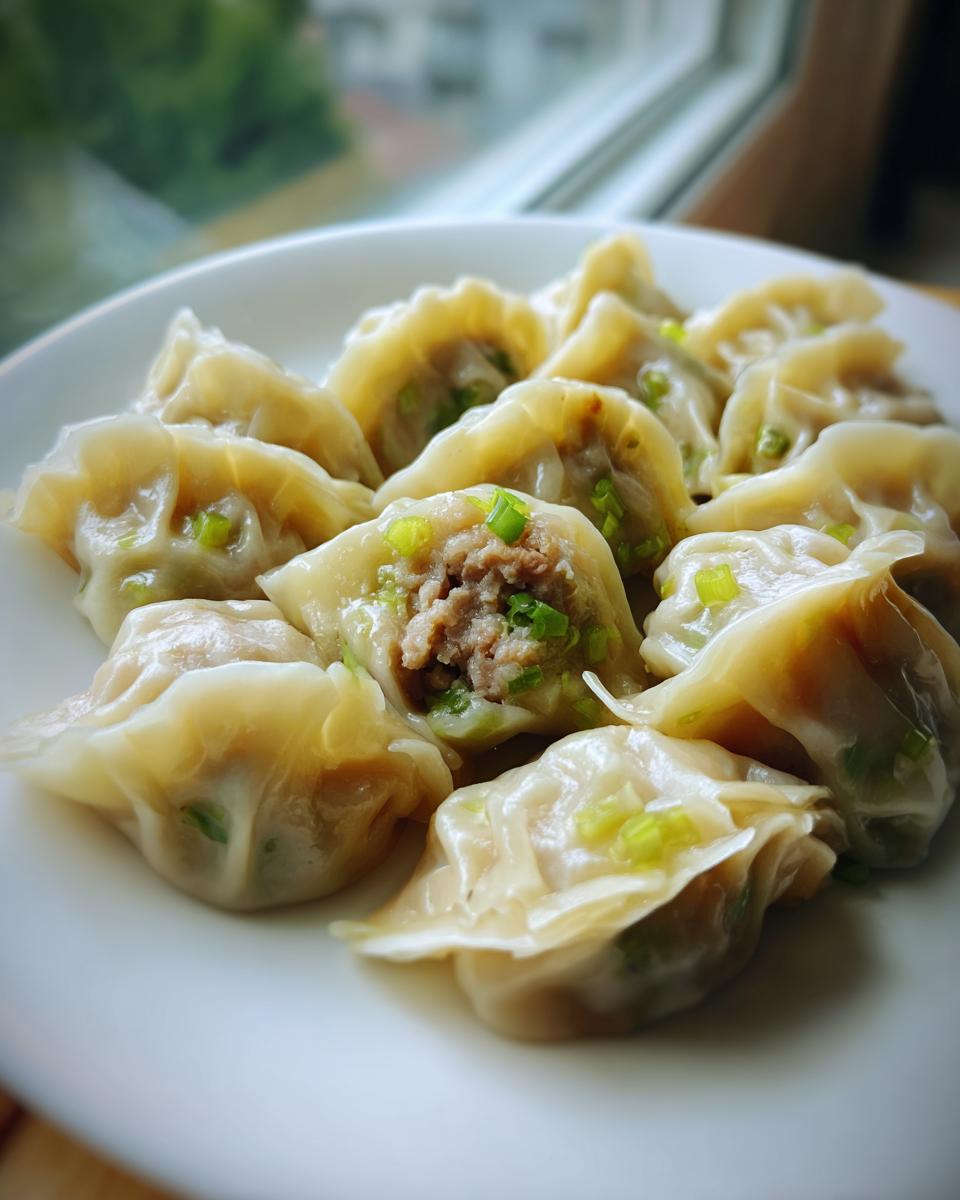
Once the cabbage battle is won, toss that dry cabbage together with the ground pork, minced green onions, soy sauce, sesame oil, fresh ginger, salt, and white pepper. Be gentle but persistent when mixing this all up. You want to mix it until it’s uniform and just starting to look a little sticky—that’s the signal that the binder is working, and your Traditional Chinese Dumplings filling is ready to wrap!
Assembling and Folding Your Authentic Jiaozi
Now comes the really fun part where your hard work on the wrappers pays off—the assembly! Remember how we made sure the center of your wrapper was a tiny bit thicker? That’s important here as we place about a tablespoon of that amazing pork cabbage dumplings filling right in the middle. Don’t overstuff them, or sealing becomes a nightmare later on. That’s lesson number one for beginners making Traditional Chinese Dumplings!
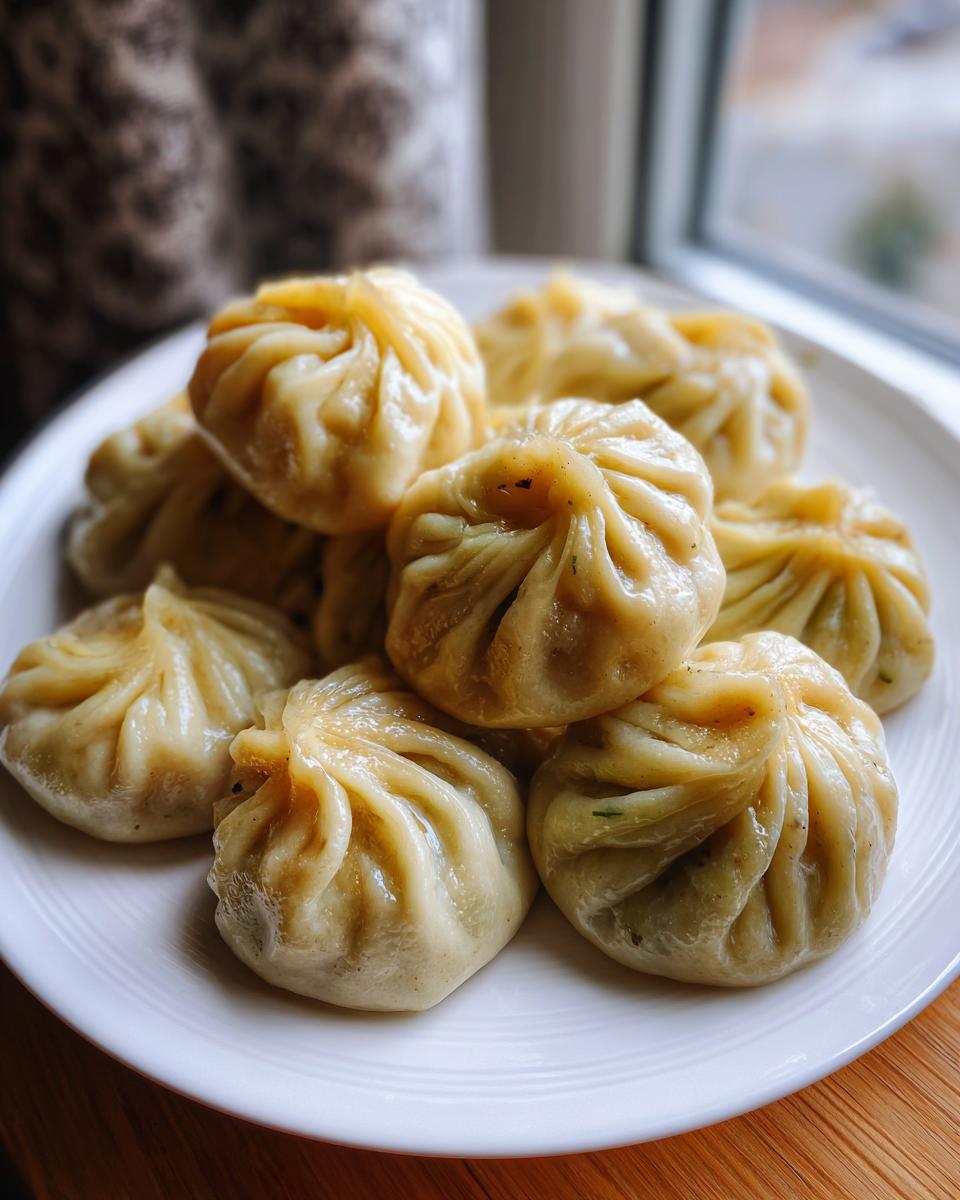
Before you seal anything, take a little water—just dip your finger in a tiny bowl—and wet the edge of one half of the wrapper. This is the glue that holds everything together! Fold the wrapper in half to make that classic half-moon shape. Then, starting on one side, create small pleats along the sealed edge, pressing each pleat firmly against the back side of the wrapper. You’re basically trying to cinch up the dough until the whole thing looks beautifully crimped and totally sealed shut. It takes a little practice, but even if they look a little wonky, they’ll still taste incredible!
Cooking Methods for Perfect Boiled Chinese Dumplings
For me, the classic way to eat our Traditional Chinese Dumplings is absolutely boiled. There’s just nothing better than that tender, slightly sticky wrapper that comes from cooking them directly in hot water! You want to bring a huge pot of water to a proper, rolling boil—not just simmering, I mean bubbles everywhere! This is crucial for getting the wrapper to set correctly.
When you drop them in, be gentle! Don’t just dump the whole batch in at once, or they will stick together or stick to the bottom of the pot right away. Gently lower your carefully folded pork cabbage dumplings into the water. Give them a very gentle stir after pouring them in to make sure they aren’t hugging each other.
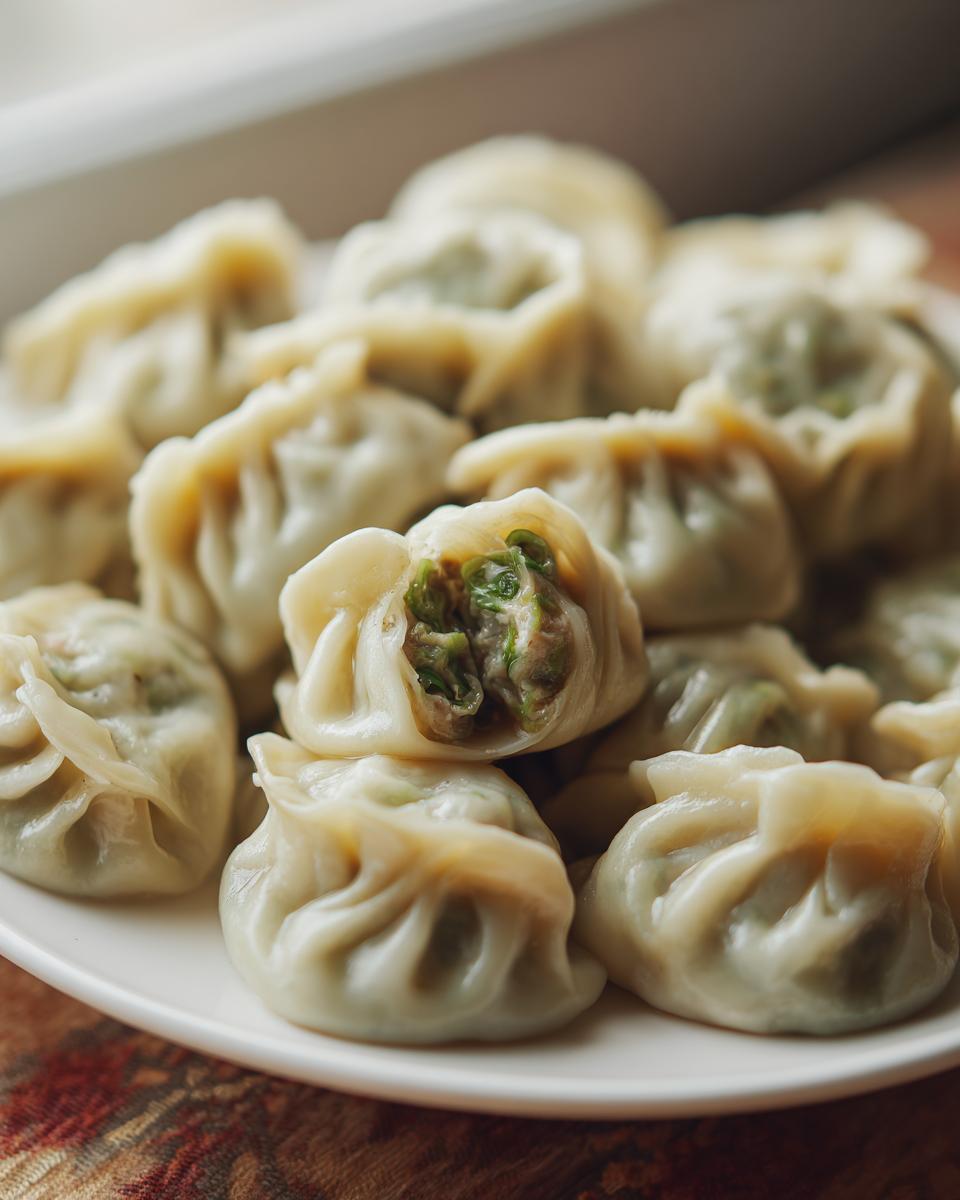
Then, you just wait! They usually take between 5 to 7 minutes to cook fully. You know they are done when they float right up to the surface and stay there—it’s the magic signal that the boiled Chinese dumplings are ready to eat. Scoop them out with a slotted spoon, give them a little shake to drain the water, and grab your dipping sauce. Perfection!
Tips for Making Freezer Friendly Dumplings
One of the best parts about making a big batch of Traditional Chinese Dumplings is knowing you don’t have to eat them all right now! If you are planning ahead for the Lunar New Year or just want super easy weeknight dinners, you absolutely have to make these freezer friendly dumplings.
The secret is flash freezing! Lay your uncooked dumplings out on a baking sheet that you’ve lined with parchment paper first. Make sure none of them are touching—they need their own personal space to firm up while they freeze. Once they are rock solid (about an hour or two), you can scoop them right into a thick, airtight freezer bag.
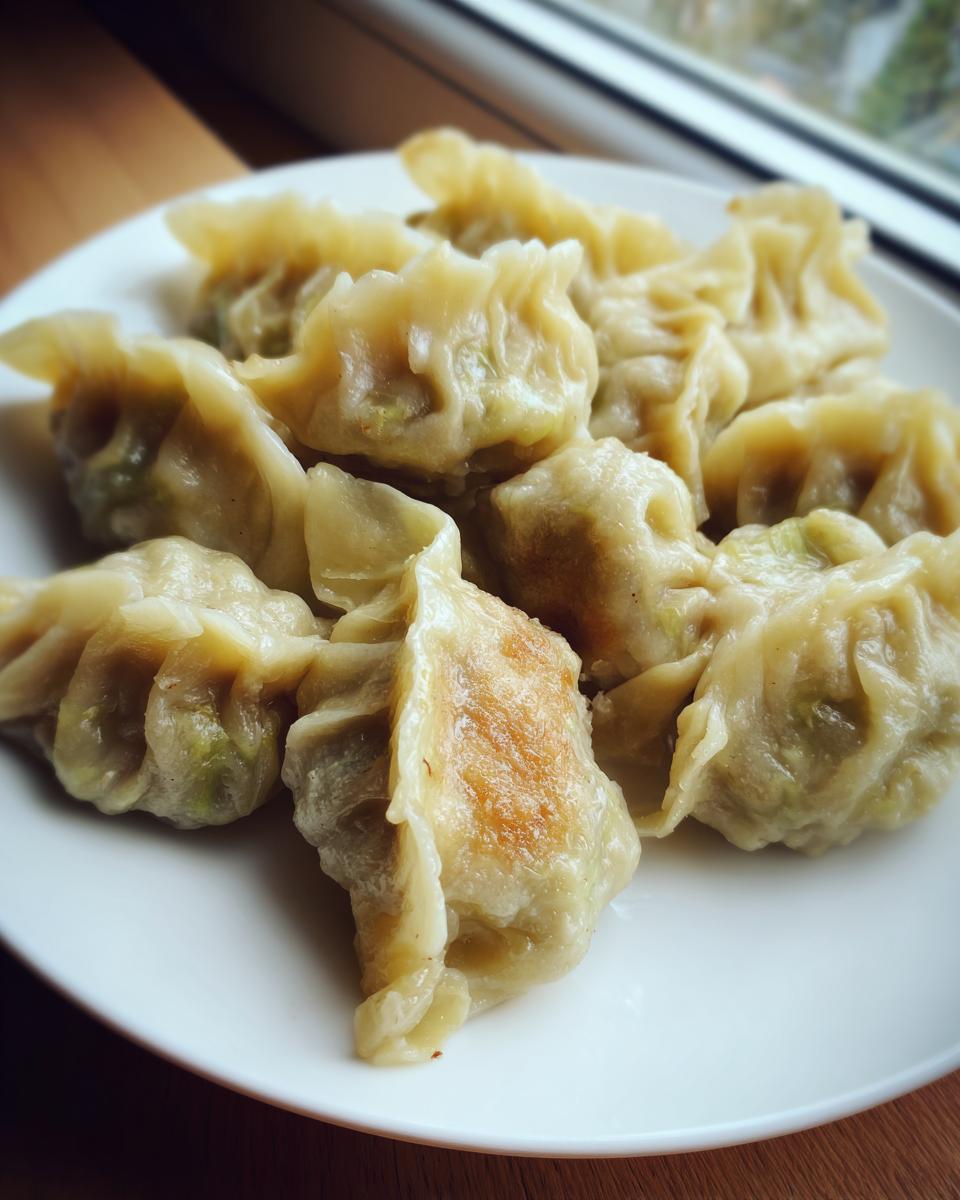
When you finally decide to cook them straight from frozen, just remember to add a little extra time to your timer. Plan on adding about 2 to 3 extra minutes to the cooking time since they are starting out ice cold. They come out just as perfect as fresh!
Frequently Asked Questions About Traditional Chinese Dumplings
I know you might have some stumbling blocks, especially when tackling homemade dough for the first time. Don’t worry, these are the questions I get asked the most by friends trying this recipe for the first time!
Can I use store-bought wrappers instead of homemade dumpling wrappers?
You certainly can! If you are in a real pinch or maybe just testing the waters before diving into making homemade dumpling wrappers, store-bought rounds will work in a pinch. But I have to be honest: if you want that true, tender texture that defines authentic jiaozi, nothing beats making them from scratch. The texture of fresh dough is miles better than anything you find packaged, trust me.
What is the best dipping sauce for pork cabbage dumplings?
Oh, the sauce is almost as important as the dumpling itself! For these savory pork cabbage dumplings, I keep mine super simple. It’s usually just two parts soy sauce to one part Chinese black vinegar—that’s the key—with a tiny swirl of sesame oil and sometimes a dash of chili oil if I’m feeling feisty. People searching for the best pairings for authentic jiaozi usually land on variations of this simple dipping sauce because it complements the pork filling without overpowering it.
How do I prevent my boiled Chinese dumplings from sticking together?
This is the number one fear when making boiled Chinese dumplings! The trick is twofold. First, make sure your water is at a rapid, rolling boil before you even think about adding them. Second, drop them in gently, and within about thirty seconds, give the water a very, very gentle stir near the bottom of the pot. You don’t want to break your beautiful pleats, but you need to make sure they aren’t clinging to each other or the bottom as the wrapper sets. A big pot of water helps a ton, space-wise!
And hey, if you happen to save this recipe for later, here’s the link to our privacy policy if you ever wonder how we handle your information!
Estimated Nutritional Data for Traditional Chinese Dumplings
Now, before you get too focused on the numbers, remember this is just an estimate! Cooking methods can change things dramatically, especially if you end up diving into the pan-fried option instead of boiling. But based on our standard recipe for about 40 Traditional Chinese Dumplings, here’s what we’re looking at for a serving size of five pork cabbage dumplings.
I try not to look too closely at the sodium when I’m making these for a special occasion, especially when they’re destined for the Lunar New Year table, but the protein is fantastic! These are definitely a satisfying, low-fat meal when you serve them with just a light vinegar-based sauce rather than a heavy, oily one.
- Serving Size: 5 dumplings
- Calories: Around 250
- Total Fat: About 12 grams (and most of that fat is coming from the savory ground pork, so you know it’s flavor!)
- Protein: A hefty 15 grams!
- Carbohydrates: Roughly 22 grams
This data is super helpful if you’re tracking macros, but honestly, the joy these bring to the table when you’ve made the homemade dumpling wrappers yourself far outweighs worrying about 1 gram of sugar, haha! Also, just a friendly reminder, since you’re using our site, here is a quick link to our terms of use if you ever need to look them up!
Share Your Lunar New Year Dumplings Experience
Wow, you actually did it! You made Traditional Chinese Dumplings, from the dough all the way to the final pleat. I am so incredibly proud of you!
Making these isn’t homework; it’s making memories, so I truly want to hear about your experience. Seriously, when you sit down for your first batch of boiled Chinese dumplings, let me know how they tasted. Did you manage any fancy folds? Did the kids help wrap during your Lunar New Year feast?
Head over to the comments below and give this recipe a rating—it helps other cooks feel confident diving in! If you had any little hiccups or brilliant workarounds, please share those too. We’re all learning together here in the kitchen, and I absolutely love seeing photos of your beautiful pork cabbage dumplings!
If you ever have a specific question about the dough or maybe need advice on trying out the pan-fried method next time, don’t hesitate to reach out directly through our contact page. Happy cooking, my friend, and I hope your table is filled with joy and amazing dumplings!
PrintTraditional Pork and Cabbage Chinese Dumplings (Jiaozi)
Make authentic Chinese pork and cabbage dumplings from scratch, including instructions for making homemade wrappers and freezing for later.
- Prep Time: 45 min
- Cook Time: 10 min
- Total Time: 55 min
- Yield: About 40 dumplings 1x
- Category: Dinner
- Method: Boiling
- Cuisine: Chinese
- Diet: Low Fat
Ingredients
- 2 cups all-purpose flour
- 3/4 cup warm water (plus more if needed)
- 1 pound ground pork
- 1 pound Napa cabbage, finely chopped
- 1/4 cup green onions, minced
- 2 tablespoons soy sauce
- 1 tablespoon sesame oil
- 1 teaspoon grated fresh ginger
- 1/2 teaspoon salt
- 1/4 teaspoon white pepper
Instructions
- Make the dough: Combine flour and warm water in a bowl. Mix until a shaggy dough forms. Knead on a lightly floured surface for 8 to 10 minutes until smooth. Cover the dough and let it rest for 30 minutes.
- Prepare the filling: Place the chopped cabbage in a bowl and sprinkle with a pinch of salt. Let it sit for 10 minutes to draw out moisture. Squeeze the cabbage very dry using your hands or a clean kitchen towel.
- In a separate large bowl, combine the ground pork, squeezed cabbage, green onions, soy sauce, sesame oil, ginger, salt, and white pepper. Mix thoroughly until the mixture is uniform and slightly sticky.
- Assemble the wrappers: Divide the rested dough into four equal pieces. Roll each piece into a long rope and cut into 1-inch pieces. Roll each small piece into a thin circle, about 3 inches in diameter, keeping the center slightly thicker than the edges.
- Fill and fold: Place about 1 tablespoon of filling in the center of a wrapper. Moisten the edges with water. Fold the wrapper in half to create a half-moon shape and pleat the edges to seal tightly.
- Cook the dumplings: Bring a large pot of water to a rolling boil. Gently drop the dumplings into the water, ensuring they do not stick together. Cook for 5 to 7 minutes, or until the dumplings float and the filling is cooked through.
- Remove the dumplings with a slotted spoon and serve immediately.
Notes
- For freezer friendly dumplings: Place uncooked dumplings on a parchment-lined baking sheet without touching. Freeze until solid, then transfer to an airtight freezer bag. Cook directly from frozen, adding 2 to 3 minutes to the cooking time.
- You can substitute the boiling method with steaming or pan-frying for a different texture.
- Use high-CPC phrases like authentic jiaozi when searching for variations.
Nutrition
- Serving Size: 5 dumplings
- Calories: 250
- Sugar: 1
- Sodium: 350
- Fat: 12
- Saturated Fat: 4
- Unsaturated Fat: 8
- Trans Fat: 0
- Carbohydrates: 22
- Fiber: 1
- Protein: 15
- Cholesterol: 50