

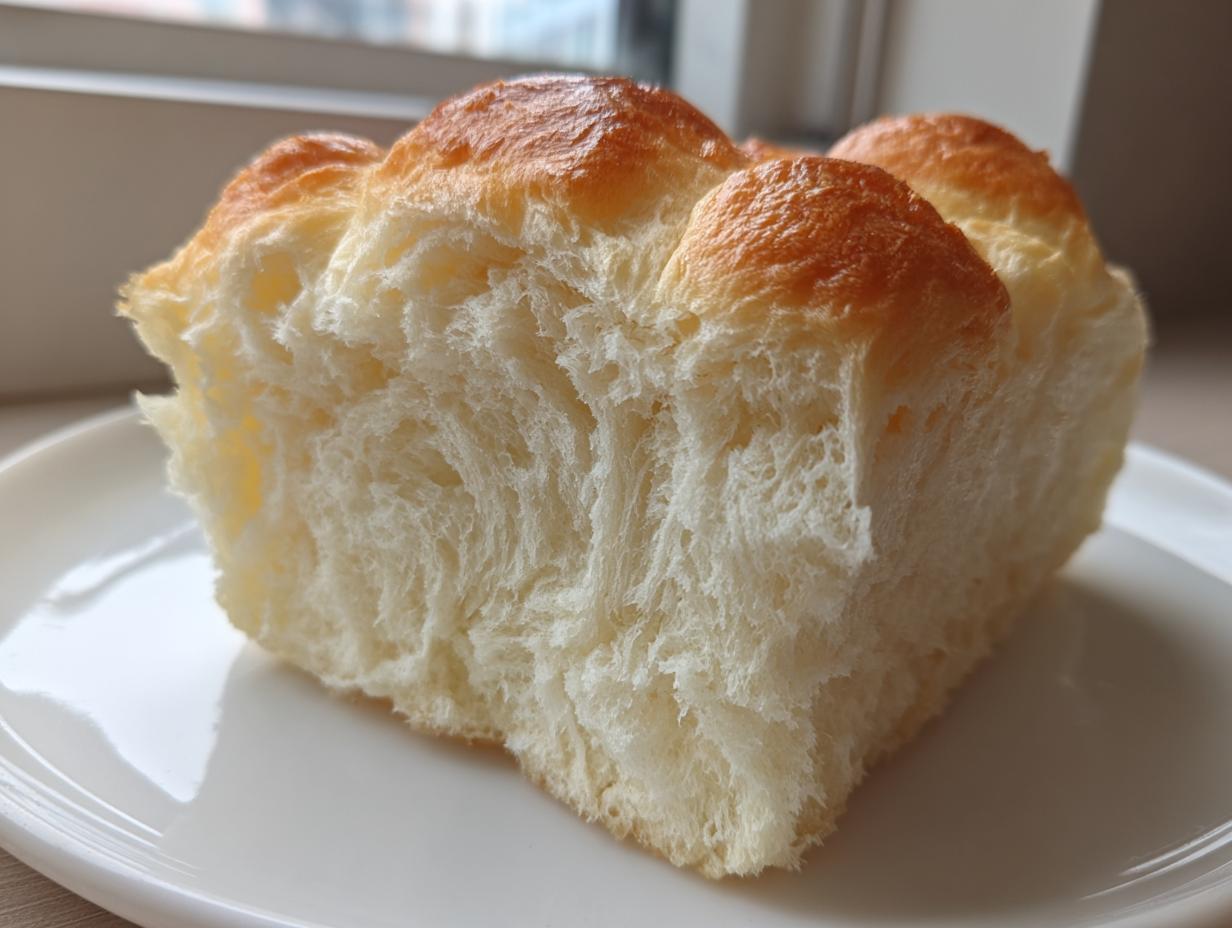
Forget every dry, crumbly loaf you’ve ever struggled with! If you’ve been dreaming of bread so soft it rivals a pillow—that ethereal, cloud-like texture—then you are in the absolute right spot. I’m Mia, and in my kitchen, we believe comfort food should be memorable but never overly complicated. That’s why I’m sharing my tried-and-true recipe for authentic japanese milk bread, using the famous Tangzhong method. Trust me, this technique is the secret handshake that unlocks the softest, most moist homemade bread you’ll ever taste. It’s reliable, it’s surprisingly simple once you see it in action, and it’s going to change how you think about baking bread forever. You are going to love this! If you’re looking for other wonderfully reliable baking recipes, check out this amazing Japanese milk bread recipe for inspiration, or see my guide to making soft, moist lemon scones.
- Why This Authentic Japanese Milk Bread Recipe Works
- Gathering Ingredients for Your Soft Fluffy Bread
- Step-by-Step Instructions for Homemade Japanese Milk Bread
- Versatility: Using Your Japanese Milk Bread for Sandwiches and Rolls
- Tips for Achieving Bakery Style Bread at Home
- Storage & Reheating Instructions for Japanese Milk Bread
- Frequently Asked Questions About Japanese Milk Bread
- Nutritional Estimates for Your Homemade Japanese Milk Bread
- Share Your Cloud Soft Bread Creations
Why This Authentic Japanese Milk Bread Recipe Works
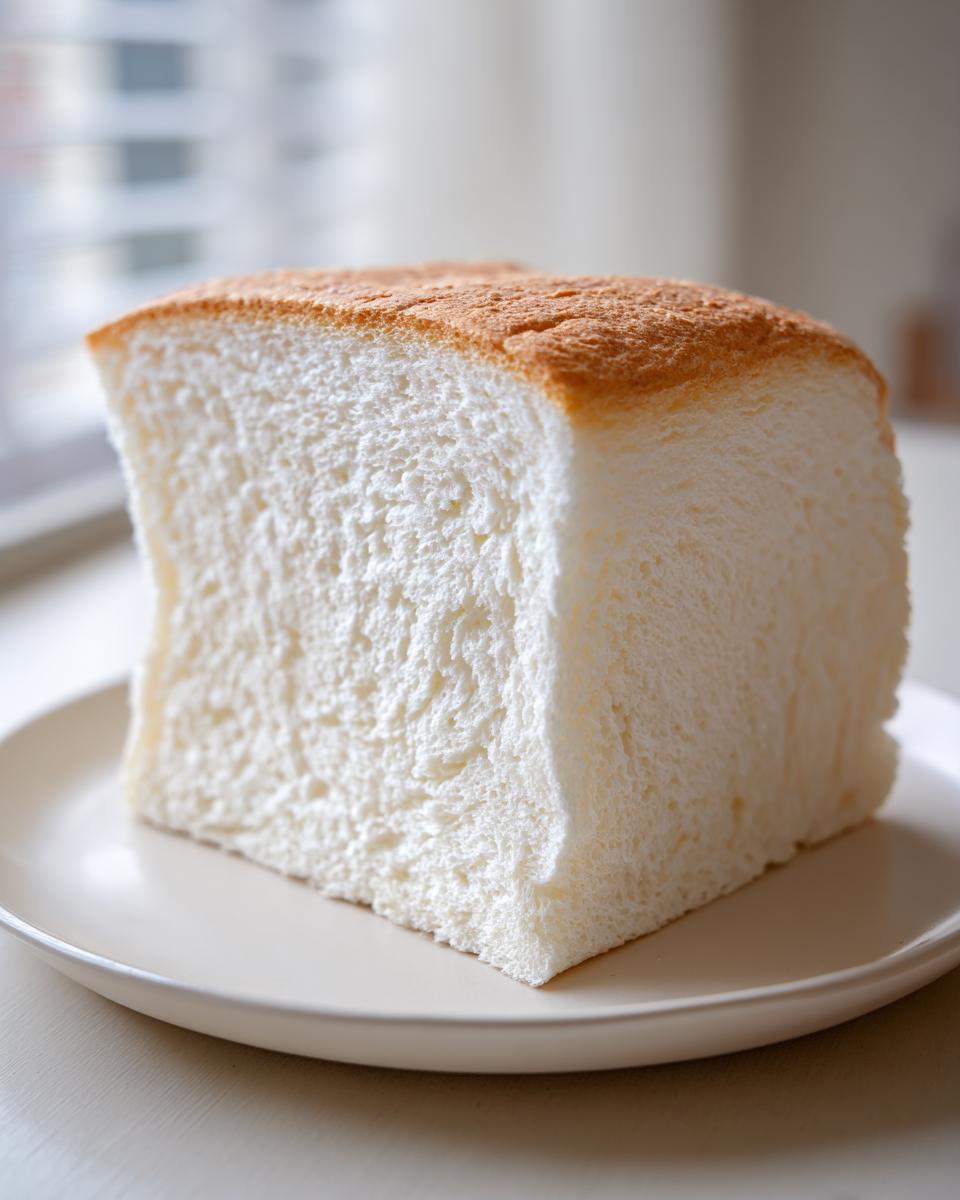
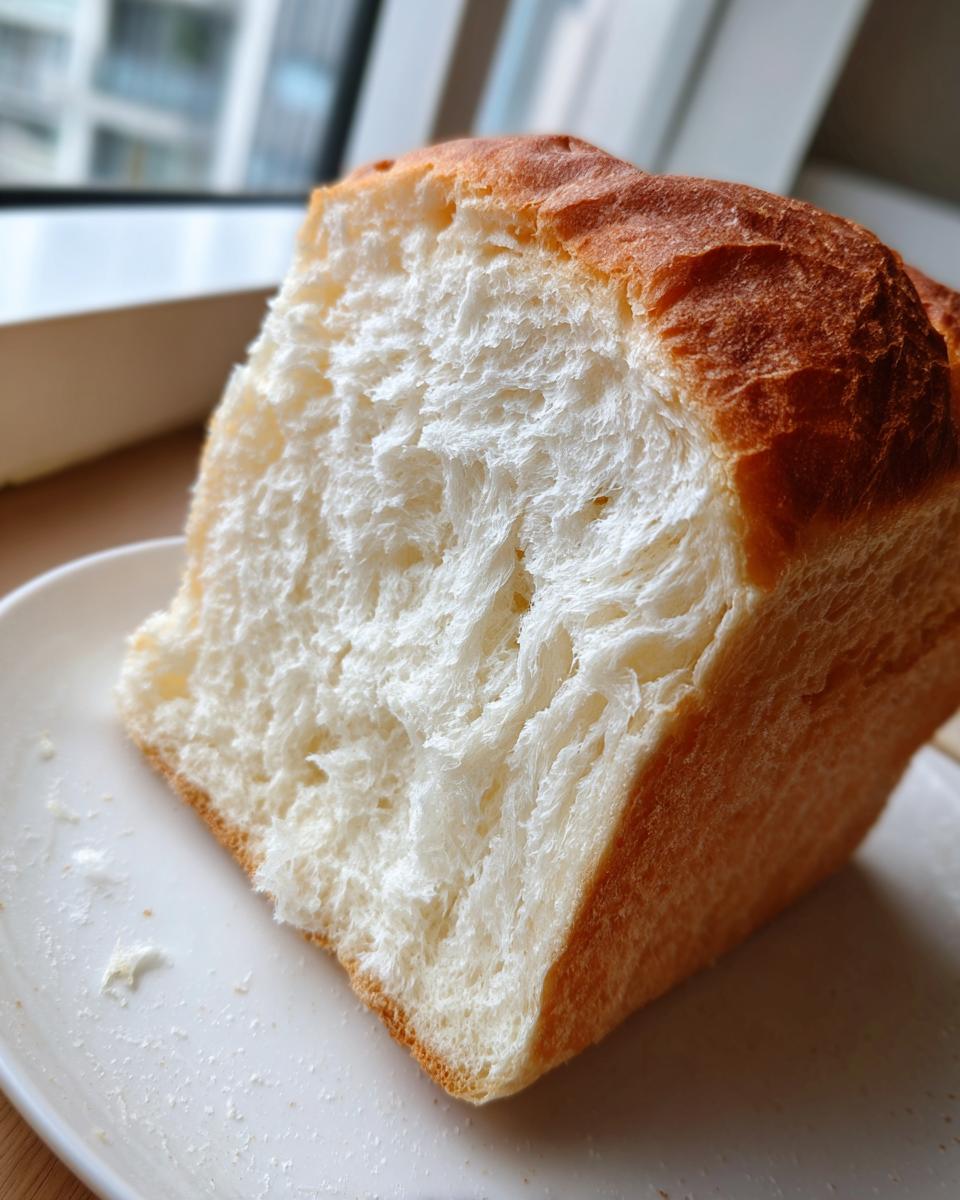
When you bite into a slice of true japanese milk bread, you instantly know it’s different. It’s not just the creaminess from the milk; it’s that incredible, pull-apart, cloud-like texture that just won’t quit being soft, even days later. Unlike plain white bread, this recipe uses a special step that unlocks superior moisture retention and that signature fluffiness.
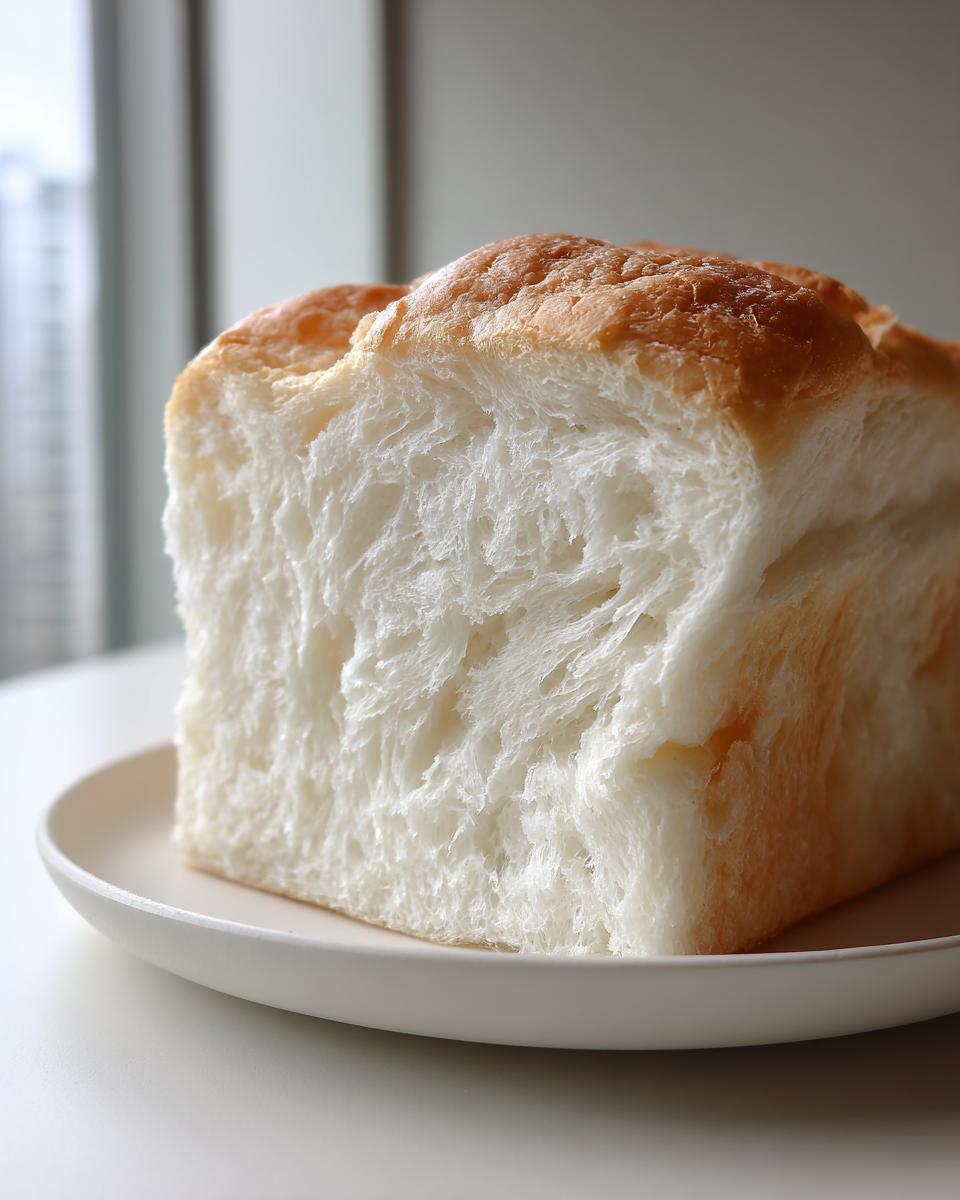
This technique makes all the difference between good homemade bread and bakery-level perfection. You don’t need to worry about complex fermentation; you just need to trust this one simple paste. For more insight into this amazing process, you can read about the Tangzhong method, but I’ll break down my version right here!
The Magic of the Tangzhong Method Bread
So, what exactly is Tangzhong? It’s just a fancy name for a simple water roux. We cook a small portion of the flour and milk together until it turns into a thick, shiny paste. This sounds fussy, I know, but it’s crucial! This paste gelatinizes the starches in the wheat. What that means for you is that the dough can hold onto way more moisture than rice or regular flour can alone. That’s the secret sauce that gives our japanese milk bread that bouncy, never-stale texture.
Tips for a Foolproof Japanese Milk Bread Recipe
Don’t let the Tangzhong scare you off. If you follow these couple of rules, you’ll nail it:
- Always use bread flour! It has higher protein and gives you the structure to handle all that moisture without collapsing.
- When activating your yeast, don’t guess with the temperature—aim for lukewarm. Too hot, and you kill the yeast right away.
- Take your time when kneading. This bread needs that smooth, elastic dough to achieve that gorgeous shreddable crumb.
Gathering Ingredients for Your Soft Fluffy Bread
Okay, let’s talk ingredients! Since we are relying on that Tangzhong magic, we have to be precise with what we put into the dough, especially for this japanese milk bread recipe. Don’t go substituting things willy-nilly, or that cloud feeling might just float away! Pay close attention to my notes for the butter and the milk, because they are split up for a reason. If you ever need ideas for simple holiday sides to go with your amazing bread, check out my cranberry sauce recipe.
Ingredient Specifics for Japanese Milk Bread
Here is exactly what you need for one truly magnificent loaf:
- For the Tangzhong Paste: 1/4 cup Milk, 1 tablespoon Granulated Sugar, and 2 tablespoons All-Purpose Flour.
- For the Main Dough: 1/4 cup Milk (this is for activating the yeast and mixing!), 1 large Egg, 1 1/2 teaspoons Active Dry Yeast.
- The Dry Stuff: 2 1/3 cups Bread Flour and 1 teaspoon Salt.
- The Richness: 4 tablespoons Unsalted Butter, softened. Make sure it’s proper butter; margarine just won’t cut it for this soft fluffy bread!
Step-by-Step Instructions for Homemade Japanese Milk Bread
Alright, let’s get baking! Making this japanese milk bread is totally hands-on, but honestly, the steps flow together so nicely once you get going. If you want bread that’s truly fluffy, you have to follow the order, especially with the Tangzhong. I highly recommend using a stand mixer for the kneading part because this dough needs some serious love, but you absolutely can do it by hand if you want the workout! If you’re looking for other amazing bakes, my guide to soft, pillowy dinner rolls uses similar techniques!
Creating the Tangzhong Paste
This is where we start, remember Step 1? Grab your small saucepan and dump in the measured milk, sugar, and flour meant for the paste. Now, you cook this over low heat. We aren’t scrambling eggs here, so keep that heat down! Stir constantly. Seriously, don’t walk away! You’ll notice it suddenly thickens up into this thick, shiny paste. That beautiful goo is the key! Once it looks smooth, pull it off the heat right away. Put that paste somewhere cool and let it chill completely before we even think about adding it to the rest of the dough. It needs to be totally cool.
Mixing, Kneading, and the First Rise for Your Pillowy Soft Loaf
Time to wake up that yeast! Combine your yeast with lukewarm milk (think a comfortable shower temperature, around 105°F) and let it get foamy—that tells you it’s alive and ready to work. In your big mixer bowl, you’ll combine your flour, the salt, the cooled Tangzhong, and that bubbly yeast mixture. Mix on low until it gets shaggy. Then, pop in the egg. Let it mix for about five minutes on low. Now, add that softened butter in little bits, letting each piece incorporate before adding the next. Once all the butter is in, crank it up to medium-low and knead for about 10 to 15 minutes until you can stretch a small piece thin enough to see light through it—that’s the windowpane test! Pop the dough into an oiled bowl, cover it up, and let it double in size. That usually takes an hour, maybe an hour and a half if your kitchen is chilly.
Shaping and Baking the Japanese Milk Bread
Gently deflate that beautiful dough, divide it into three equal piles, and roll each one into a tight little log. Line your 9×5 loaf pan (use parchment paper slings if you like to be safe!) and carefully place your three logs side-by-side. Cover it loosely and let it puff up again until it’s nearly touching the top rim of the pan—usually 45 minutes. Preheat the oven to 350°F (175°C). Before it goes in, brush the top with a little milk for that gorgeous shiny crust. Bake for 30 to 35 minutes. The ultimate test? Stick a thermometer in the middle; we want 200°F. For the best results, make sure to check out this guide on making amazing Shokupan.
Versatility: Using Your Japanese Milk Bread for Sandwiches and Rolls
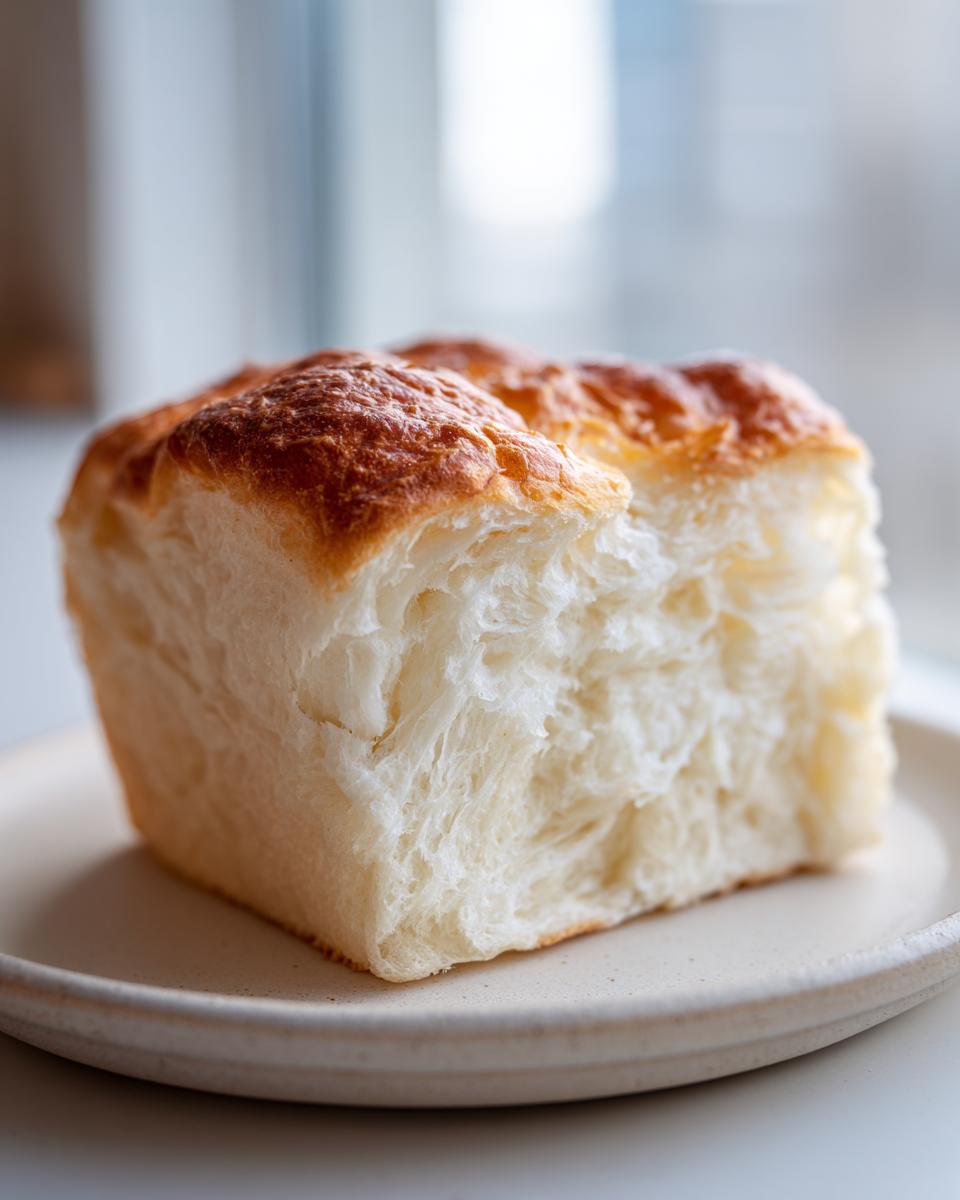
Now, just because we baked this gorgeous japanese milk bread in a loaf pan doesn’t mean you have to eat it that way! Honestly, this dough is magical because it’s so incredibly versatile. That incredible softness? It shines through no matter how you shape it. If you want to make super thin, delicate sandwiches where the filling doesn’t get lost, slice this loaf thin. It makes the very best egg salad sandwiches, hands down!
But wait, you can use this right before the second rise to make other wonders! Want the puffiest, softest dinner rolls on the planet for your next gathering? Just divide that dough into 12 or 16 equal pieces instead of three logs. Roll them into neat little balls and tuck them snugly into a greased pan. Let them rise till puffy and bake them off. They are perfect for soaking up gravy or just eating plain warm from the oven. If you’re itching to try something sweet, you could even use this base for my favorite gooey cinnamon buns—check out that recipe for shaping inspiration!
For savory twists, consider stuffing those rolls before baking, or look up how people make those amazing garlic rolls, like the ones mentioned over at Modern Honey—it adapts beautifully!
Tips for Achieving Bakery Style Bread at Home
You’ve done the hard work, now let’s protect that beautifully fluffy interior! Getting that true bakery look and feel for this wonderful japanese milk bread means paying attention right at the very end. It’s like putting the perfect polish on something already fantastic.
First thing: pan prep for our homemade japanese bread. Don’t skimp here! I always use shortening or butter smeared everywhere, then I dust lightly with flour. If you have one of those quick-release pan liners, use it! This sticky, rich dough loves to cling, and we need every ounce of that pillowy crumb to stay intact.
The biggest “insider trick” I learned? As soon as you pull the loaf out of the oven—and I mean *immediately*—you have to turn it out onto a wire rack. If you leave it in that hot metal pan, the bottom steam gets trapped, and suddenly your glorious loaf has a soggy bottom, which is the opposite of moist homemade bread!
If you need a quick trick for cookie icing later, check out my recipe for sugar cookie icing, but for bread, keep it simple and cool it fast!
Storage & Reheating Instructions for Japanese Milk Bread
This is one of those wonderful joys of baking with Tangzhong: this japanese milk bread stays soft for days! Seriously, unlike standard loaves that get stale overnight, you can expect this to be tender for at least three, sometimes four days if you treat it right. The key is protecting that moisture we worked so hard to trap inside!
My biggest rule? Do not, under any circumstances, put this bread in the refrigerator! It sounds crazy, I know, but cold temperatures make the starches retrograde faster, and your lovely, cloud soft bread will turn tough and dry in hours. We don’t want that for our pillowy soft loaf.
For short-term storage (1–3 days), once the loaf is completely cool—and I mean totally cool—wrap it really tightly in plastic wrap. I usually do a tight layer of plastic, and then maybe another layer of foil or put it in a zip-top bag. The goal is to keep the air out so it stays snug and moist.
If you know you won’t eat the whole thing quickly, slice what you think you’ll eat over the next day or two, and freeze the rest! Bread freezes beautifully, especially this rich recipe. Wrap the loaf or the individual slices tightly, pop them in a freezer bag, and they’re good for up to two months. When you want a slice, just pop it straight into the toaster!
If you are reheating a whole loaf that’s firmed up just a tiny bit (but wasn’t refrigerated!), wrap it loosely in foil and warm it in a 300°F oven for about ten minutes. It will come right back to its pillowy self. If you’re just toasting slices, you’ll get that incredible texture right away. Don’t forget to check out my recipe for maple brown sugar cookies if you’re looking for another cozy bake!
If you want to see another amazing take on keeping Tangzhong bread fresh, take a peek at how they handle it over at The Bakeanista.
Frequently Asked Questions About Japanese Milk Bread
I know you might have some questions swirling around after seeing how magical this japanese milk bread dough is! It’s normal to wonder if you can skip a step, especially since bread baking can feel a little intimidating at first. But don’t worry, I have the answers to make sure your journey to fluffy dinner rolls or the perfect loaf is a happy one. I’ve included all my favorite pointers below to help create that perfect cloud soft bread.
Can I use the Yudane Bread Technique instead of Tangzhong for this Japanese Milk Bread Recipe?
That’s a fantastic question! Both Tangzhong (the water roux we used) and Yudane (a hot water method) do a similar job: they pre-gelatinize the flour to lock in softness. They are close cousins! However, my recipe specifically calls for the Tangzhong because I find it gives a slightly more tender, almost ethereal texture—that *perfect* pillowy feel we are chasing here. While Yudane is wonderful for a slightly chewier, yet still soft loaf, sticking to the Tangzhong recipe guarantees you get the exact result you see in the pictures!
What makes this bread softer than regular homemade bread?
It all comes back to hydration and the magic paste! A standard loaf just can’t absorb as much liquid as this dough can. Because we cook a portion of the flour and milk into that Tangzhong first, the dough can handle way more liquid without feeling sloppy. That extra moisture—combined with all that lovely milk and butter—is what keeps the crumb incredibly soft and moist for days. You end up with that famous result: true cloud soft bread that practically melts when you eat it. If you’re curious about other simple, reliable baking techniques, check out my recipe for stovetop apple pie filling!
To see a fantastic example of how others handle this method, check out the notes on Just One Cookbook for some great context on Shokupan basics.
Nutritional Estimates for Your Homemade Japanese Milk Bread
Now, nobody bakes this japanese milk bread because they are counting every calorie—we bake it for the pure joy of that pillowy texture! But, because I believe in transparency, here are the general estimates for one slice of this ridiculously soft bread. Remember, these numbers are just ballpark figures based on the ingredients I used, so if you use different brands or adjust the sugar, your numbers might shift a bit. If you’re looking for another treat that’s a bit easier on the count, you might love my recipe for easy puff pastry apple strudel!
- Serving Size: 1 slice
- Calories: 180
- Sugar: 5g
- Fat: 5g (3g Saturated)
- Carbohydrates: 28g
- Protein: 5g
It’s a rich treat, packed with the goodness of milk and butter that makes it so fantastic for a weekend breakfast!
Share Your Cloud Soft Bread Creations
Wow, you did it! You conquered the Tangzhong method and brought that incredible, cloud-like softness right into your own kitchen. I am so incredibly proud of you for tackling this japanese milk bread recipe. I truly believe that the best baking knowledge comes from trying things out, and now you know the secret to super soft, fluffy bread that lasts!
So, what happened? Did the dough feel like silk when you kneaded it? Did you manage to get that perfect tall rise in your loaf pan? I absolutely love hearing all about your baking adventures! Please, don’t be shy—head down to the comments section below and let me know how your first loaf of shokupan turned out. I read every single comment, and I might even have a few more tips tucked away if you ran into any snags!
And if you managed to take a picture of that beautiful, tall, golden loaf, or better yet, a picture of you tearing into a slice and showing off that amazing shreddable crumb, please tag me on social media! Seeing your kitchen transform into a fluffy bread paradise is truly the best part of my day here at Mia’s Meals. Keep baking, keep connecting, and if you want another incredibly moist and tender treat soon, you should absolutely try my recipe for the best moist red velvet cake!
PrintAuthentic Japanese Milk Bread (Shokupan) using the Tangzhong Method
Make incredibly soft, fluffy Japanese Milk Bread, or Shokupan, using the Tangzhong method. This recipe delivers a cloud-like texture that stays moist for days, perfect for sandwiches or toast.
- Prep Time: 30 min
- Cook Time: 35 min
- Total Time: 2 hr 35 min
- Yield: 1 loaf 1x
- Category: Baking
- Method: Baking
- Cuisine: Japanese
- Diet: Vegetarian
Ingredients
- 1/4 cup Milk
- 1 tablespoon Granulated Sugar
- 2 tablespoons All-Purpose Flour
- 1/4 cup Milk (for dough)
- 1 large Egg
- 1 1/2 teaspoons Active Dry Yeast
- 2 1/3 cups Bread Flour
- 1 teaspoon Salt
- 4 tablespoons Unsalted Butter, softened
Instructions
- Prepare the Tangzhong: Combine 1/4 cup milk, 1 tablespoon sugar, and 2 tablespoons flour in a small saucepan. Cook over low heat, stirring constantly, until the mixture thickens into a paste. Remove from heat and let it cool completely.
- Activate the Yeast: In a small bowl, combine 1/4 cup milk (lukewarm, about 105°F) and the yeast. Let it sit for 5 to 10 minutes until foamy.
- Mix the Dough: In a large bowl or stand mixer bowl, combine the bread flour, salt, the cooled Tangzhong, and the yeast mixture. Mix on low speed until a shaggy dough forms.
- Add Egg and Butter: Add the egg and continue mixing on low speed for 5 minutes. Add the softened butter, one piece at a time, mixing until fully incorporated.
- Knead: Increase the mixer speed to medium-low and knead for 10 to 15 minutes until the dough is smooth, elastic, and passes the windowpane test. If kneading by hand, knead for 15 to 20 minutes.
- First Rise: Place the dough in a lightly oiled bowl, turning to coat. Cover and let it rise in a warm place until doubled in size, about 1 to 1.5 hours.
- Shape the Loaf: Gently punch down the dough. Divide it into three equal pieces. Roll each piece into a tight log. Place the three logs side-by-side in a greased 9×5 inch loaf pan.
- Second Rise: Cover the loaf pan loosely and let the dough rise again in a warm spot until it has nearly doubled and crests about 1 inch above the rim of the pan, about 45 to 60 minutes.
- Bake: Preheat your oven to 350°F (175°C). Brush the top of the dough lightly with milk for a golden crust. Bake for 30 to 35 minutes, or until the top is deep golden brown and the internal temperature reaches 200°F (93°C).
- Cool: Immediately remove the bread from the pan and cool completely on a wire rack before slicing. This bread is best enjoyed the day it is baked.
Notes
- The Tangzhong method is the secret to achieving that signature cloud-soft, pillowy texture in your Japanese Milk Bread.
- Use bread flour for the best structure and rise in this recipe.
- For a beautiful, tall Pullman loaf look, ensure the dough fills the pan well before the second rise.
Nutrition
- Serving Size: 1 slice
- Calories: 180
- Sugar: 5
- Sodium: 150
- Fat: 5
- Saturated Fat: 3
- Unsaturated Fat: 2
- Trans Fat: 0
- Carbohydrates: 28
- Fiber: 1
- Protein: 5
- Cholesterol: 30