
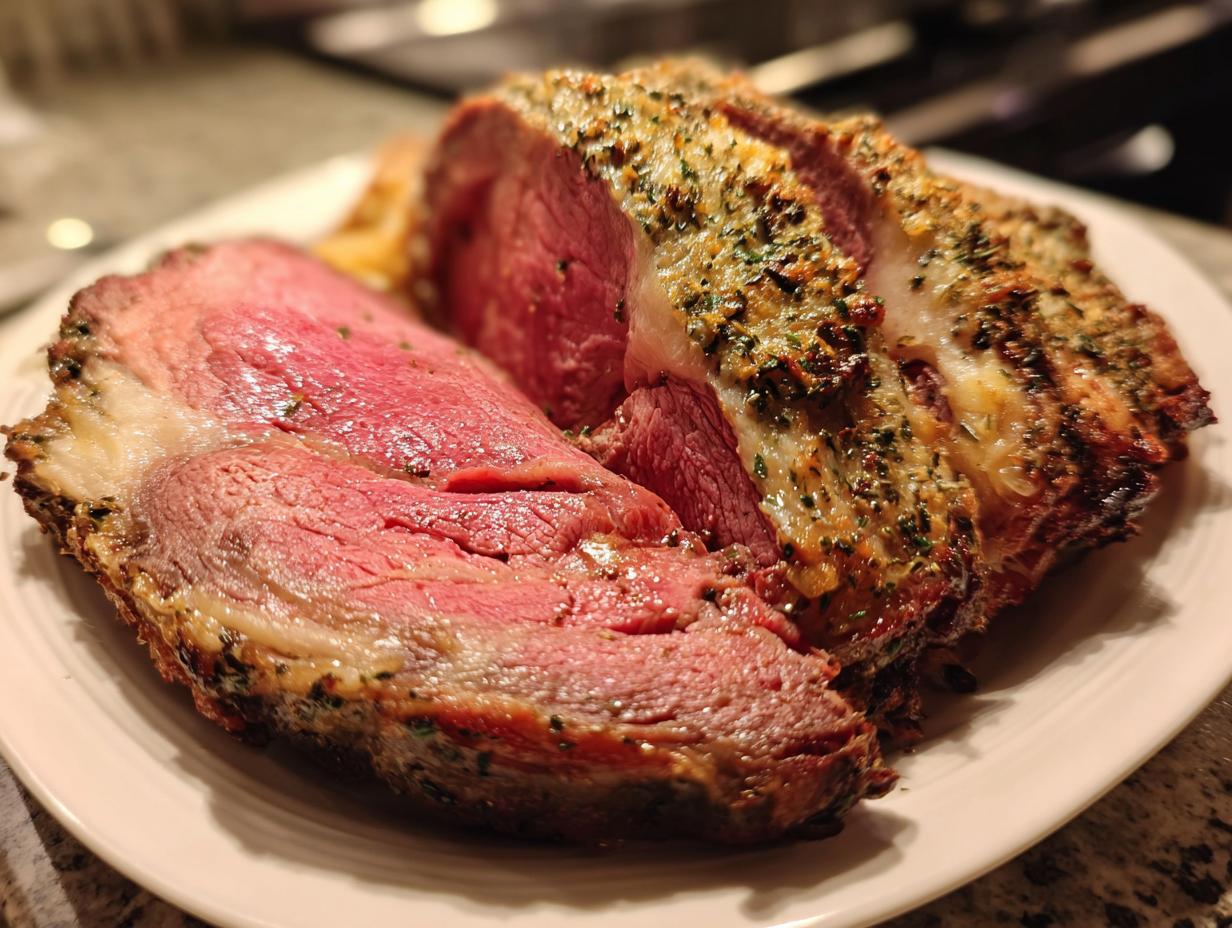
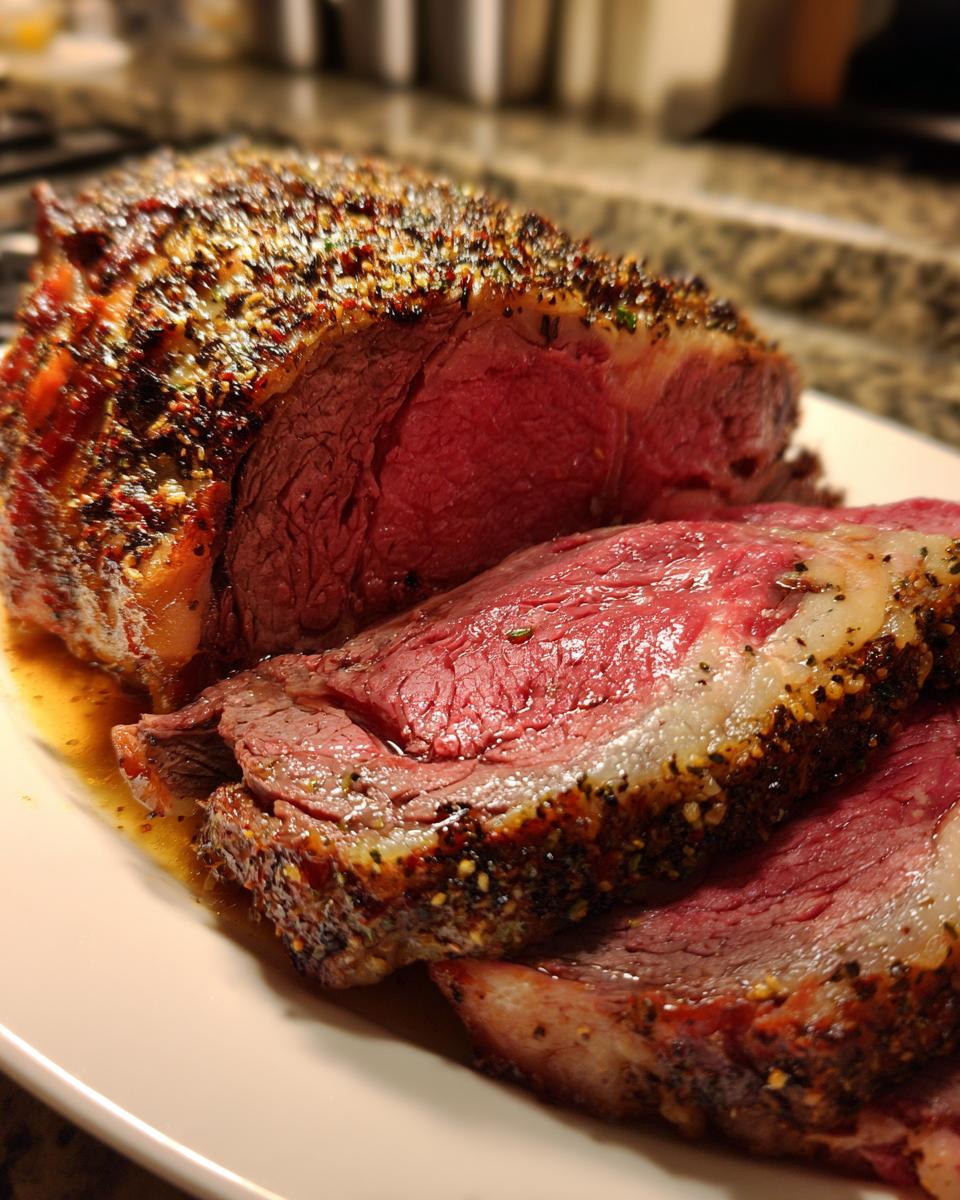
There’s just something about carving that centerpiece—that gorgeous, crusty, perfectly pink slice of beef—that screams “special occasion” at our house. For me, honoring tradition doesn’t mean sticking to complicated, fuss-filled methods; it means simplifying classics so we can actually enjoy the moment! That’s exactly why I wanted to share The Ultimate Foolproof Oven-Roasted Prime Rib with Garlic Herb Crust. Forget worrying about getting your rib roast dry. My goal, just like when I started Mia’s Meals, is to give you dependable results. This method ensures you get that amazing texture you usually only find at the best steakhouses, right here in your busy home.
- Why This Herb Crusted rib roast Recipe Guarantees a Juicy Prime Rib
- Gathering Ingredients for Your Perfect rib roast
- Step-by-Step Instructions: How to Cook the Ultimate rib roast
- The Critical Resting Period for Your rib roast
- Serving Suggestions: Pairing Sides with Your rib roast
- Storage and Reheating Instructions for Leftover rib roast
- Frequently Asked Questions About Cooking a Standing rib roast
- Estimated Nutritional Data for This rib roast Recipe
- Share Your Perfect rib roast Experience
Why This Herb Crusted rib roast Recipe Guarantees a Juicy Prime Rib
Okay, let’s talk about why this herb crusted rib roast is my go-to for every big celebration. The secret to a truly juicy prime rib isn’t luck; it’s about controlling the temperature, which is why I’m obsessed with this two-step process. Letting the meat come up to room temperature first—don’t skip that—ensures even cooking from edge to edge. Then, that initial blast of high heat gives you that gorgeous, deeply seasoned crust while locking in all those wonderful beef flavors.
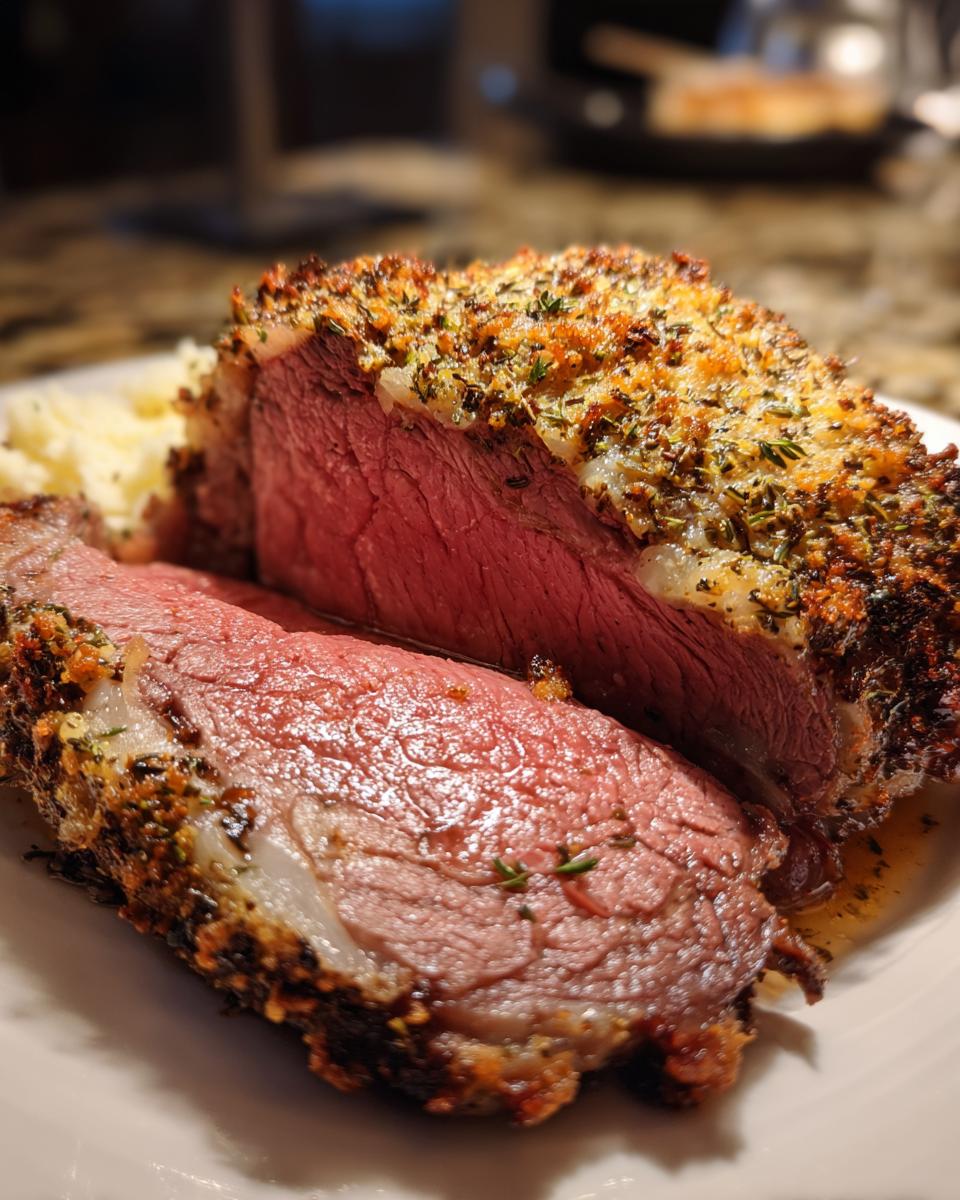
Following my mother’s advice, this method beats trying to guess for hours. It’s designed to be reliable so you can enjoy your own party! If you’re looking for a tried-and-true approach, you can see how this aligns with other foolproof methods, even if you’re used to something totally different like making classic cheese fondue. We’re building flavor and tenderness here, not stress, and definitely not the fuss of needing a backup main! If you’re looking for that dependable approach, you can see how this aligns with other foolproof methods like the one I admire over at One Good Thing by Jillee.
Bone-In vs. Boneless rib roast: Making Your Choice
When you shop for roast beef, you’ll see both types, and honestly, both are great if you know what you want. For the ultimate flavor and insulation, go for the bone-in cut—that’s what we call a true standing rib roast. The bones act like little thermal shields, helping insulate the meat near the edge.
However, if easier carving is your main goal, boneless is your friend! Just remember that boneless cuts can sometimes cook a tiny bit faster overall. Either way, that garlic herb rub sticks beautifully!
Gathering Ingredients for Your Perfect rib roast
A showstopper like this deserves the best starting materials, right? In my philosophy of making classics dependable, the ingredients list is short, sweet, and critical. We aren’t using a million add-ins because the beef needs to shine! This recipe lets a quality ribeye roast recipe cut truly take center stage. Trust me, when you only have this many ingredients, you want every single one to be top-notch. I’ve included the key components below, inspired by my mother’s focus on wholesome simplicity, perfect for your next dinner roll pairing.
- 1 (5-7 pound) bone-in prime rib roast (standing rib roast)
- 3 tablespoons coarse kosher salt
- 2 tablespoons black pepper
- 1 tablespoon dried thyme
- 1 tablespoon dried rosemary
- 6 cloves garlic, minced
- 1/4 cup olive oil
- 1 tablespoon Dijon mustard
- 1 teaspoon Worcestershire sauce
Ingredient Notes and Substitutions for the Garlic Herb Crust
Since we’re keeping it simple, the quality really matters here. Please use coarse kosher salt; the fine table salt packs down too hard and makes it too salty! Also, if you have fresh rosemary and thyme, go ahead and use them—just double the amount since dried herbs are more concentrated. For the olive oil, use a good, plain one; you don’t need fancy finishing oil here since it’s going into the heat. When you go to pick out your roast, look for a good piece with nice marbling. That fat is crucial for flavor in any great ribeye roast recipe!
Step-by-Step Instructions: How to Cook the Ultimate rib roast
If you want that unbelievable, mouth-watering slice of tender roast beef, this is where the magic really happens. Forget the mythology—this is straight-up dependable science mixed with great flavor. The first, most important step for that perfect outer crust and even cooking? Get that meat out of the fridge about three to four hours before you plan to cook it. It needs to relax and warm up just a touch so the inside cooks evenly. Trust me, pulling a cold roast from the fridge into a hot oven is how you end up with a weird temperature band inside!
Once it’s warmed up, we get to work prepping! You absolutely must pat the entire surface dry with paper towels—we need dry meat for a good sear. Then, rub down that whole piece with the wet garlic/mustard mixture. This helps the dry seasoning stick. Finally, you firmly press that herb and salt rub all over it. It should look richly colored and ready for its close-up. Get it onto the rack in your roasting pan and then we crank that heat! While that beauty is resting, you’ll want to get your sides going, maybe even whipping up some slow cooker mashed potatoes so you aren’t scrambling later.
Mastering the High-Heat Sear for Your oven roasted rib roast
Preheat your oven to a screaming 500 degrees Fahrenheit! This initial blast is critical for getting that amazing exterior crust on your oven roasted rib roast. We follow a very specific timing here: 15 minutes per pound of meat. It goes in at 500°F for exactly that long, no peeking! This high temperature jump-starts the browning process beautifully. Once those 15 minutes per pound are up, resist the urge to open the door, and immediately drop the temperature down to 325°F. That’s the real trick!
Achieving Perfect Doneness: The Prime rib cooking time Chart
Now that the temperature is down to a steady 325°F, you rely on your meat thermometer, not just the clock. This is where having a reliable roast temperature guide saves your holiday! We want that absolute perfect center for the best prime rib roast, which means removing it slightly before it hits your target temperature because it keeps cooking while it rests. For that juicy, pink middle (our recommendation!), pull the roast when the thermometer reads 125°F.
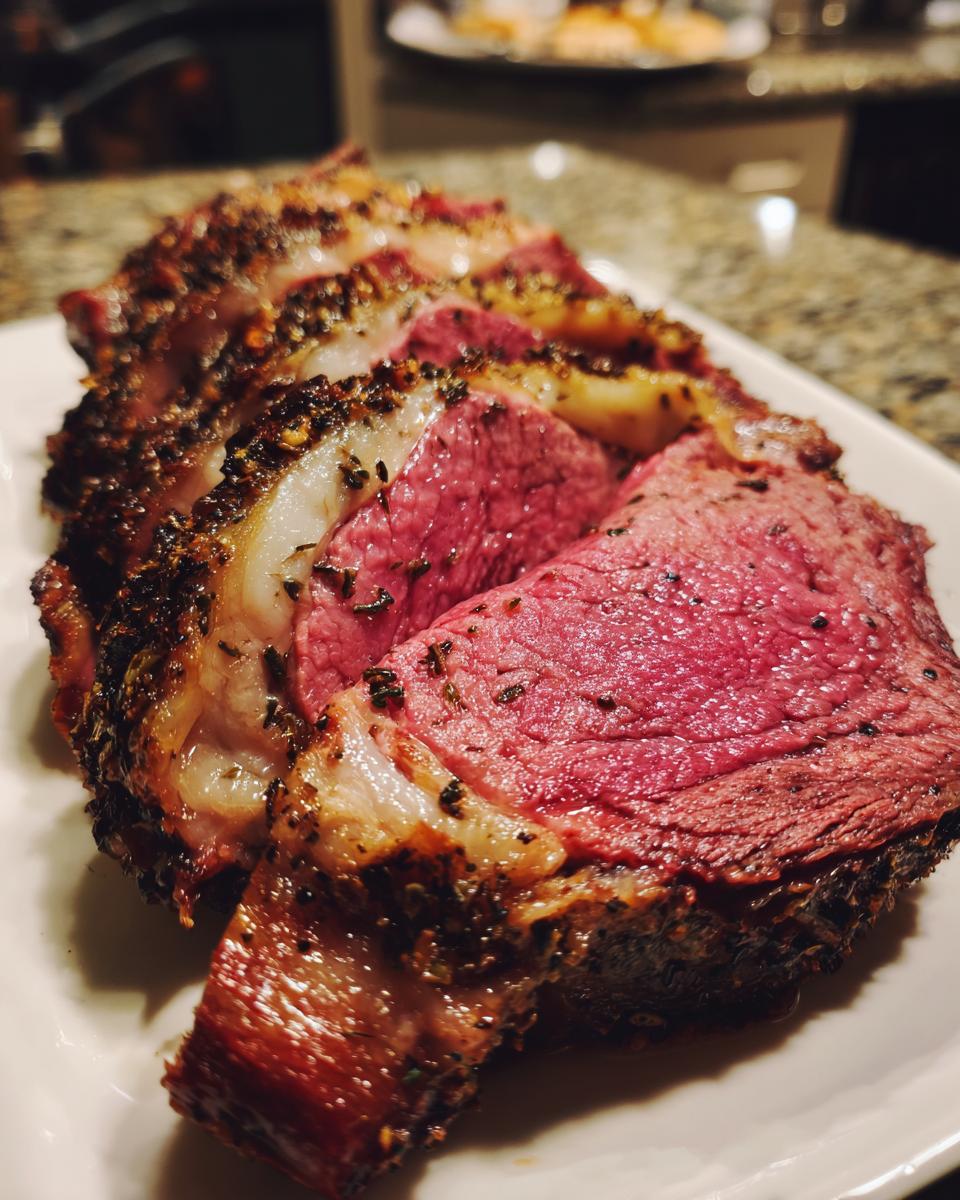
If you wait until it hits 130°F in the oven, you’ll still be happy, but 125°F removal is what gets you that melt-in-your-mouth texture every single time. Always use a good thermometer; it’s the only way to take the guesswork out of this centerpiece!
Once it comes out, don’t touch it! You need to tent it loosely with foil and let it rest for a full 20 minutes. This resting time is non-negotiable for a truly juicy prime rib. You can check out this great guide on how to cook a standing rib roast for extra confidence during this stage!
The Critical Resting Period for Your rib roast
Now, I know you’re staring at that gorgeous, crusty roast and you want to carve it immediately, but please, please listen to me on this one step. If you skip resting, you’re basically guaranteeing a drier slice, and that breaks my heart!
Because the heat inside the meat keeps moving upward even after it leaves the oven, this is called carryover cooking. That gorgeous prime rib will rise another 5 to 10 degrees while it rests under foil. You must, must, must let it sit undisturbed for a minimum of 20 minutes. That rest allows the juices, which have been pushed to the center by the heat, to redistribute throughout the meat. This is the true guarantee for your juicy prime rib!
Serving Suggestions: Pairing Sides with Your rib roast
After all that amazing work to get the oven roasted rib roast perfectly done, you can’t just throw any old side dish next to it, can you? This is a showstopper, a true centerpiece for your Christmas dinner main course, so it deserves amazing company!
The first thing you absolutely have to do is make a simple gravy or roast with au jus right in that roasting pan. Don’t waste those flavorful drippings! Just skim off the majority of the fat, then add some beef broth and simmer it down a bit. It makes everything taste richer, guaranteed.
When I’m planning my plate, I love classic comfort, but I try to keep things that don’t require last-minute oven time since the roast takes up so much space. This is why I rely on recipes that let you use another appliance or can be made ahead!
For example, a hearty dressing or stuffing is a must-have, which is why I always turn to my sausage stuffing recipe when I want something really robust that complements the beef so well.
And you absolutely need potatoes, right? Skip the fuss of keeping mashed potatoes warm for an hour. I prefer making twice-baked potatoes ahead of time, stuffing them back into the skins, and just warming them in a low oven while the roast rests. The cheesy bacon always gets devoured first!
Keep the greens simple—maybe some roasted asparagus tossed with olive oil and lemon zest tossed right before serving. It adds that pop of color and brightness that keeps a heavy meal from feeling too heavy!
Storage and Reheating Instructions for Leftover rib roast
The best part about cooking such a massive rib roast? Having incredible leftovers for days! But if you want that roast beef to still be tender tomorrow, you have to store it right. The very first thing you should do after resting is slice whatever you plan on eating immediately. Always slice thinly against the grain; that helps prevent the remaining roast from drying out.
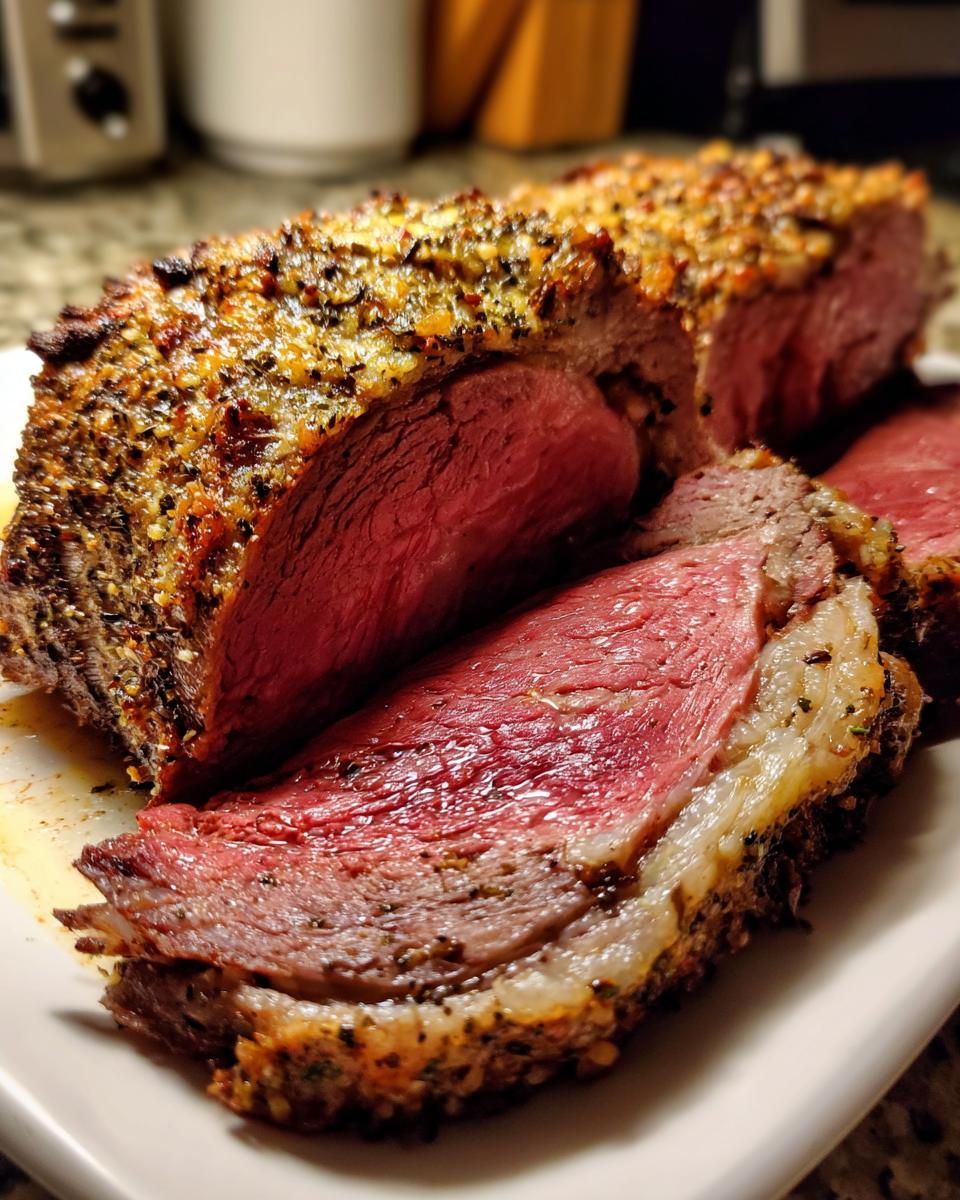
Pop your slices into an airtight container and keep it refrigerated for up to four days. When it’s time to reheat, forget the microwave! That’s a fast route to tough meat. I recommend placing the slices in a baking dish, adding a tiny splash of beef broth or even leftover au jus, covering it tightly with foil, and warming it gently in a 300°F oven until just heated through. It’s like making a wonderful, impromptu comfort meal, almost like a spin on my old-fashioned soup, but beefy!
Frequently Asked Questions About Cooking a Standing rib roast
I get so many questions about this majestic cut of beef every year leading up to the holidays, which just proves how many people want to master the standing rib roast! Don’t sweat it if you’re nervous; that’s why I put this whole foolproof method together. Here are the little things people often ask me about when they are planning their big special occasion dinner.
Can I use the 500-degree method for a smaller rib roast?
Absolutely! That’s the beauty of using the “15 minutes per pound” rule for that initial sear. Whether you have a massive 9-pound roast or a smaller 4-pound cut intended for a smaller gathering, you just adjust that initial blast time based on the exact weight. It’s what makes this technique so reliable for everybody, regardless of how big or small your ribeye roast recipe needs to be this year!
What is the difference between a rib roast and a ribeye roast?
This trips people up all the time! For 99% of us cooking at home, there is essentially no difference. When you buy a rib roast, you’re buying a section cut from the primal rib section of the steer. If it’s left on the bone, it’s a standing rib roast. If that bone is removed, it’s often sold as a ribeye roast (because the meat itself is essentially a giant ribeye steak!). So, when you’re shopping, you can use those terms interchangeably for the recipes you see online, though I always recommend bone-in for the best flavor profile!
How do I ensure my herb crusted rib roast stays moist?
Moisture is the number one goal, right? It all comes down to three things we covered in the instructions. First, let the meat warm up before it hits the oven. Second, don’t skip that initial high-heat sear at 500°F to build the crust! And third, and this is crucial, you must pull the herb crusted rib roast based on internal temperature (125°F for medium-rare removal) and let it rest for those full 20 minutes underneath foil afterward. That resting time is non-negotiable for a perfect roast beef!
When you bring all these dependable steps together, you’ll see why this recipe is getting rave reviews—you can check out the results from others using tried-and-true oven methods over at Pure Savory! I hope your experience is just as sweet as the caramels I make after the big meal!
Estimated Nutritional Data for This rib roast Recipe
When you’re planning a big holiday roast recipe centerpiece, sometimes you want to know roughly what you’re working with nutritionally, even if we’re focusing mostly on flavor here! Remember, because the quality of the beef cut can vary so much—depending on how much fat you trim or how large that beautiful bone in prime rib truly is—these numbers are just my best estimate.
This is based on a 5-ounce cooked serving size, which is usually pretty generous when you’re serving up a big celebratory meal. I always use the recipe notes because they give us the best general guideline for what you’ll see on your plate.
- Serving Size: 5 oz cooked
- Calories: 380
- Sugar: 0
- Sodium: 450
- Fat: 28
- Saturated Fat: 11
- Unsaturated Fat: 17
- Trans Fat: 1
- Carbohydrates: 1
- Fiber: 0
- Protein: 32
- Cholesterol: 110
If you’re trying to keep things slightly lighter alongside your perfectly cooked roast, perhaps you can look at pairing it with something low-carb instead of heavy potatoes? I’ve found my easy protein muffins can sometimes make for a surprisingly good savory side if you cut back the sweet elements. Just a thought for your next special occasion dinner ideas!
Just know that these figures will change if you choose to heavily load it down with creamy sides or use a lot of drippings in your gravy, but the core beef roast itself is incredibly rich in protein!
Share Your Perfect rib roast Experience
Now that you’ve conquered the centerpiece and served up a truly spectacular perfect roast beef, I genuinely want to hear all about it! This is what Mia’s Meals is all about: taking those big, impressive meals meant for holidays and making them work for your busy family life so you can focus on connecting.
Did you use the high-heat sear? Did the herb crust come out gorgeous and brown? Please click that rating button down below and let me know how your first oven roasted rib roast turned out. Getting that juicy, tender result is what counts!
If you took a photo of that beautiful carving moment—you know, the one where everyone leans in to see the pink center—please share it on social media and tag me! Seeing your family gathered around a meal made using these simple, dependable instructions is the real reason I’m in the kitchen. It’s how we build new traditions one amazing dinner at a time.
If you’re curious about where all this philosophy of honest, simple cooking comes from, you can always pop over to my About Page to read more about my journey from the Midwest kitchen to modern meal planning. Happy cooking, friends!
PrintThe Ultimate Foolproof Oven-Roasted Prime Rib with Garlic Herb Crust
Make a tender, juicy standing rib roast for your special occasion. This recipe uses a simple garlic herb crust and a reliable oven method to achieve a perfect, steakhouse-style result every time.
- Prep Time: 20 min
- Cook Time: 15 min per pound + resting
- Total Time: 20 min + cooking time
- Yield: 6-8 servings 1x
- Category: Main Course
- Method: Oven Roasting
- Cuisine: American
- Diet: Low Fat
Ingredients
- 1 (5-7 pound) bone-in prime rib roast (standing rib roast)
- 3 tablespoons coarse kosher salt
- 2 tablespoons black pepper
- 1 tablespoon dried thyme
- 1 tablespoon dried rosemary
- 6 cloves garlic, minced
- 1/4 cup olive oil
- 1 tablespoon Dijon mustard
- 1 teaspoon Worcestershire sauce
Instructions
- Remove the prime rib roast from the refrigerator 3 to 4 hours before cooking to allow it to come to room temperature. This helps the roast cook evenly.
- Preheat your oven to 500 degrees Fahrenheit.
- Prepare the herb crust: In a small bowl, combine the minced garlic, olive oil, Dijon mustard, and Worcestershire sauce. Mix well.
- In a separate small bowl, mix the kosher salt, black pepper, dried thyme, and dried rosemary.
- Pat the entire surface of the roast dry with paper towels.
- Rub the entire roast generously with the garlic-oil mixture.
- Press the salt and herb mixture firmly onto all sides of the roast.
- Place the roast, fat side up, in a roasting pan fitted with a rack. If using a boneless roast, tie it with butcher’s twine every 2 inches to help it hold its shape.
- Place the roast in the preheated 500°F oven. Roast at this high temperature for exactly 15 minutes per pound of meat.
- After the initial high-heat roasting period, reduce the oven temperature to 325 degrees Fahrenheit without opening the door. Continue roasting until the internal temperature reaches your desired doneness (see notes for temperatures).
- For medium-rare (recommended for juicy prime rib), remove the roast when the internal temperature reads 125°F.
- Remove the roast from the oven. Tent it loosely with aluminum foil and let it rest for at least 20 minutes before slicing. The temperature will rise about 5 to 10 degrees during resting.
- Slice against the grain and serve immediately with pan drippings or au jus.
Notes
- For a perfect roast beef temperature guide: Remove from oven at 125°F for Medium-Rare (pink center), 130°F for Medium (slightly more done), or 140°F for Medium-Well (not recommended for tenderness).
- If you prefer a crispier crust, you can skip the initial high-heat blast and roast the entire time at 325°F, adjusting the total cooking time based on weight.
- To make a simple au jus, pour the drippings from the roasting pan into a saucepan. Skim off excess fat. Add beef broth and simmer until reduced slightly. Thicken with a cornstarch slurry if desired.
Nutrition
- Serving Size: 5 oz cooked
- Calories: 380
- Sugar: 0
- Sodium: 450
- Fat: 28
- Saturated Fat: 11
- Unsaturated Fat: 17
- Trans Fat: 1
- Carbohydrates: 1
- Fiber: 0
- Protein: 32
- Cholesterol: 110